





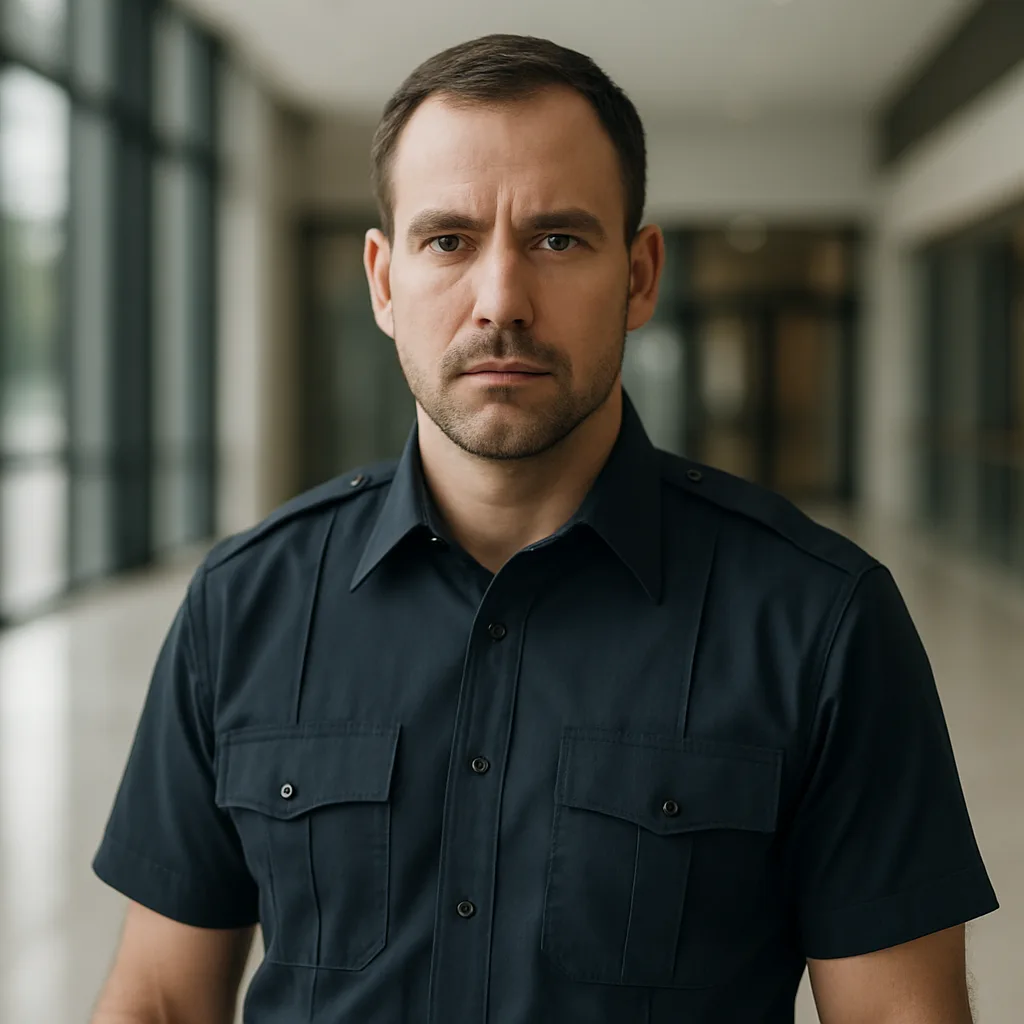




Thermal Base Layers
Thermal base layer tops and long johns that move sweat away and fit close. Why cotton chills you and how to size. Bulk supply, min. 100 pieces.
Products
Filter by subcategory; narrow down by season, feature and sector.
2 products
No products match this selection.
Remove a filter or clear them all.
/ products shown
About Thermal Base Layers
Mars Wear supplies thermal base layers for corporate orders from a minimum of 100 pieces; standard lead time is 15 working days.
MODELS
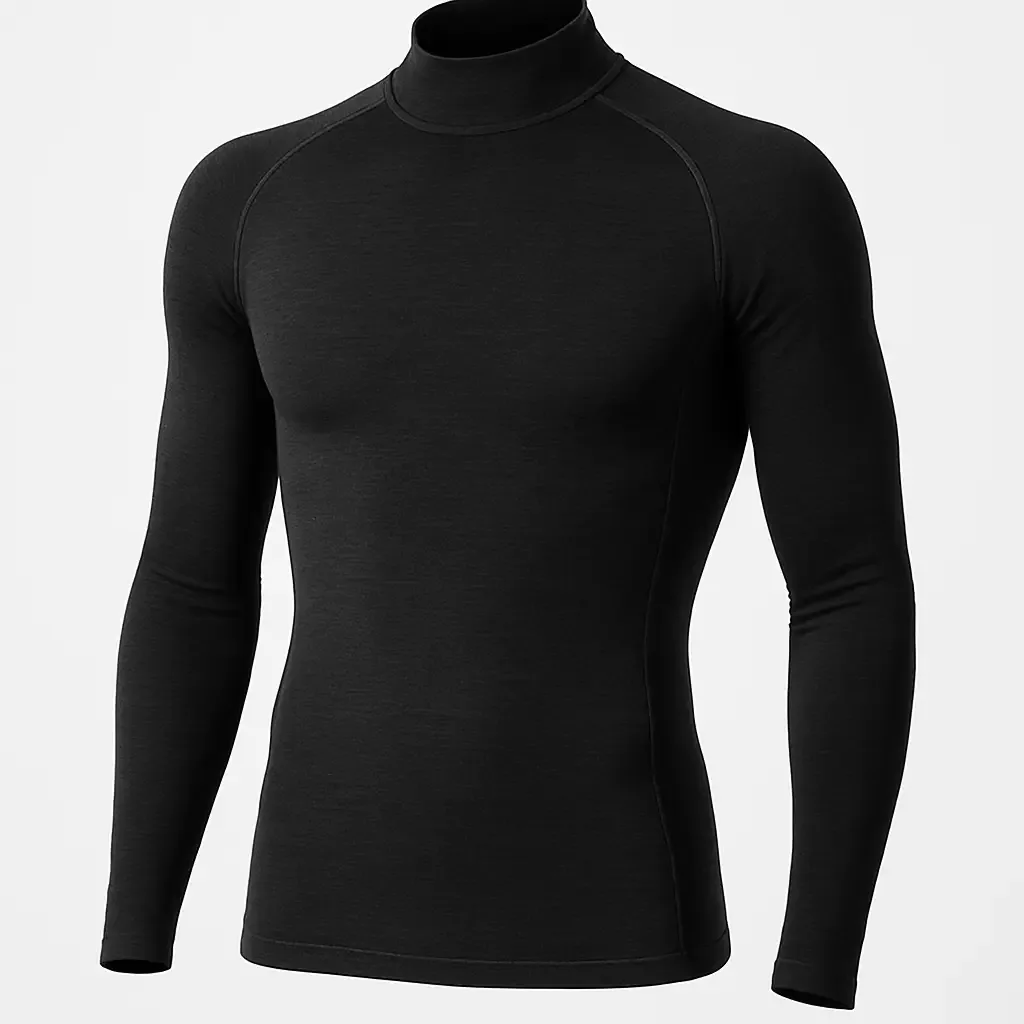
Thermal base layer top — a close-fitting base layer for the torso. It is the first layer under a jacket, fleece or sweatshirt.
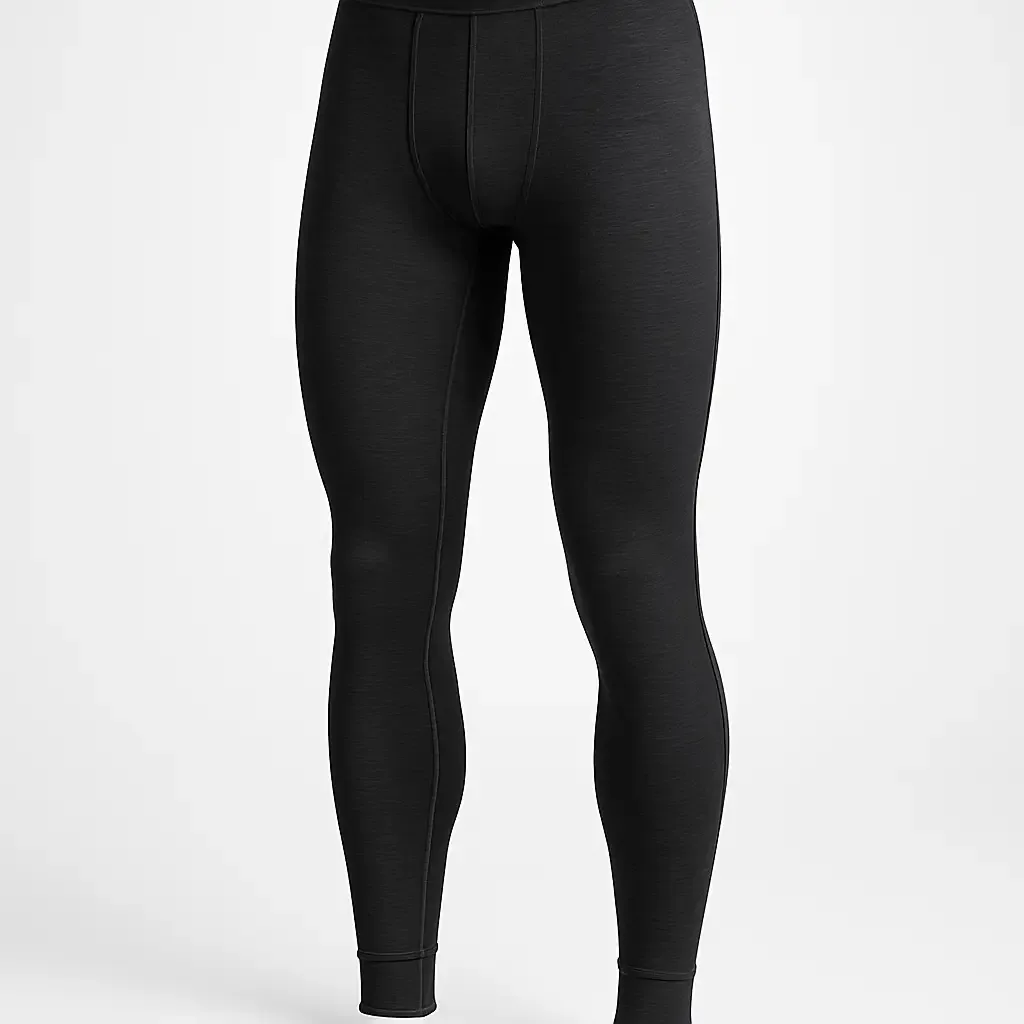
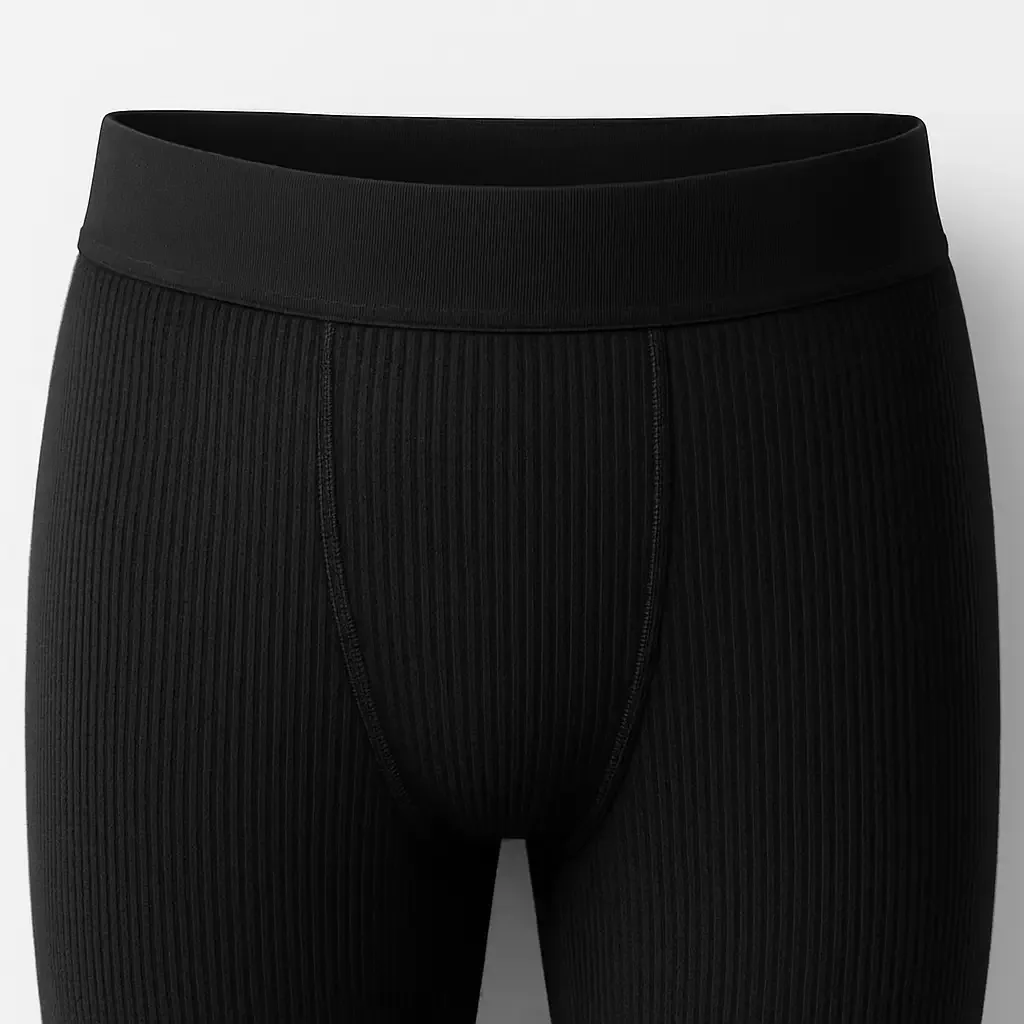
Thermal long johns — worn under work trousers without adding bulk; an alternative to buying thicker winter trousers.
When the top and bottom are planned in the same order, the whole team is equipped in one go; we collect the size breakdown separately for the two pieces.
WHICH TEAMS NEED THEM?
Thermal base layers make the biggest difference for teams who move and then stand still: cold stores and freezer areas, open loading bays and dispatch, construction and infrastructure work, and security and marshalling staff who wait at one point for long periods. These staff sweat while moving and get cold when they stop; the answer is not a thicker jacket but the right first layer.
THE FIRST LINK IN LAYERED CLOTHING
Most winter uniform budgets go on the jacket. Yet in the cold, performance is determined by a chain of three links, and the weakest link decides the outcome:
First link — thermal base layer: moves sweat away from the skin.
Second link — mid-layer: holds the heat (fleece, sweatshirt, padded gilet).
Third link — outer layer: blocks wind and water (jacket, coat, rainwear).
The chain most often breaks at the first link. Organisations invest in 2 and 3 and leave the base layer to the staff's own choice — and the staff turn up in cotton underlayers from home.
WHY DOES COTTON WORK AGAINST YOU?
Cotton absorbs sweat and holds it. Its cooling effect as it dries is an advantage in summer; in winter it works the other way. Staff sweat while working, the moisture stays in the underlayer, and wet fabric carries heat away far faster than dry fabric.
On site it looks like this: staff are warm while moving and get cold the moment they stop. Behind the complaint "the jacket is good but I'm still cold" there is usually a cotton underlayer.
What matters in a thermal base layer is not thickness but moisture transfer. That is why thermal base layers are synthetic or wool-synthetic blends, not pure cotton.
THE BASE LAYER MUST FIT CLOSE
The second common mistake is buying base layers too loose. A thermal base layer takes up sweat through contact; a base layer that does not touch the skin cannot transfer moisture, and sweat condenses in the air gap. A loose base layer is as ineffective as a cotton one.
The right base layer fits close but does not squeeze. That is why we collect the size breakdown separately for corporate orders; the "give everyone a Large" approach does not work for base layers.
EVEN MORE CRITICAL FOR TEAMS IN BOILER SUITS
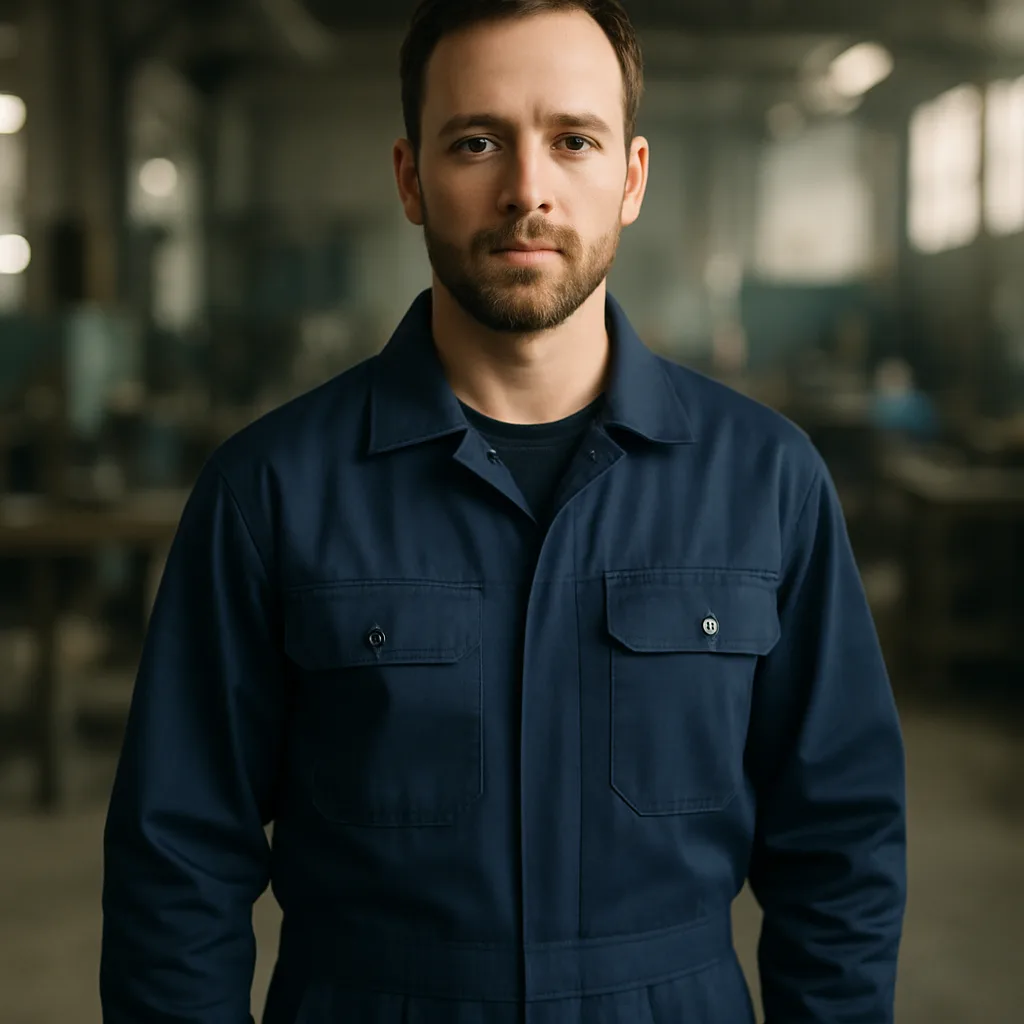
A boiler suit is one piece, so there is no way to take a layer off during the day; the heat can only be adjusted underneath. That is why, for teams in boiler suits, a thermal base layer is not an optional accessory but part of the system.
For the same reason the base layer should be thin: a thick base layer creates bulk inside the boiler suit, restricts movement and crushes the insulating air gap.
INSTEAD OF THICKER WINTER TROUSERS
On the legs, the usual answer is to buy thicker winter trousers. This creates two problems: trousers with a thick lining resist crouching and climbing stairs; and on mild days they make staff sweat, so staff don't wear them and are caught out in thin trousers on a cold day.
A thin thermal base layer plus normal trousers solves both problems. The same trousers work in both scenarios; the adjustment is made with the base layer.
CARE — THE ONE CRITICAL RULE
No fabric softener. Softener destroys the fibre's ability to carry moisture, and that is the base layer's whole job. A thermal base layer washed with softener becomes no different from a cotton one.
Wash at 40 °C, inside out; high heat in a tumble dryer damages the elasticity. Once a base layer loosens and no longer fits close to the body, it has lost its function.
ORDERING AND LOGO
The minimum order is 100 pieces and standard lead time is 15 working days; we ship within Türkiye and abroad. Because a base layer touches the skin and is not seen, a logo is usually not used in corporate orders; a small application is possible if you wish. We recommend planning base layers with your jacket, fleece and gilet order, as each layer is chosen to suit the others. Prices shown on the cards are average unit prices excluding VAT for the quantity you select.
FREQUENTLY ASKED QUESTIONS
Should a thermal base layer be thick? — No. What matters is moisture transfer, not thickness; a thin, close-fitting base layer works better than a thick, loose one.
Can a thermal base layer be cotton? — It should not be. Cotton holds sweat and wet fabric draws heat away quickly; thermal base layers are synthetic or a wool-synthetic blend.
Get a quote made for your organisation in this category
Tell us the products you like and the quantities — we will send you one clear quote.