









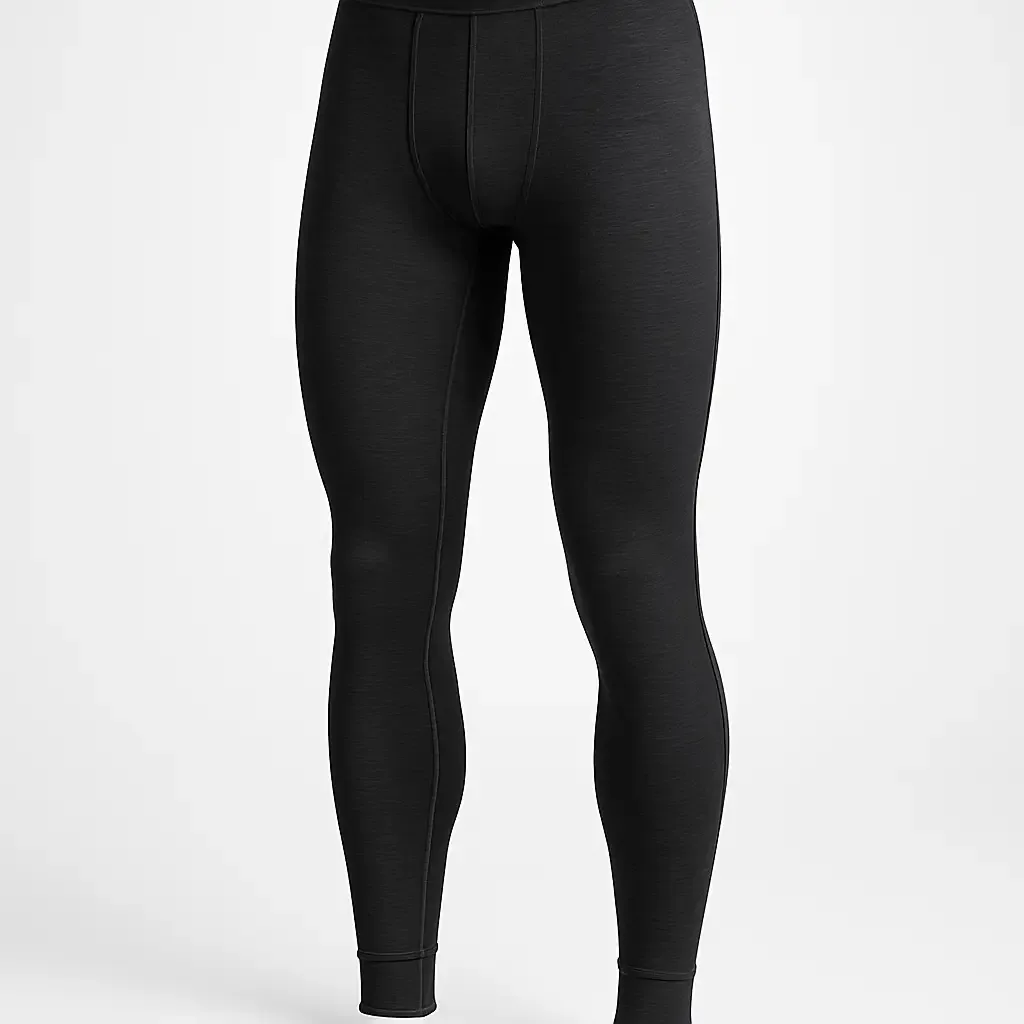
 Thermal Base Layers
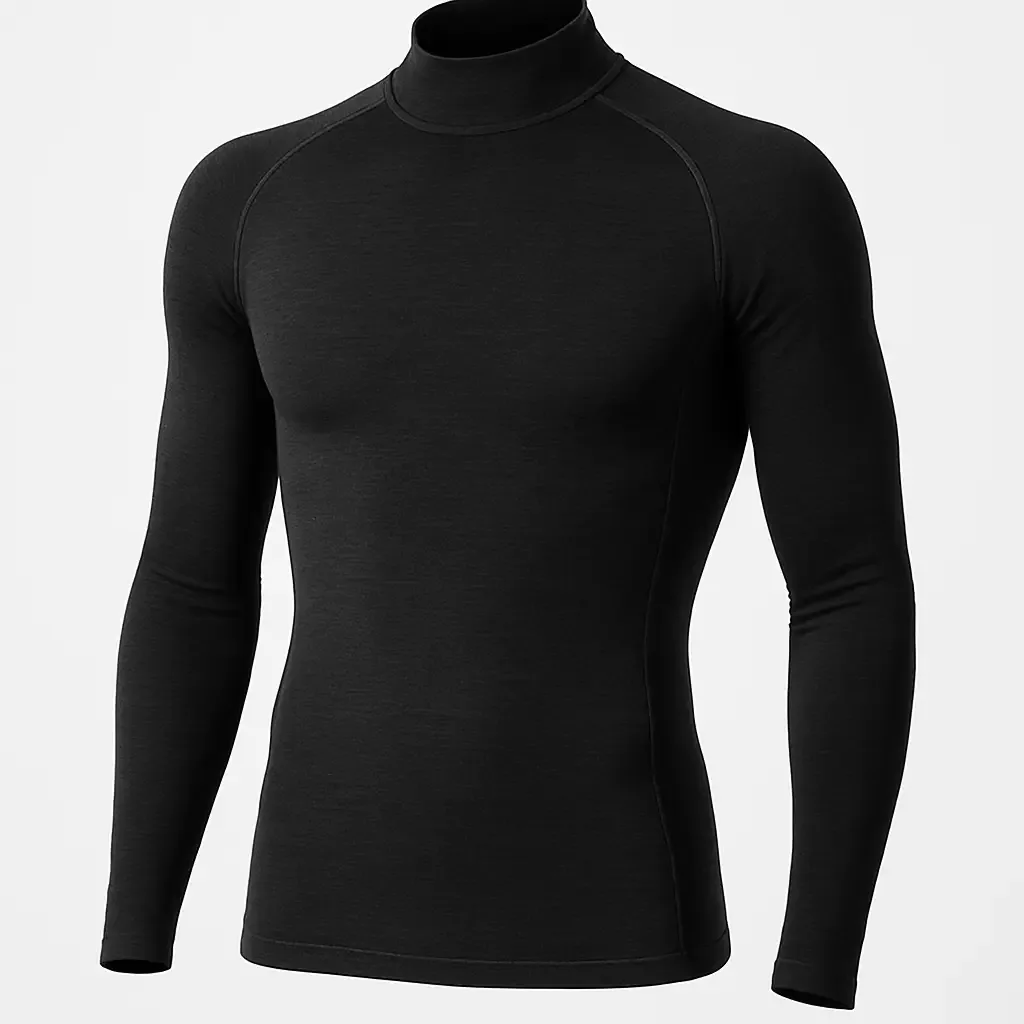
Thermal Base Layer Top
SKU · MW-TI-001
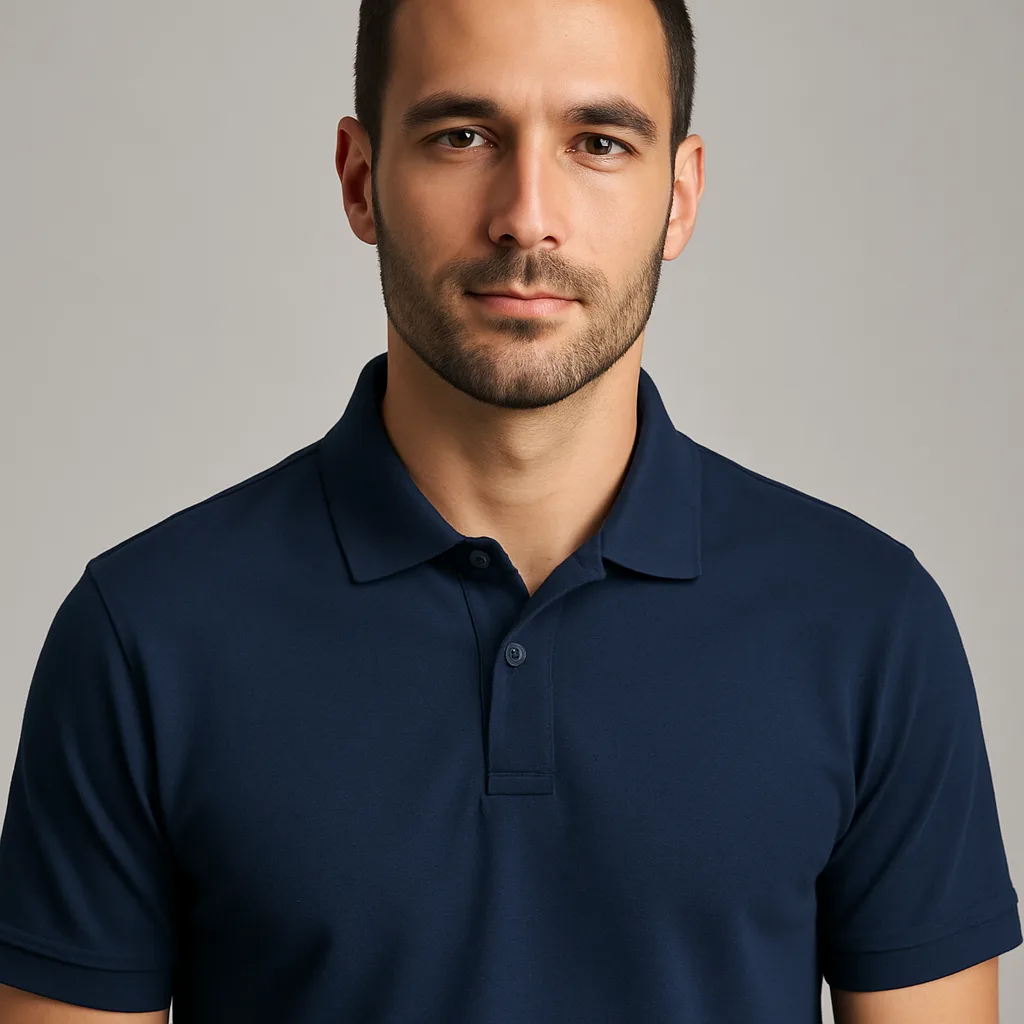
Thermal base layer top for cold-site and cold-store teams — a close-fitting construction that wicks sweat away. The first link in layered clothing. Min. 100 pieces, 15 working days.
Average unit price · excl. VAT
≈ €10.44/pc
100 pcs
Estimated total €1,044
Indicative price converted from Turkish lira at the Central Bank of the Republic of Türkiye rate of 21 October 2026, excl. VAT. Request a quote for your exact export price.
Product description
Thermal Base Layer Top
The first link in layered clothing. It is in direct contact with the skin, and before keeping you warm its job is to move sweat away from the skin.
Mars Wear supplies it for corporate buyers from a minimum of 100 pieces; standard delivery is 15 working days.
A Cotton Base Layer Works Against You
This is the most expensive misconception in the cold — and because most organisations upgrade the winter jacket without thinking about the base layer, the problem goes unsolved.
Cotton absorbs and holds sweat. The cooling effect as it dries is an advantage in summer; in winter it works the other way. Staff sweat while working, the moisture stays in the base layer, and wet fabric carries heat away much faster than dry fabric.
On site it looks like this: staff are warm while they move and get cold the moment they stop — because the wet base layer starts to cool. Behind the complaint "the jacket is good but I'm still cold" there is usually a cotton base layer.
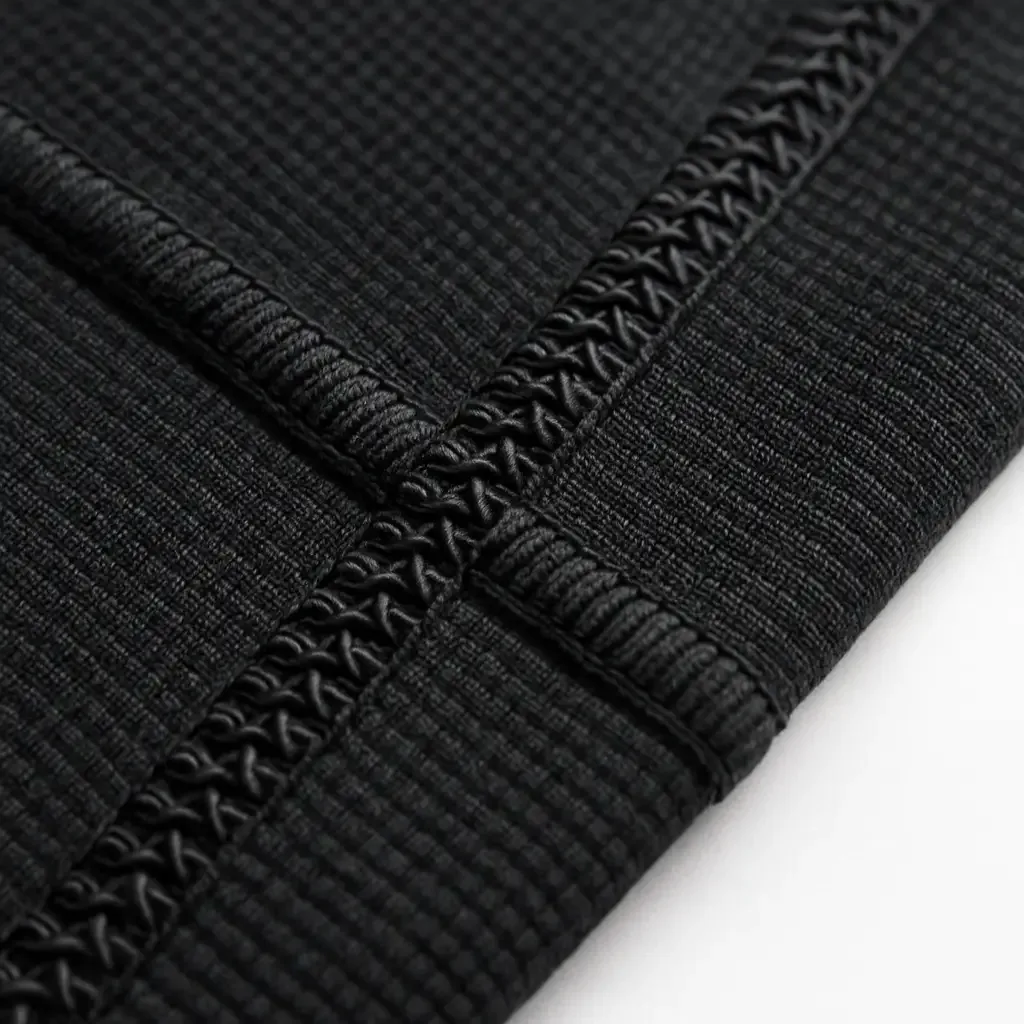
What matters in a thermal base layer is not thickness but moisture transfer: a construction that takes sweat from the skin and passes it to the outer layer. That is why thermal base layers are synthetic or a wool-synthetic blend, not pure cotton.
A Base Layer Must Fit Close
The second common mistake: buying the base layer loose.
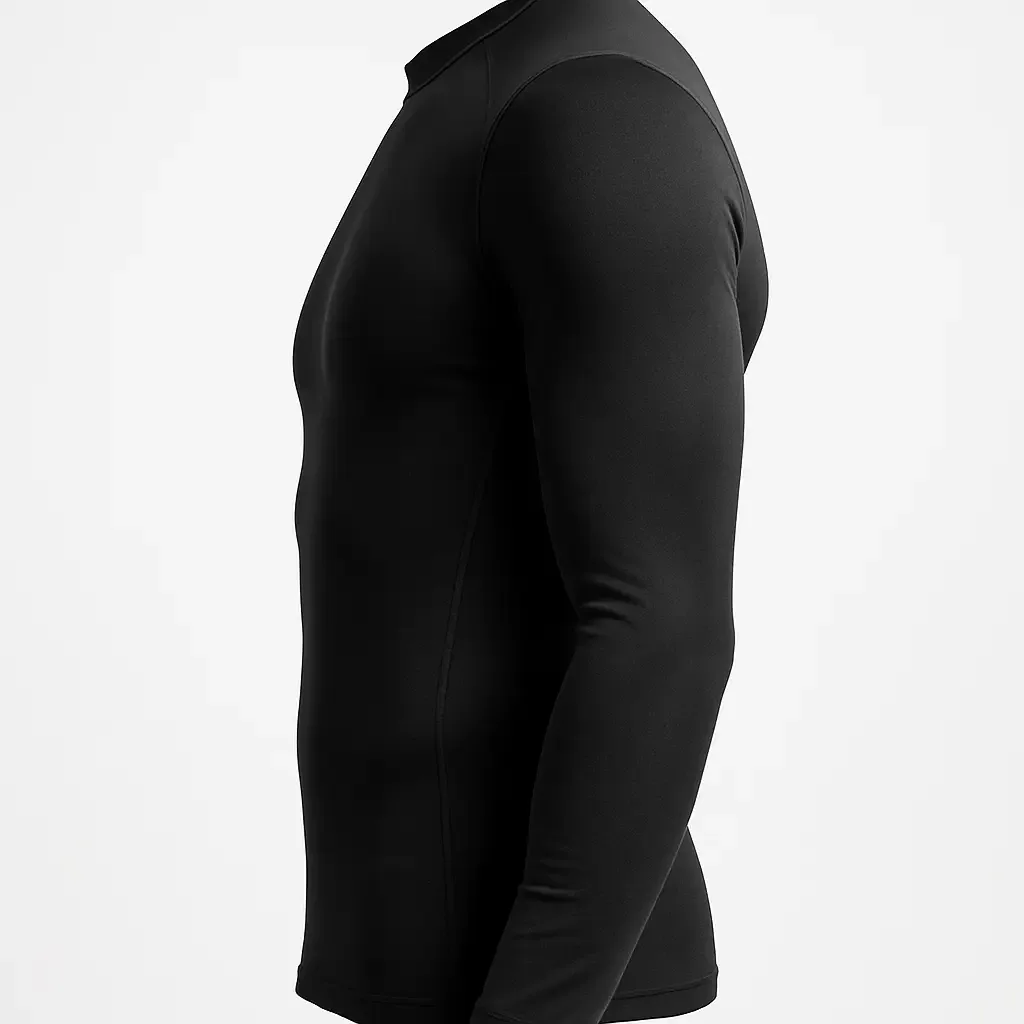
A thermal base layer takes sweat away through contact. A base layer that does not touch the skin cannot transfer moisture; sweat condenses in the air gap in between. A loose base layer is as useless as a cotton one.
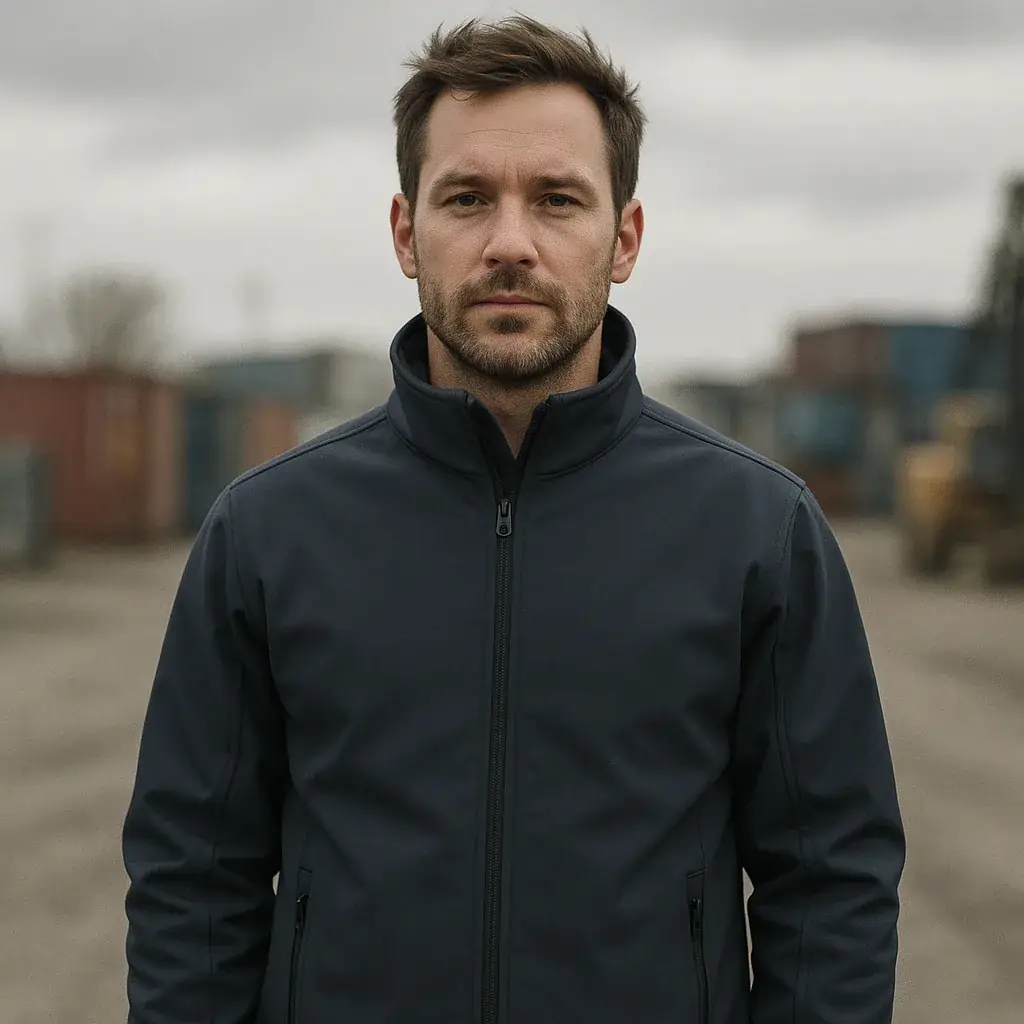
The right base layer fits close to the body without squeezing — enough not to restrict movement or circulation. That is why we collect the size breakdown separately in corporate orders; "let's give everyone a large" does not work for base layers.
The Order of Layers
- Thermal base layer — moves sweat away from the skin (this product)
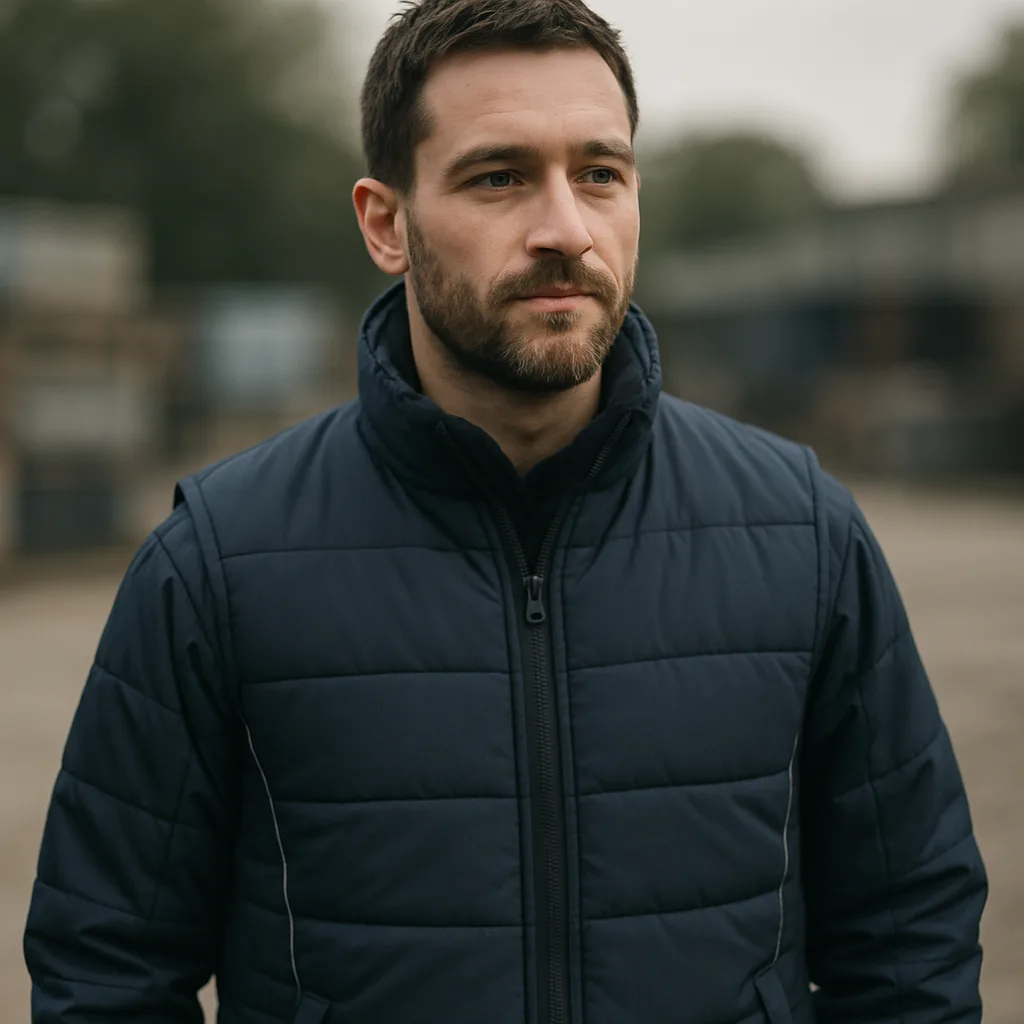
- Mid layer — holds the heat: fleece work gilet, crew-neck sweatshirt, padded work gilet
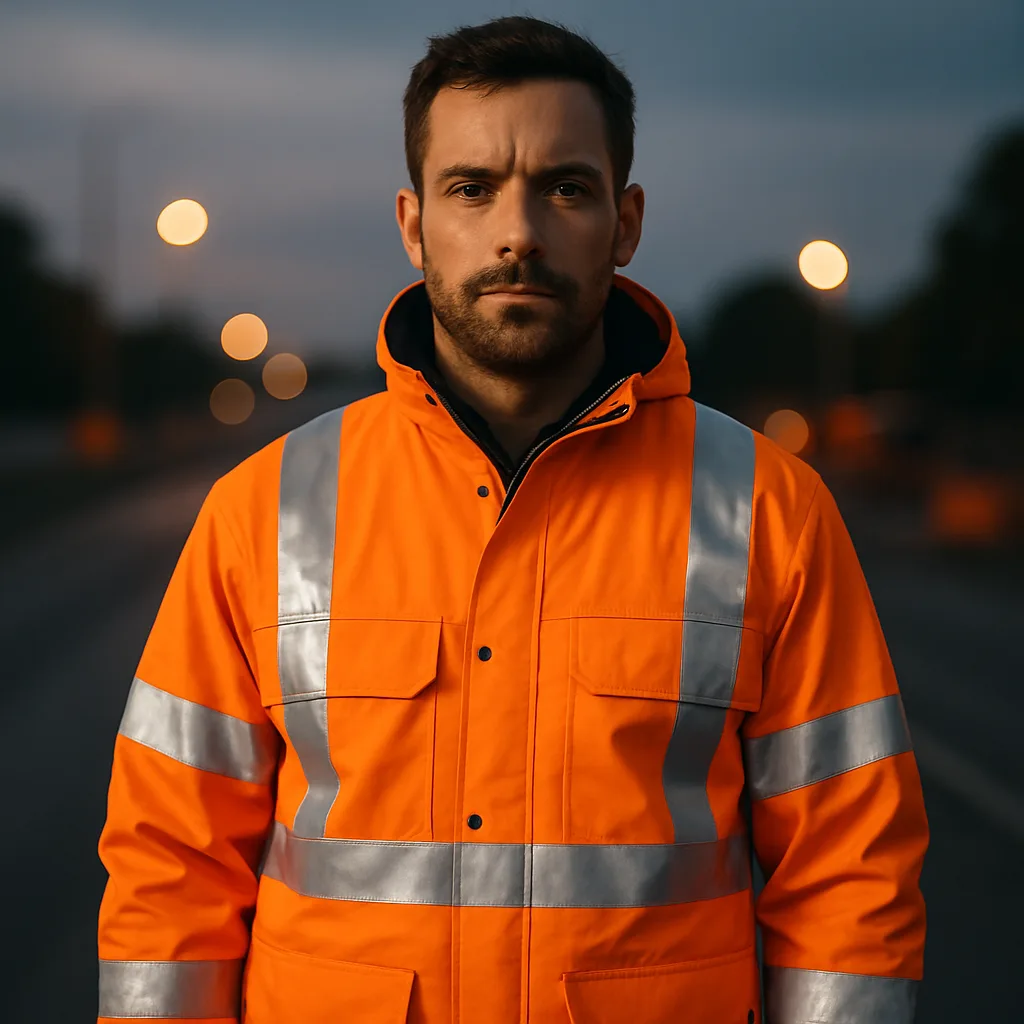
- Outer layer — blocks wind and water: winter work jacket, work coat and parka
The most common place for this order to break down is the first link. Organisations invest in layers 2 and 3 and leave layer 1 to staff's own choice — and the chain breaks at its weakest link.
For teams who wear coveralls, layering is adjusted underneath; the thermal base layer is even more critical there, because there is no way to take a layer off a coverall. We explain this on our thermal base layer bottoms page.
Which Teams Is It For?
- Cold stores and freezers — food logistics, meat and dairy plants
- Outdoor winter operations — construction sites, roads, power lines
- Ports and open ramps
- Outdoor night-shift teams
- Teams who wear coveralls — the only place where layering can be adjusted
Ordering and Care
Our minimum order is 100; shipping within Türkiye and abroad. We collect the size breakdown before ordering — for a base layer, size matters more than for any other piece.
- Do not use fabric softener — it destroys the fibres' ability to move moisture, which is the base layer's main function.
- Wash at 40 °C, inside out.
- High heat in a tumble dryer damages the elastic; use low heat or dry naturally.
- Once a base layer goes loose and no longer fits close, it has lost its function — what matters is the fit, not the thickness.
Frequently Ordered Together
- Thermal Base Layer Bottoms — planned as a set
- Thermal Socks — the same moisture logic applies to feet
- Thermal Gloves
- Beanie with Logo · Fleece Neck Warmer
For all options, see the thermal base layers and winter workwear categories.
Frequently Asked Questions
Why not a cotton base layer? Cotton absorbs and holds sweat. Wet fabric carries heat away much faster than dry fabric; staff are warm while moving and get cold when they stop.
Should a base layer be loose or tight? It should fit close to the body without squeezing. A base layer that does not touch the skin cannot transfer moisture; a loose one does not work.
Is a thick base layer warmer? For a thermal base layer, what counts is moisture transfer, not thickness. Warmth is the job of the mid layer worn over it.
Can it carry a logo? A base layer touches the skin and is not visible from the outside; in corporate buying a logo is usually not chosen. A small-scale application is possible if you wish.
What is your minimum order? 100 pieces.
Similar products
Thermal Base Layers