













 Winter Thermal Accessories
Thermal Gloves — Waterproof Lined
SKU · MW-AK-002
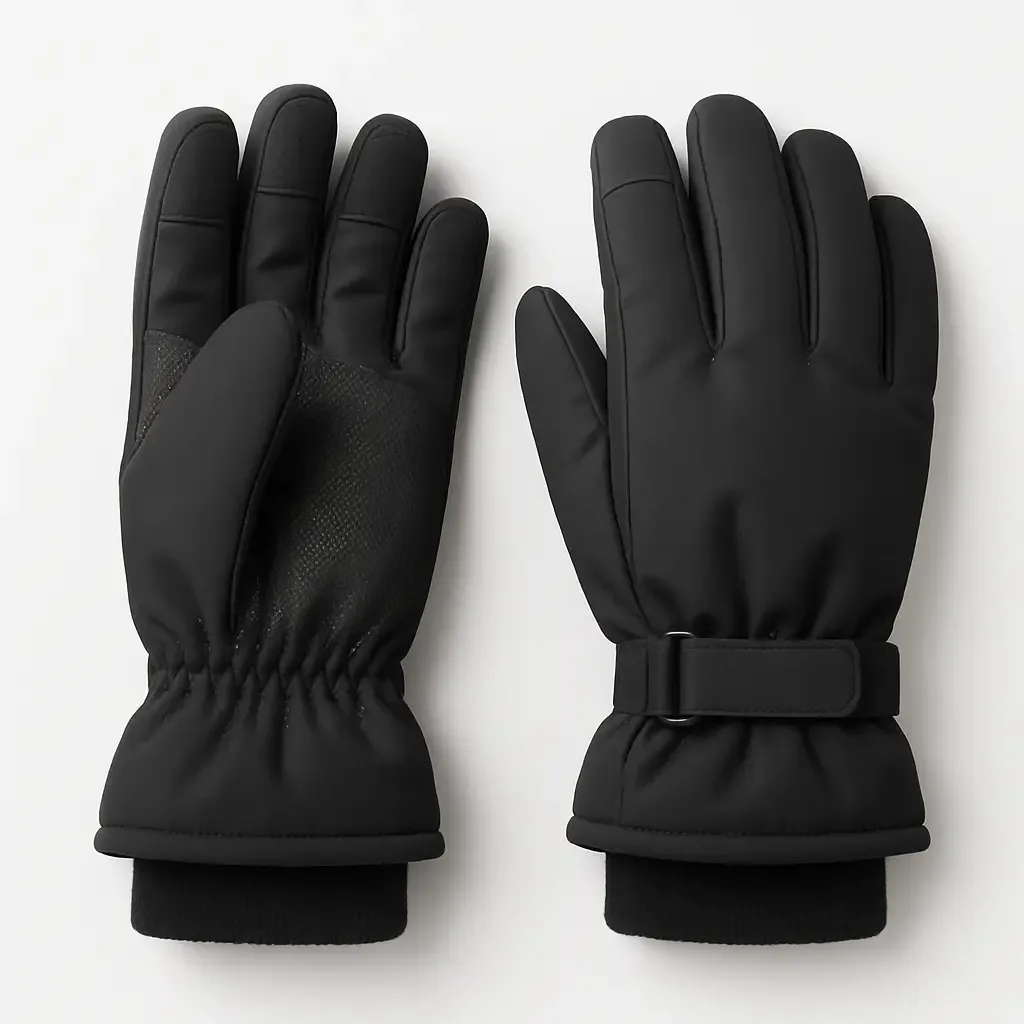
Thermal work gloves for cold store and outdoor teams — a water-repellent outer and an insulating lining. The three performance digits of EN 511 explained. Min. 100 pairs.
Average unit price · excl. VAT
≈ €5.22/pc
100 pcs
Estimated total €522
Indicative price converted from Turkish lira at the Central Bank of the Republic of Türkiye rate of 21 October 2026, excl. VAT. Request a quote for your exact export price.
Product description
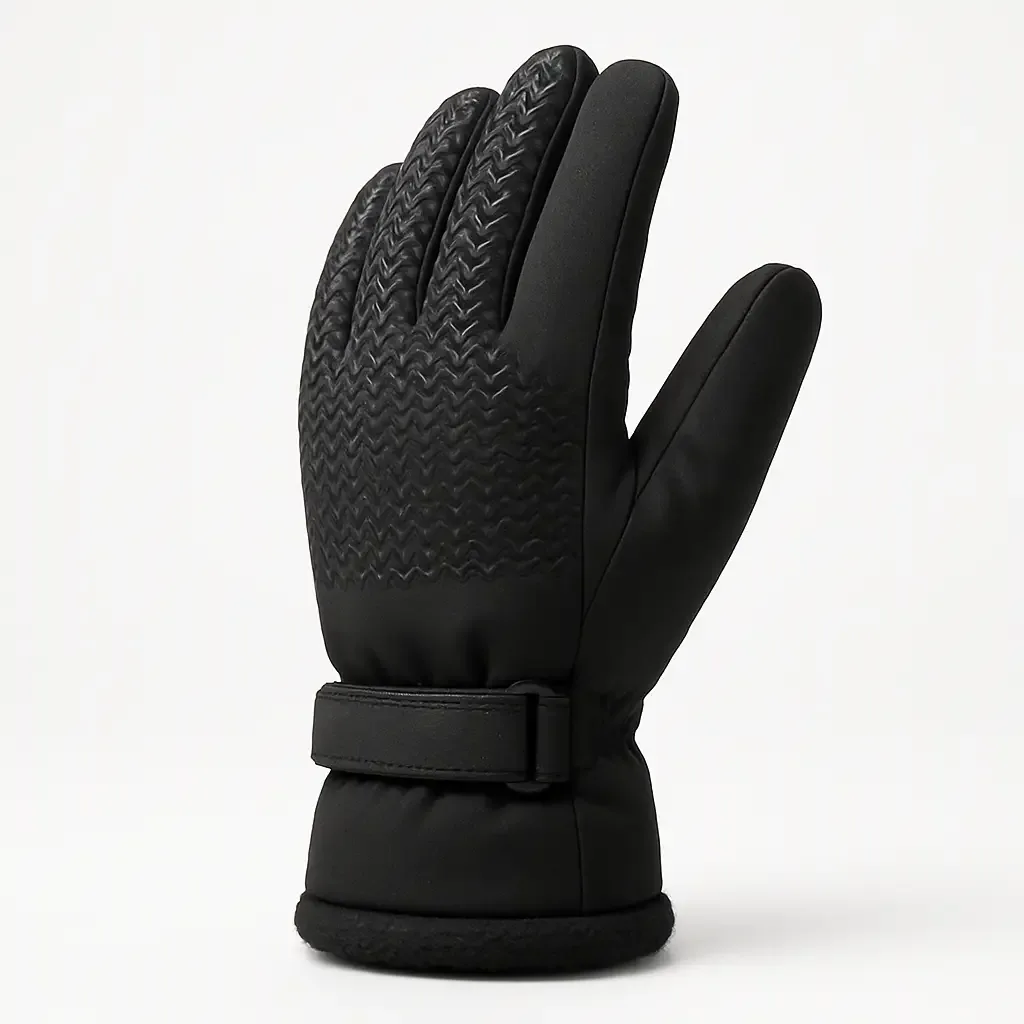
Thermal Work Gloves
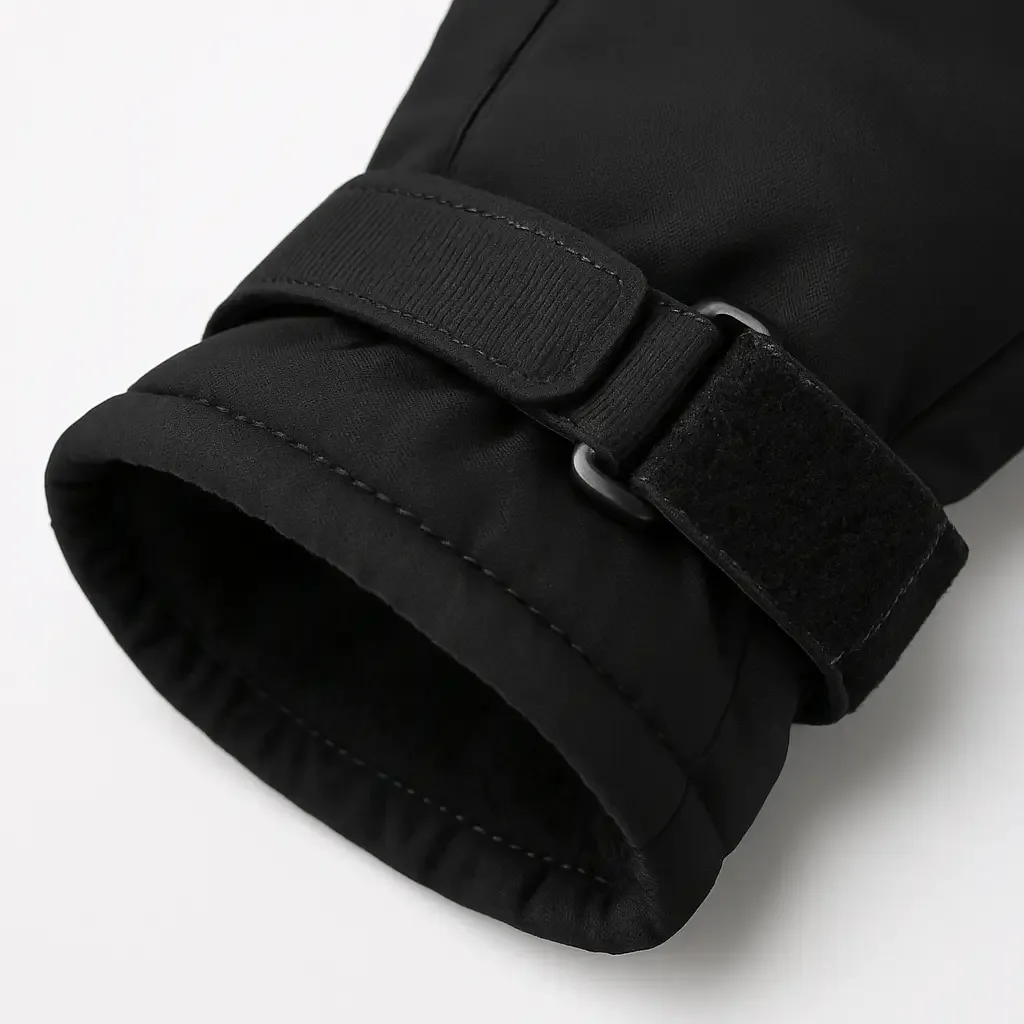
Work gloves with an insulating lining and a water-repellent outer, for staff working in cold stores, freezer environments and on outdoor sites in winter.
Mars Wear supplies them for corporate buyers from a minimum of 100 pairs; your company colour and logo can be applied, and standard delivery is 15 working days.
What Do EN 511's Three Digits Mean?
EN 511 is the standard for gloves protecting against cold, and next to the pictogram on the glove there are three digits. This is the information to look at when buying — not the word "thermal", but those three digits.
Digit 1 — Convective cold resistance (0–4). Insulation against cold from air and wind. For teams working outdoors exposed to wind, this is the decisive digit.
Digit 2 — Contact cold resistance (0–4). How fast heat escapes from the hand when you touch a cold surface. For teams holding frozen goods, cold metal parts or icy handrails, this is what really matters.
Digit 3 — Water penetration (0 or 1). 1 = no water gets through within five minutes. 0 = water gets through before five minutes are up.
This distinction is very useful in practice: a glove can be very good against convective cold and weak against contact cold. A thick, airy lining blocks the wind, but when you grip cold metal, heat escapes quickly. If your cold store team carries frozen crates all day, look at digit 2, not digit 1.
Set the Right Expectation for "Waterproof"
The test for the third digit lasts five minutes. So a "1" shows that the glove keeps water out for five minutes — not that it stays dry all day in wet work.
For jobs done constantly in water (washing lines, fishing, wet concrete), a separate, waterproof type of glove is needed, not a thermal glove. We say this at the outset so they are not bought with the wrong expectation and returned.
Let us be clear about certification: an EN 511 certificate is issued by a notified body for a specific tested product. If certified PPE is mandatory in your workplace, say so at the start of the project; we decide together which performance digits you need and set up the supply accordingly.
Balancing Thickness and Dexterity
The problem everyone has with cold weather gloves: a thick glove keeps you warm but kills finger sensitivity. Staff take the glove off to do their job — and protection drops to zero.
That is why we need to ask what the team does:
- Rough carrying and handling — a thick lining is no problem; insulation comes first
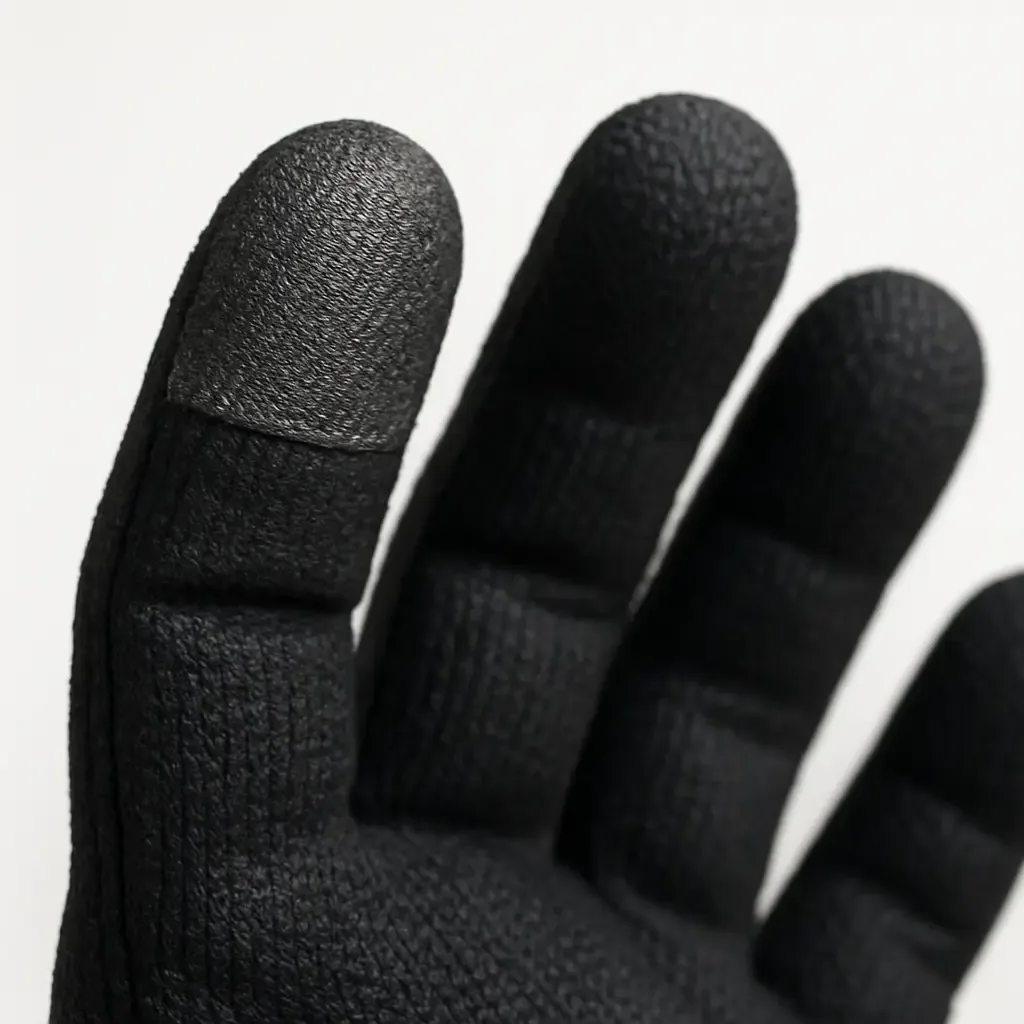
- Fine assembly, keypads, handheld terminals — a thin lining + a good grip coating; a little insulation is sacrificed
- Mixed work — a thin glove + a thick over-glove pulled on when needed; staff add a layer instead of taking gloves off
Which Teams Are They For?
- Cold stores and freezers — food logistics, meat and dairy plants
- Outdoor winter operations — construction sites, roads, power lines
- Ports and open ramps — loading and unloading exposed to wind
- Snow clearing and municipal winter teams
Other Glove Needs
This product is for protection against cold. Jobs that require protection against cuts, punctures, chemicals or heat need gloves to different standards. If your team's risk assessment includes such a need, let us know — we also supply the relevant types of gloves for your corporate orders.
Complete the Cold-Weather Layers
Gloves alone do not solve the cold; a large share of heat loss is from the head, neck and feet.
- Thermal Socks — cold toes lower performance as much as cold hands
- Fleece Neck Warmer — closes the collar gap
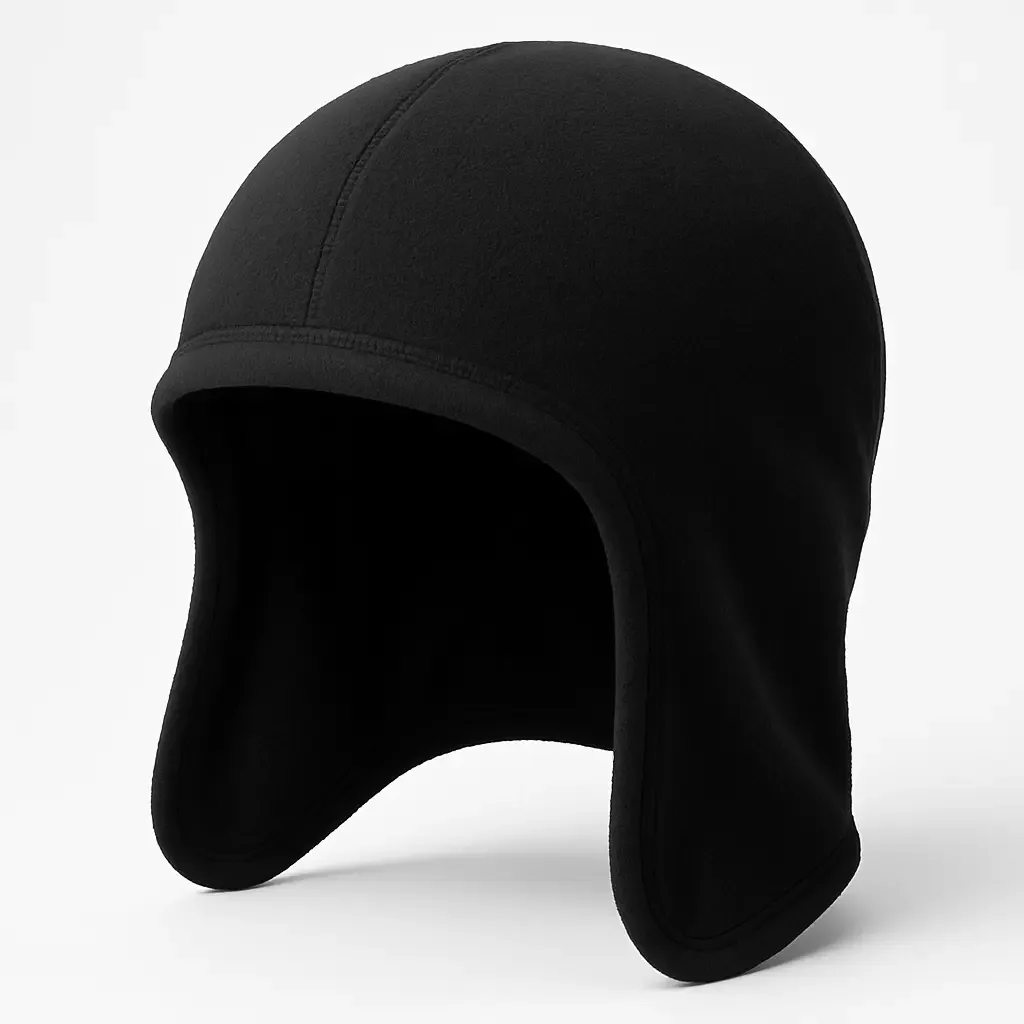
- Hard Hat Liner — a thin cap for teams wearing hard hats
- Beanie with Logo — for teams not wearing hard hats
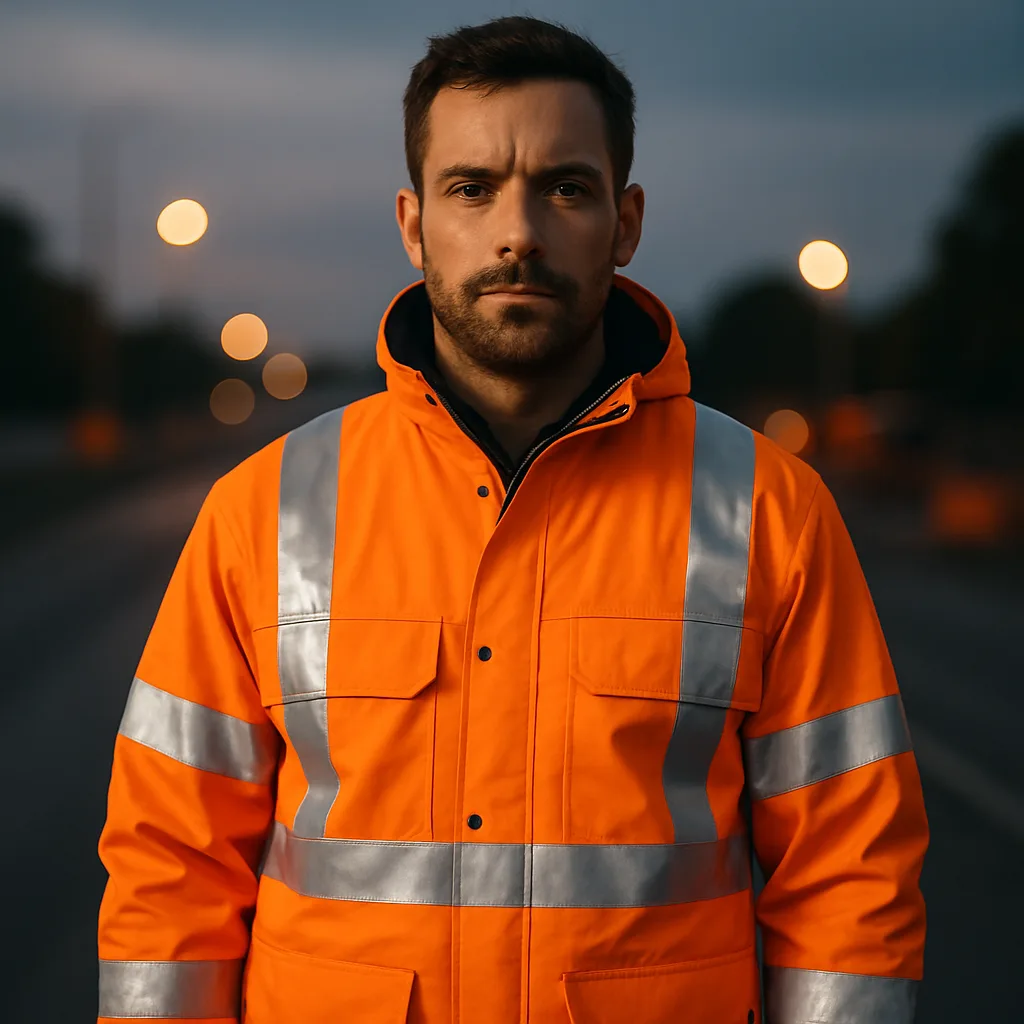
- Work Coat and Parka — the upper layer for harsh winter conditions
- Thermal Base Layer Top — the base layer
Ordering and Care
Our minimum order is 100 pairs; shipping within Türkiye and abroad.
- Do not dry wet gloves on a heater; the lining hardens and its insulation value drops.
- Do not put them back on while the lining is damp — moisture directly destroys insulation.
- If the grip coating has become shiny and slippery, the glove has lost its function.
- We collect the size breakdown before ordering; a large glove spoils dexterity, a small one restricts circulation.
Frequently Asked Questions
Which EN 511 digit should I look at? If your team is exposed to wind, digit 1 (convective cold); if they hold cold surfaces, digit 2 (contact cold). They measure different things, and a glove can be good at one and weak at the other.
How waterproof is "waterproof"? The standard's third digit is a five-minute test. It is not a claim to stay dry through a day of wet work; constant wet work needs a different type of glove.
Should we buy thick or thin? It depends on the job. For teams doing fine assembly and using handheld terminals, thick gloves get taken off and protection drops to zero; there, a thin lining + good grip is preferred.
Do they protect against cuts? No, this product is for protection against cold. Cut protection is covered by a separate standard; if you need it, we supply that type.
Can they carry a logo? Your company colour and logo can be applied; because the area is limited, we recommend a small-scale application.
What is your minimum order? 100 pairs.