










Safety Footwear, Boots and Wellingtons
Bulk safety footwear: which job suits S1/S1P/S1PS/S2/S3, ESD vs antistatic, which budget for Mekap, YDS, Uvex. Min. 100 pairs, invoiced supply.
Products
Filter by subcategory; narrow down by season, feature and sector.
16 products
Filters
-
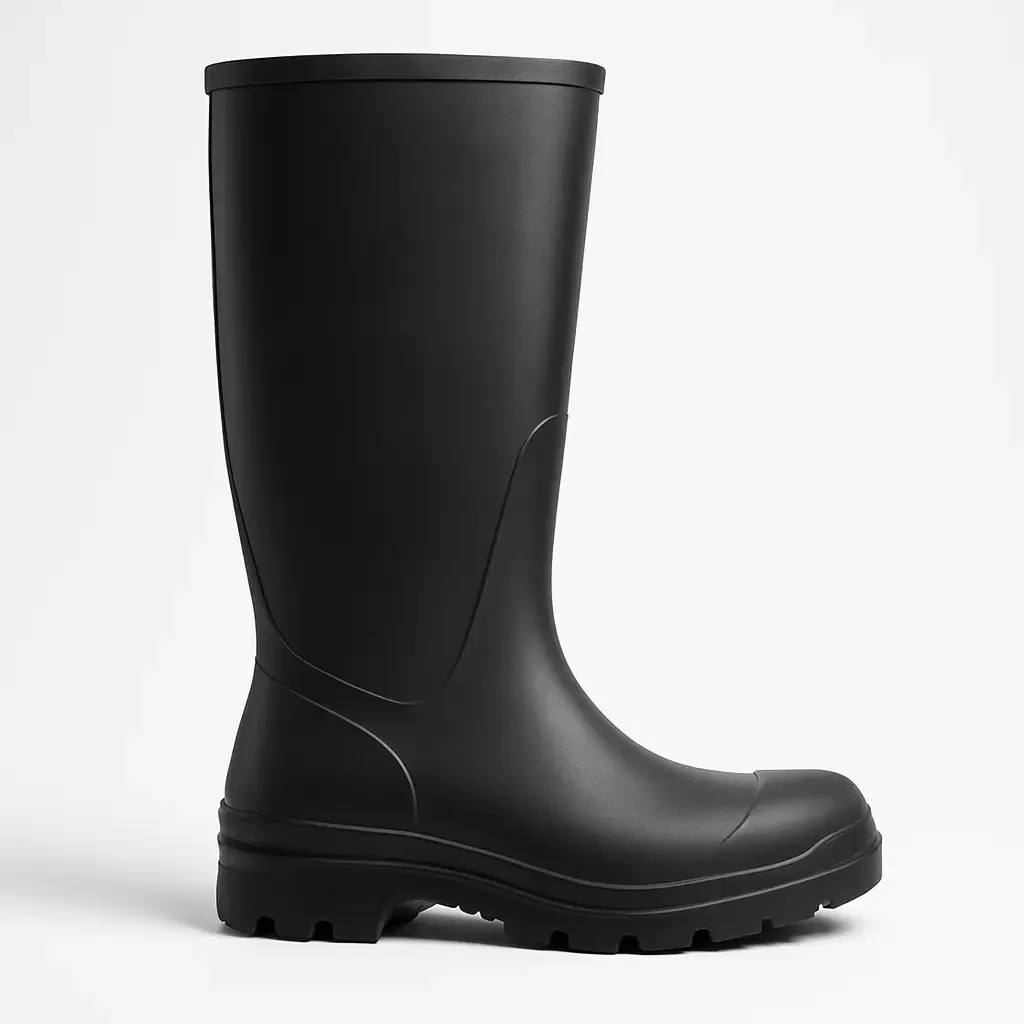 Safety Footwear, Boots and Wellingtons
-

 Safety Footwear, Boots and Wellingtons
-

 Safety Footwear, Boots and Wellingtons
-
 Safety Footwear, Boots and Wellingtons
-
 Safety Footwear, Boots and Wellingtons
-

 Safety Footwear, Boots and Wellingtons
-

 Safety Footwear, Boots and Wellingtons
-

 Safety Footwear, Boots and Wellingtons
-
 Safety Footwear, Boots and Wellingtons
-
 Safety Footwear, Boots and Wellingtons
-
 Safety Footwear, Boots and Wellingtons
- Safety Footwear, Boots and Wellingtons
- Safety Footwear, Boots and Wellingtons
-

 Safety Footwear, Boots and Wellingtons
-

 Safety Footwear, Boots and Wellingtons
-

 Safety Footwear, Boots and Wellingtons
No products match this selection.
Remove a filter or clear them all.
/ products shown
About Safety Footwear, Boots and Wellingtons
Mars Wear supplies corporate safety footwear from a minimum of 100 pairs; we collect the size breakdown on your behalf, bring it in a single batch and ship separately to multiple locations. We manufacture the uniform at our own facility in Zeytinburnu, Istanbul, and supply the footwear — one quote, one shipment.
CLASS FIRST, THEN BRAND
This is the right order for the buying decision. Once the class is set, the choice of brand becomes a budget decision.
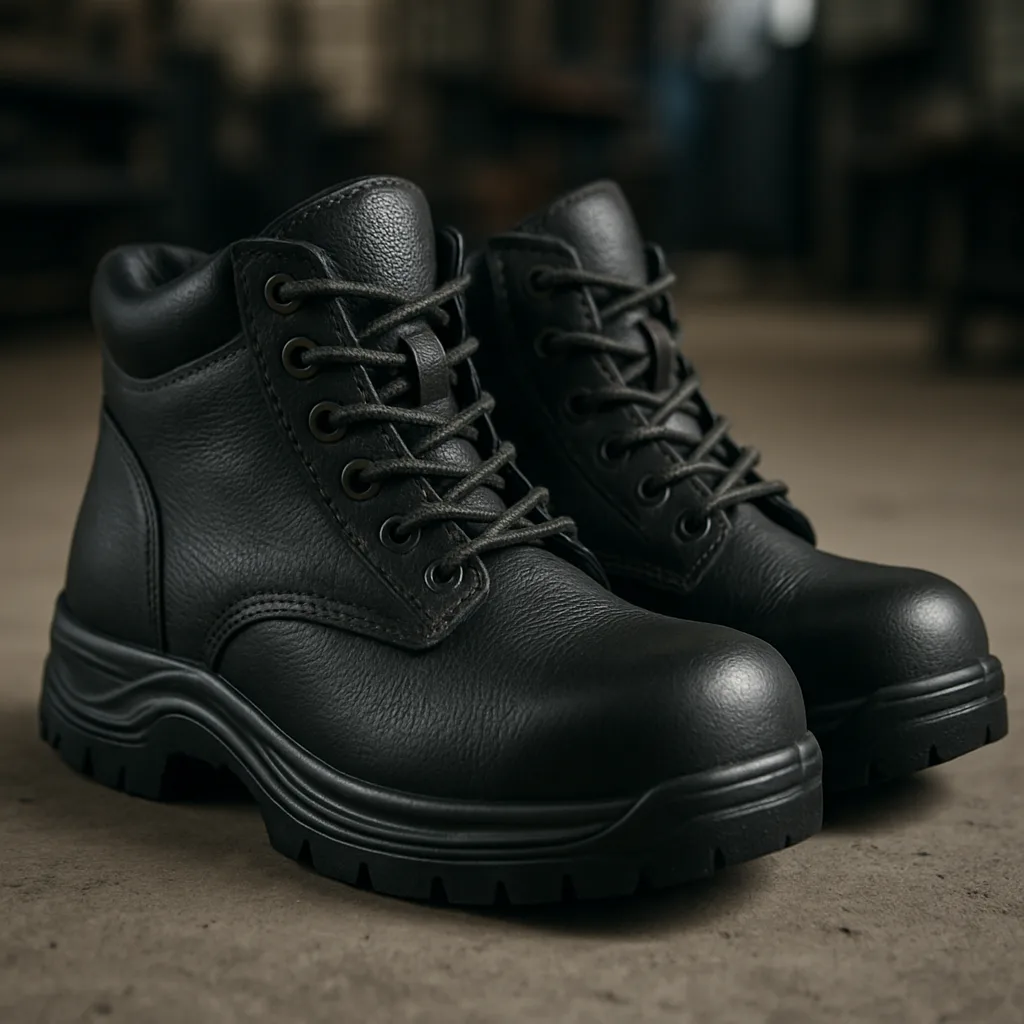
EN ISO 20345 classes: SB — toe protection resistant to 200 J impact and 15 kN compression. S1 — SB + antistatic + energy absorption at the heel + closed heel. S1P — S1 + penetration resistance, metal midsole (P, tested with a 4.5 mm nail). S1PL — S1 + penetration resistance, non-metal midsole (PL, 4.5 mm nail). S1PS — S1 + penetration resistance, non-metal midsole, tested with a thinner 3.0 mm nail. S2 — S1 + water penetration resistance of the upper. S3 — S1P + water resistance + cleated outsole. S5 — wellington boot; penetration-resistant sole + waterproof construction.
The 2022 revision of the standard split penetration resistance into P / PL / PS. A metal midsole is strong against wide objects but can miss thin wire and nails; a PS-coded non-metal midsole passes the 3.0 mm nail test, so it is safer where there is a risk of thin objects. This is the code to look for in recycling, scrap, demolition and woodworking. Most suppliers still do not make this distinction.
ADDITIONAL MARKINGS SRC — the most comprehensive level of slip resistance; passes both the wet ceramic and the oily steel test. ESD — electrical resistance 0.1–100 MΩ. Clearly narrower than the standard antistatic range (100 kΩ–1000 MΩ). Every ESD shoe is antistatic; not every antistatic shoe is ESD. HRO — outsole resistant to 300 °C for 60 seconds. Asphalt, foundry, roofing membrane, around furnaces.
WHICH CLASS FOR WHICH JOB? Factory floor, assembly line, warehouse — S1 or S1P. Kitchen, food production, wet floors — S2, SRC essential. Construction site, outdoors, muddy ground — S3. Risk of thin wire and nails — S1PS. Electronics manufacturing, clean room — ESD. Asphalt, foundry, hot surfaces — HRO. Welding and foundry — welder's model with a flap; the lacing area is an open channel for sparks. Agriculture, abattoir, washdown areas — S5 wellington. Uneven ground, risk of ankle sprain — ankle boot.
BRANDS AND BUDGET BANDS
We are an authorised dealer for Mekap (including the Gripper range), YDS, Pars and Bimes. We also supply Demir, Uvex, Base and U-Power for corporate orders. Each brand's own page compares the model list, the market retail price and the corporate price for 100 pairs.
Economy band — Pars, Demir, Mekap entry ranges, Bimes. Mid band — YDS, Gripper (the GPR range of the Mekap family). Premium band — U-Power, Base, Uvex.
For a brand or model not on the list, send us the code; we will reply in writing with availability and price.
STEEL OR COMPOSITE?
The protection threshold is the same — the standard requires 200 J impact resistance from both materials. The difference lies in the conditions of use: composite is lighter, does not draw heat in the cold and does not set off metal detectors. On the other hand, composite is damaged by cracking rather than by crushing like steel; the damage may not be visible from the outside, so a composite toe-cap shoe that has taken an impact must be replaced.
THE REAL PROBLEM IN BULK BUYING: SIZING
In corporate footwear orders the most common reason for returns is not price or quality but the wrong size. Before the order, we collect the team's shoe sizes through a form. The size range is 35–48 (EU), larger on request. A separate last is used for female staff; a small men's size is not the same thing. For staff who are unsure, we first send a sample pair. A mixed breakdown is fulfilled in a single batch. With imported brands the last can differ from domestic production, so trying a sample matters even more there.
WHEN SHOULD FOOTWEAR BE REPLACED?
The measure is condition, not time: if the toe protection has taken an impact, the outsole tread has worn away or the upper has started to come away from the sole, the shoe has lost its function. Stones and gravel stuck in the tread directly reduce slip resistance; clean them out periodically. In ESD models, replacing the conductive insole with an ordinary insole ends the ESD property.
Get a quote made for your organisation in this category
Tell us the products you like and the quantities — we will send you one clear quote.