

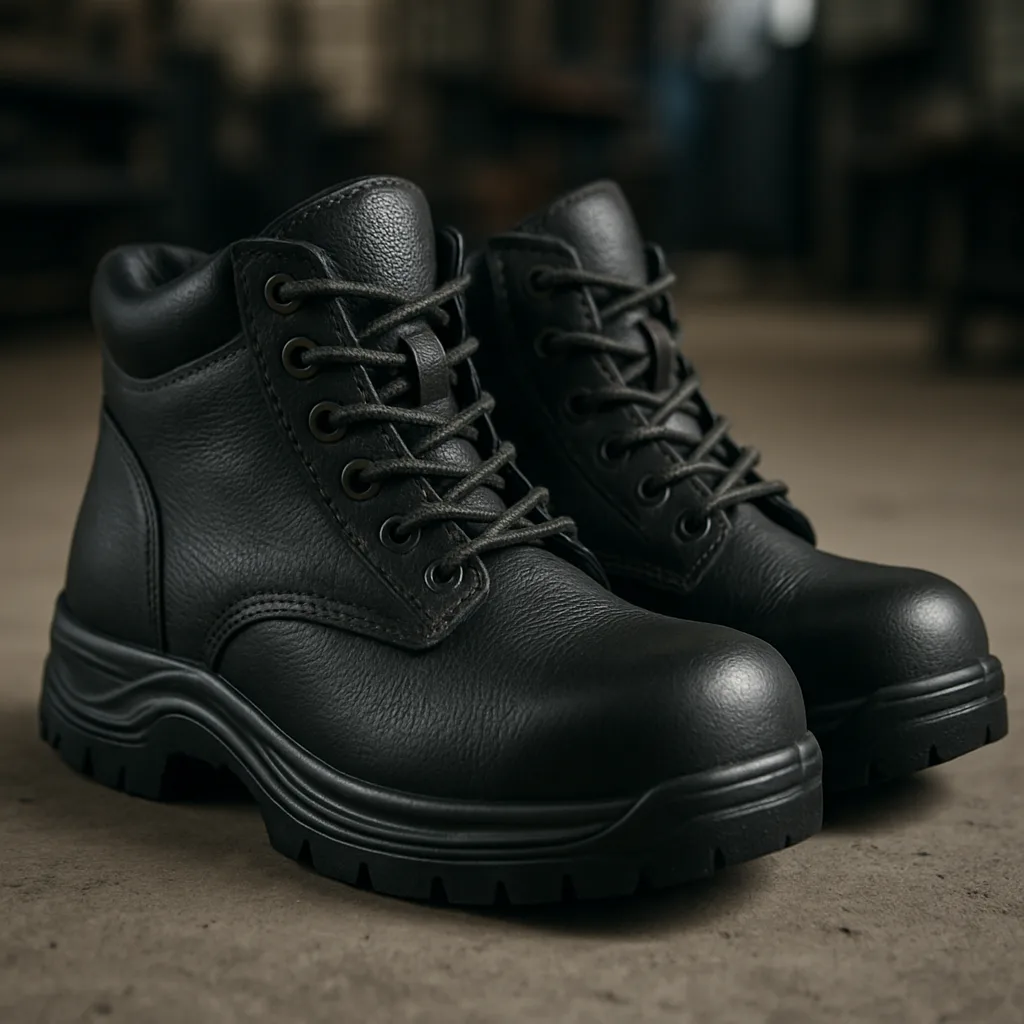













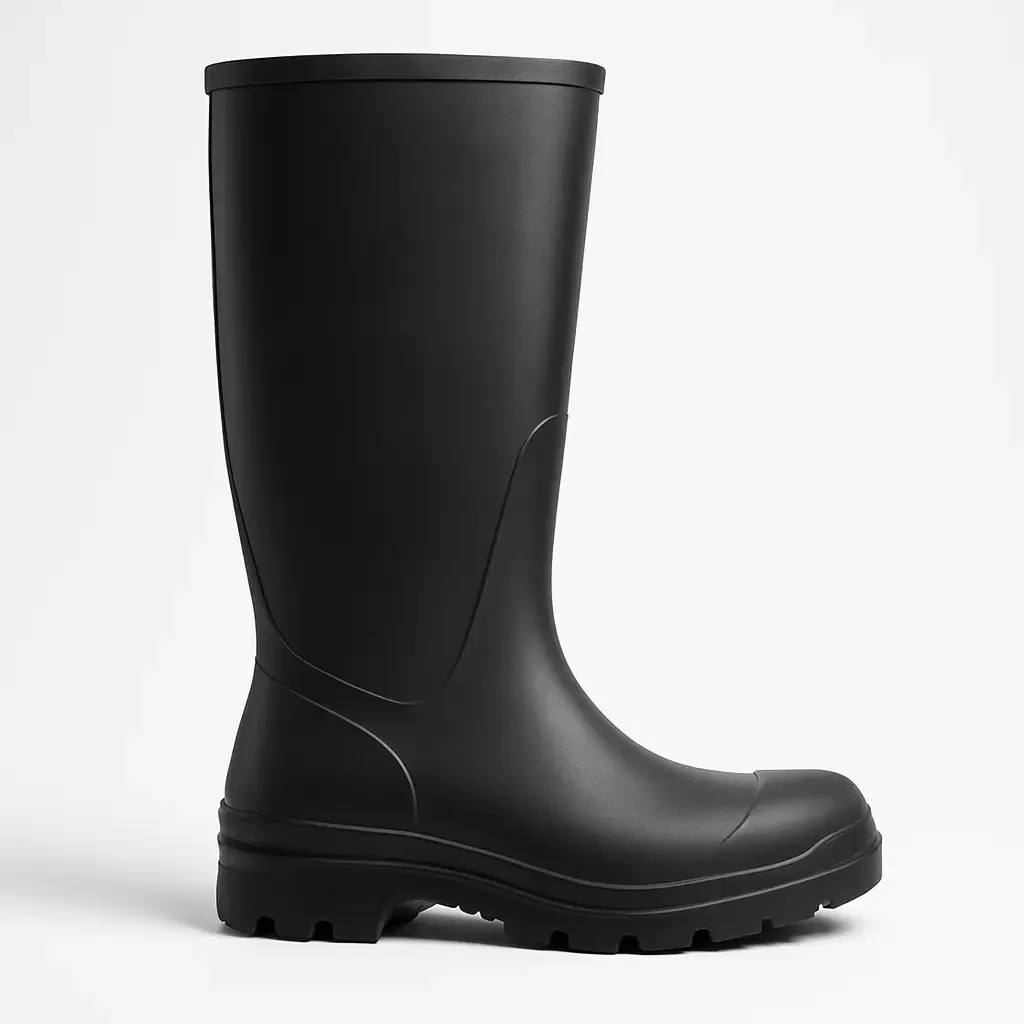
 Safety Footwear, Boots and Wellingtons
Uvex 8543 and 8544 ESD Safety Shoes
SKU · MW-UVEX-8543
Uvex 8543 S1 ESD SRC and 8544 S2 ESD SRC safety shoes. We explain the one difference between them and which suits which environment. Corporate supply from 100 pairs.
Average unit price · excl. VAT
≈ €71.97/pc
100 pcs
Estimated total €7,197
Indicative price converted from Turkish lira at the Central Bank of the Republic of Türkiye rate of 21 October 2026, excl. VAT. Request a quote for your exact export price.
Product description
Uvex 8543 and 8544: Two Sibling Models
These two models are Uvex's most sought-after safety shoes in Türkiye. They come from the same family, cost the same and have only one difference — but choose wrongly and the shoe is finished within a few months.
- Uvex 8543 — S1 ESD SRC · retail TRY 5,329 · TRY 4,000 per pair for 100 pairs
- Uvex 8544 — S2 ESD SRC · retail TRY 5,329 · TRY 4,000 per pair for 100 pairs
Retail prices are indications based on market research and may change. The corporate price is confirmed according to quantity and size breakdown — request a quote for the exact figure.
The One Difference: Water Resistance of the Upper
- S1 (8543) — toe protection + antistatic + heel energy absorption + closed heel. No water resistance in the upper.
- S2 (8544) — everything in S1 + water absorption resistance of the upper.
Because the prices are the same, the decision is not about budget but about environment:
Choose the 8544 (S2) — anywhere the floor gets wet: food production, kitchens, washing lines, cold rooms, teams constantly moving between outdoors and indoors.
Choose the 8543 (S1) — dry indoor areas: electronics assembly, clean rooms, quality control, laboratories, technical staff moving between office and production. In these environments, S2's water resistance is an extra layer with no benefit and slightly reduces breathability.
If part of your team enters wet areas, ordering both as a mix is best — since the price is the same, there is no cost difference.
Common to Both: ESD and SRC
ESD — electrical resistance in the range 0.1–100 MΩ. This is noticeably narrower and tighter than the standard antistatic range (100 kΩ–1,000 MΩ). Every ESD shoe is antistatic; not every antistatic shoe is ESD. This is the property required for electronics production, semiconductors, clean rooms and facilities with a defined ESD protected area (EPA).
A warning: an ESD shoe alone is not enough. The resistance chain continues shoe → floor → earthing; on an insulating floor (thickly varnished concrete, rubber matting) it does not give the expected protection. Thick insulating socks also raise the resistance.
SRC — the most comprehensive level of slip resistance: it passes both the wet ceramic (SRA) and the oily steel floor (SRB) tests.
Do You Really Need ESD?
This is the question to ask at this price level. If ESD is not needed, you can get the same protection from much more economical brands:
ESD is needed: electronic board production and assembly, semiconductors, clean rooms, precision measurement laboratories, medical device production, any area with a defined EPA.
ESD is not needed: general factories, warehouses, logistics, construction sites, technical service, food production. In these areas a standard antistatic S1/S1P/S3 is enough — look at Mekap or YDS models, which do the same job at a third of the price.
In mixed facilities, the most economical solution is to split the workforce: ESD for those entering the ESD area, standard for everyone else.
Sizing in Bulk Orders
- Before ordering, we collect the team's shoe sizes through a form.
- An imported last may differ from locally made shoes; a sample fitting matters more here.
- A mixed breakdown (including a mix of 8543 + 8544) is covered in a single batch.
Frequently Ordered Together
One quote and one shipment with uniform pieces we produce at our own facility:
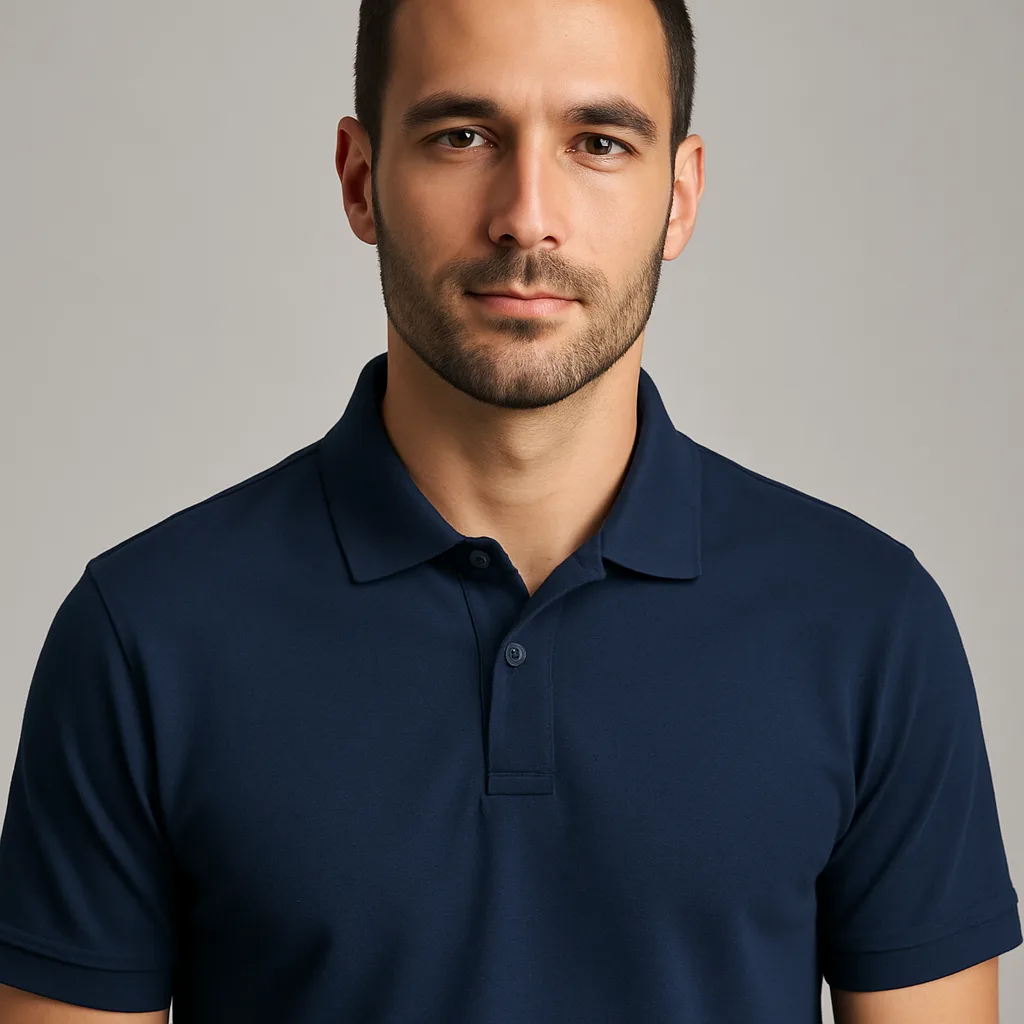
- Polo Work Shirt — with your company logo
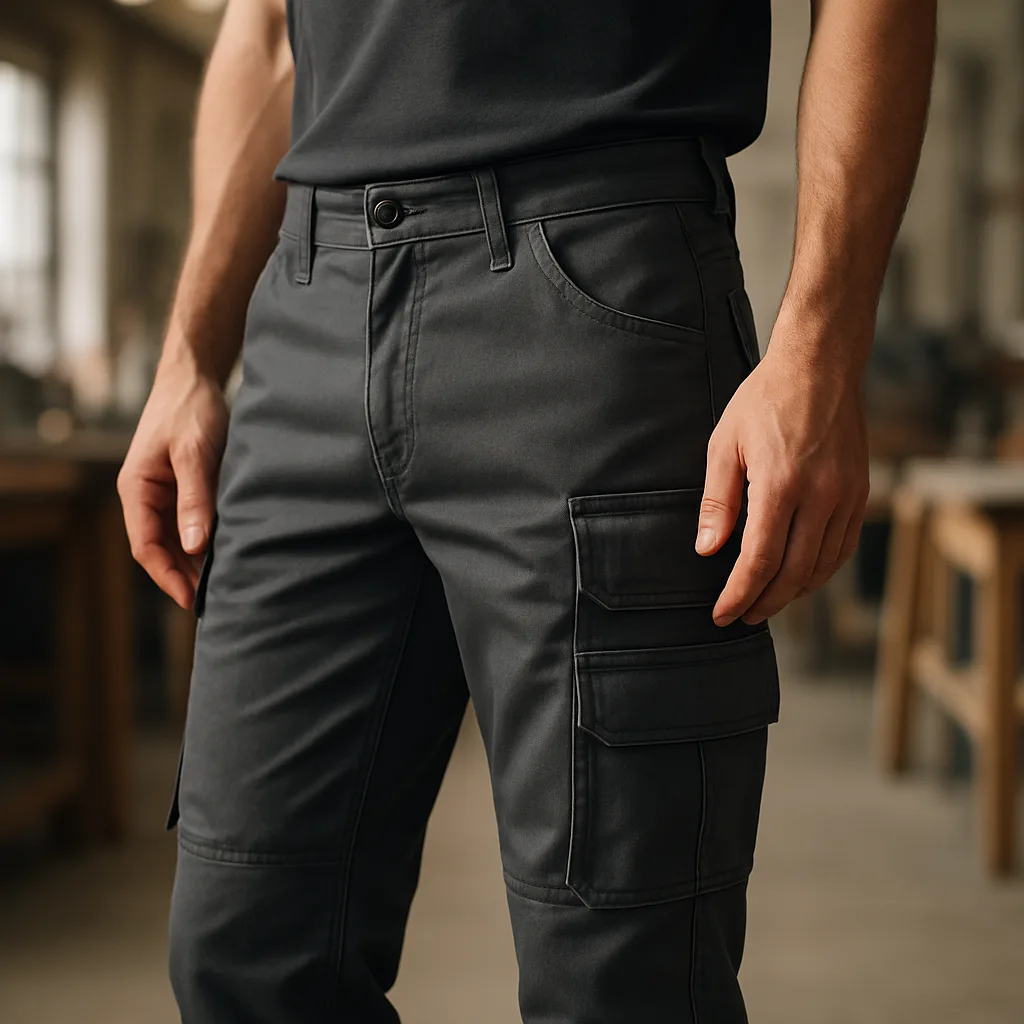
- Cargo Work Trousers
- Crew-Neck Sweatshirt — for production line staff
For other Uvex models, see our Uvex safety shoes page; for all brands, see the safety shoes, boots and wellingtons category.
Ordering and Care
Our minimum order is 100 pairs; genuine products, invoiced supply, shipping within Türkiye and abroad.
- Do not replace the conductive insole in ESD models. An ordinary insole from the market breaks the resistance chain; the shoe loses its ESD property.
- Do not machine wash; wipe with a damp cloth.
- If you use an ESD area, measure the shoes' resistance periodically — wear changes the resistance.
Frequently Asked Questions
8543 or 8544? If the floor gets wet, the 8544 (S2); in dry indoor areas, the 8543 (S1). Because the prices are the same, the decision depends entirely on the environment.
We have antistatic shoes — can they replace these? No. The antistatic range is 100 kΩ–1,000 MΩ, the ESD range 0.1–100 MΩ. An antistatic shoe can show resistance far above the ESD limit.
Is there an anti-perforation sole? Not on these two models (S1 and S2, no P/PL/PS code). If there is a risk of nails and wire, an S1P or S3 model is needed.
Can we place a mixed order? Yes — since they cost the same, we plan the 8543 and 8544 as a mix according to your team.
What is your minimum order? 100 pairs.
Similar products
Safety Footwear, Boots and Wellingtons  Safety Footwear, Boots and Wellingtons
 Safety Footwear, Boots and Wellingtons
 Safety Footwear, Boots and Wellingtons