










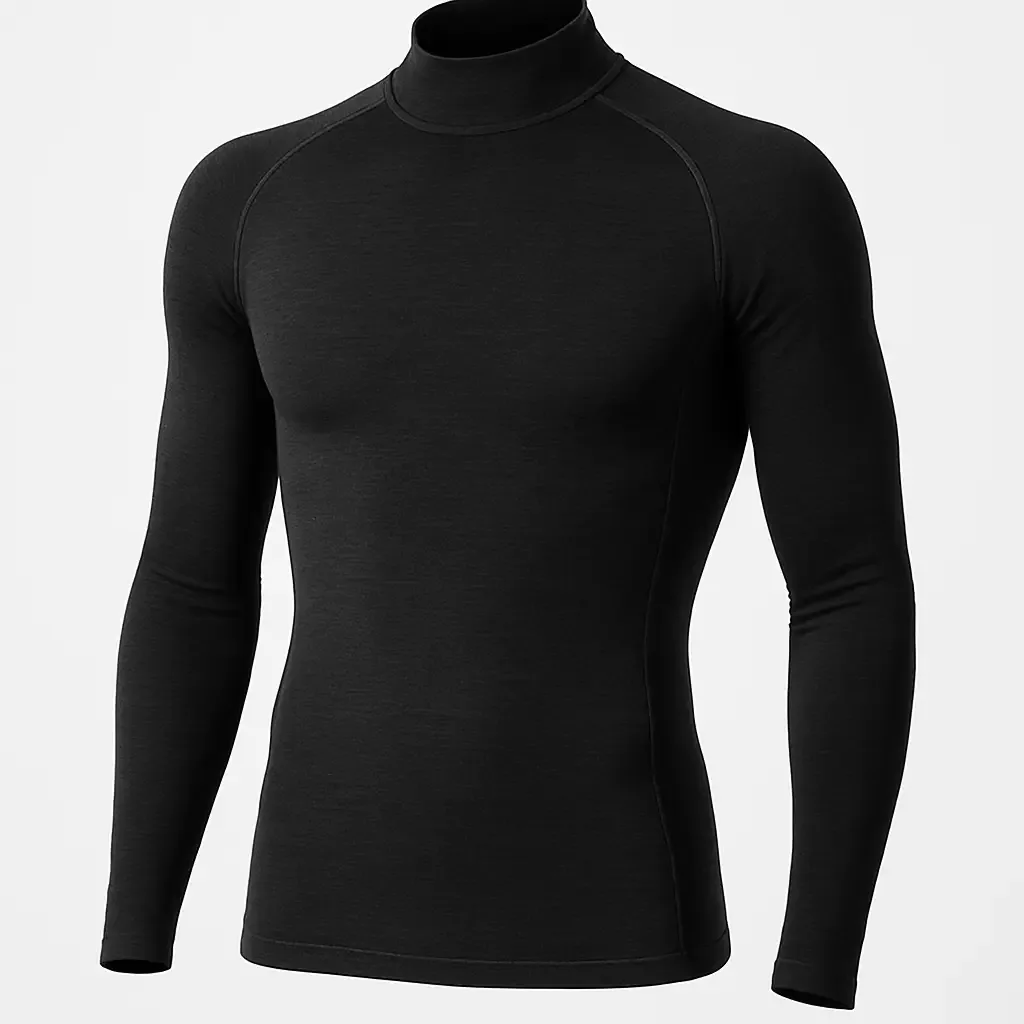
 Thermal Base Layers
Thermal Base Layer Bottoms — Long Johns
SKU · MW-TI-002
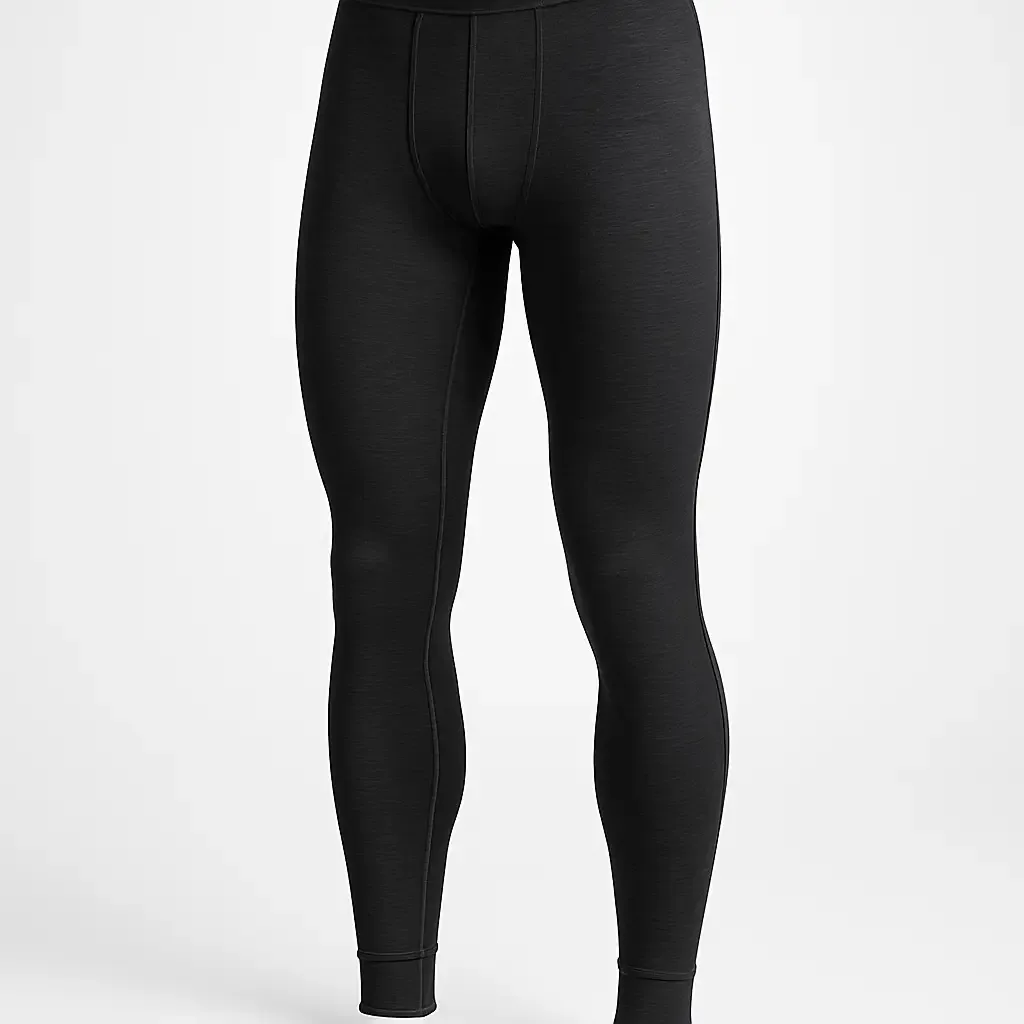
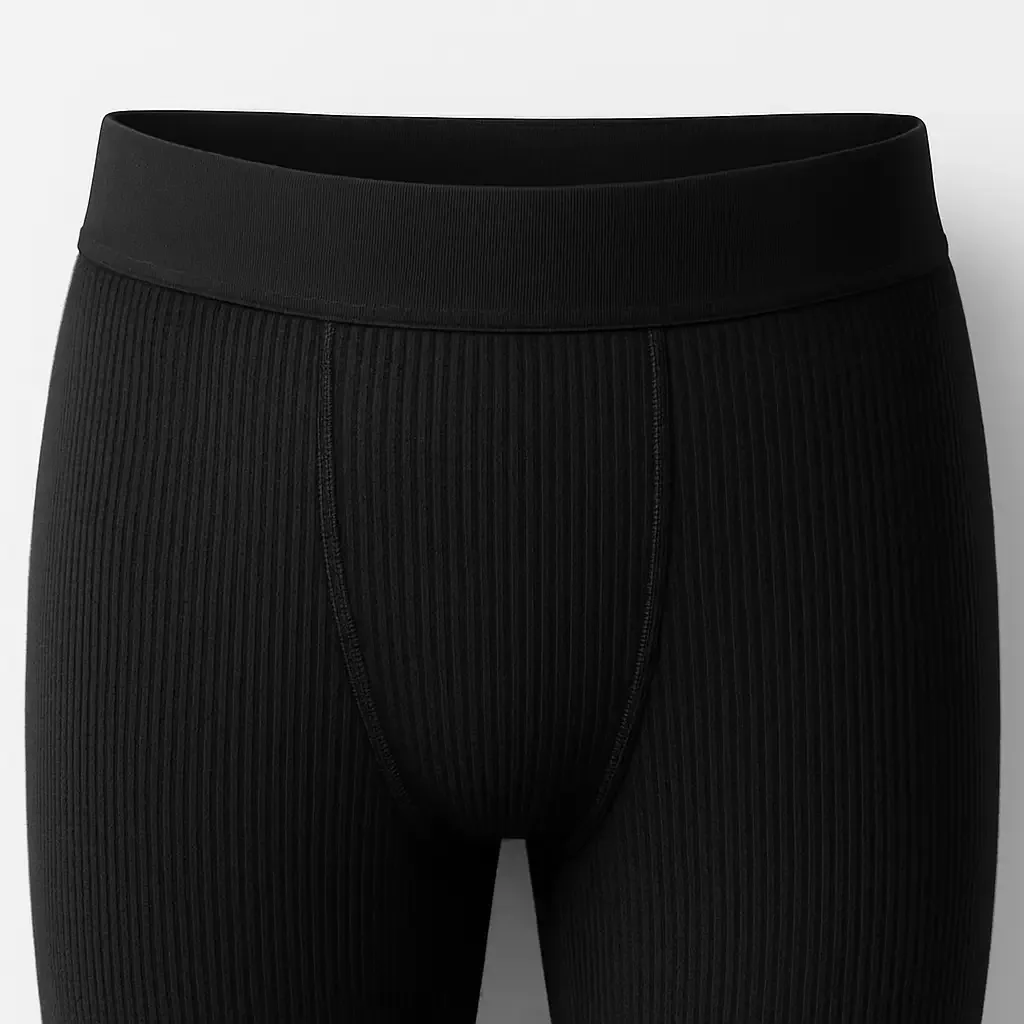
Thermal base layer bottoms for cold-site teams — thin, not bulky, worn under work trousers. An alternative to buying thicker winter trousers. Min. 100 pieces.
Average unit price · excl. VAT
≈ €10.08/pc
100 pcs
Estimated total €1,008
Indicative price converted from Turkish lira at the Central Bank of the Republic of Türkiye rate of 21 October 2026, excl. VAT. Request a quote for your exact export price.
Product description
Thermal Base Layer Bottoms
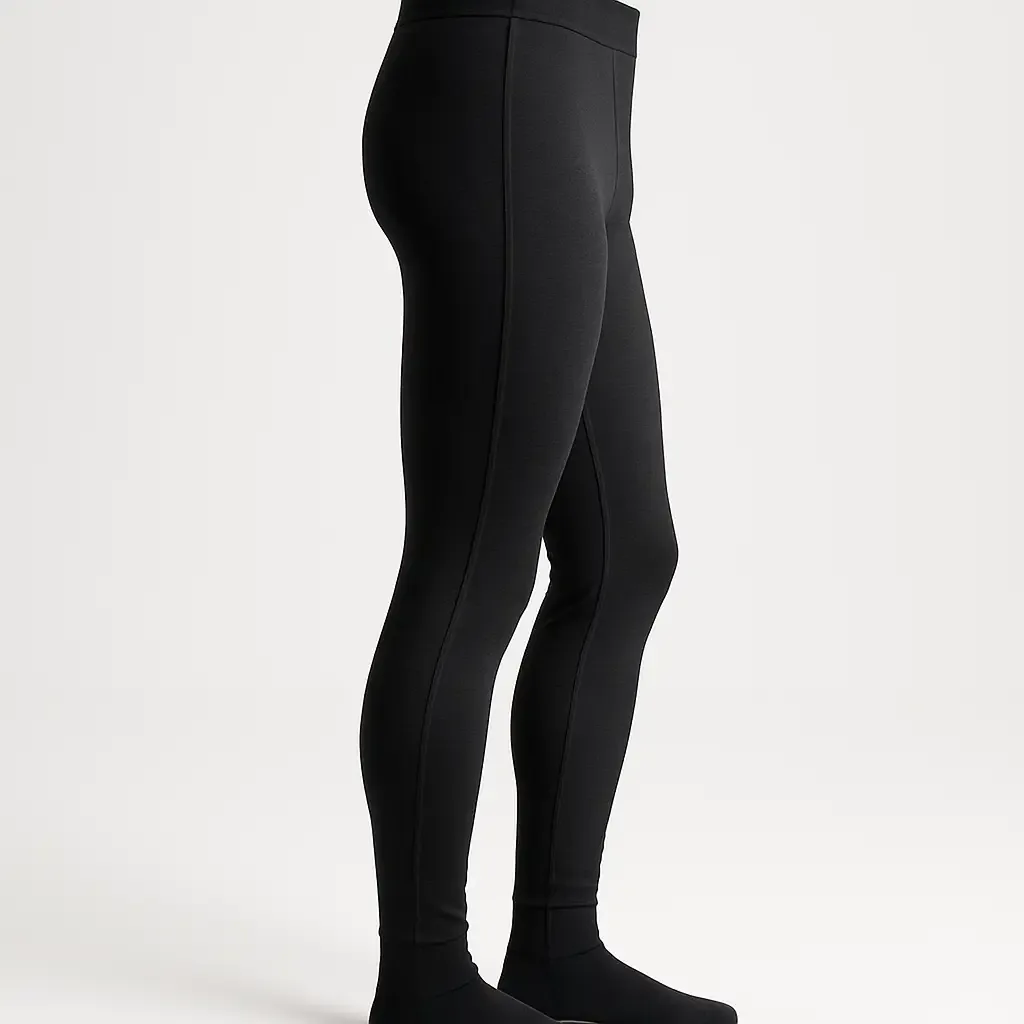
The first link in layered clothing on the legs. Worn under work trousers, they add no bulk and move sweat away from the skin.
Mars Wear supplies them for corporate buyers from a minimum of 100 pieces; standard delivery is 15 working days.
Why Do Legs Get Cold First?
Most investment in winter uniforms goes to the upper body — jackets, gilets, fleece. The legs usually get by with a single layer of trousers.
Yet the legs have less fatty tissue and more surface area than the torso; exposed to wind, they lose heat quickly. On site the legs are also constantly moving — walking, crouching, climbing stairs — and moving legs sweat.
The result: staff with a good jacket but a single layer of trousers get cold legs while their upper body stays warm.
A Base Layer Instead of Thicker Trousers
The first solution that comes to mind is buying thicker winter trousers. That creates two problems:
- Restricted movement. Thickly lined trousers resist crouching and climbing stairs; staff are more tired at the end of the day.
- No seasonal flexibility. Thick trousers make staff sweat on mild days; they stop wearing them, go back to thin trousers and get caught out on a cold day.
A thin thermal base layer + normal trousers solves both problems: the base layer comes off on a mild day and goes on on a cold one. The same trousers work in both situations.
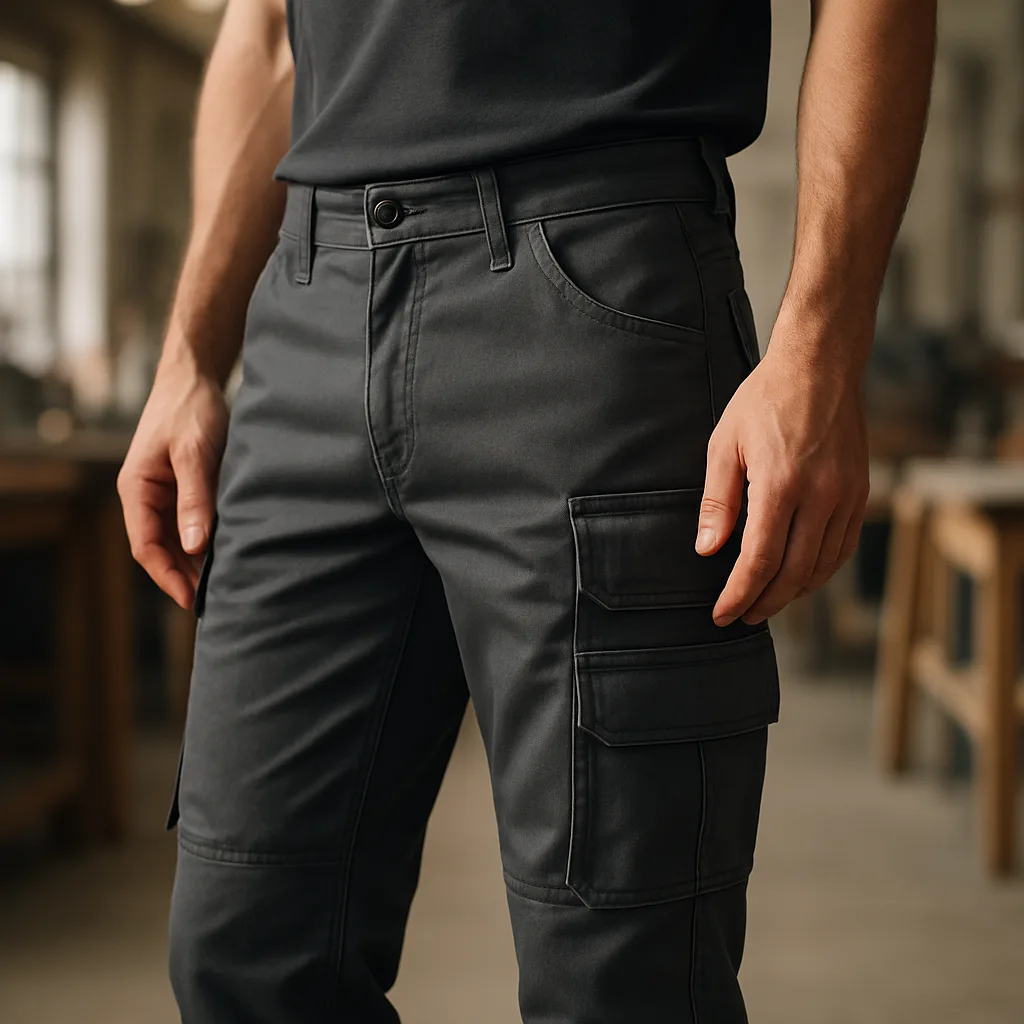
For comparison, on our winter work trousers page we explain the choice between fleece-lined and tightly woven gabardine; a base layer is the third option in that choice.
Cotton Works Against You Here Too
Before keeping you warm, a thermal base layer's job is to move sweat away from the skin. Cotton absorbs and holds sweat; wet fabric carries heat away much faster than dry fabric. Staff are warm while moving and get cold when they stop.
A base layer must also fit close to the body. It takes sweat away through contact; a loose base layer that does not touch the skin cannot transfer moisture. That is why we collect the size breakdown separately in corporate orders — for a base layer, size matters more than for any other piece.
Even More Critical for Teams in Coveralls
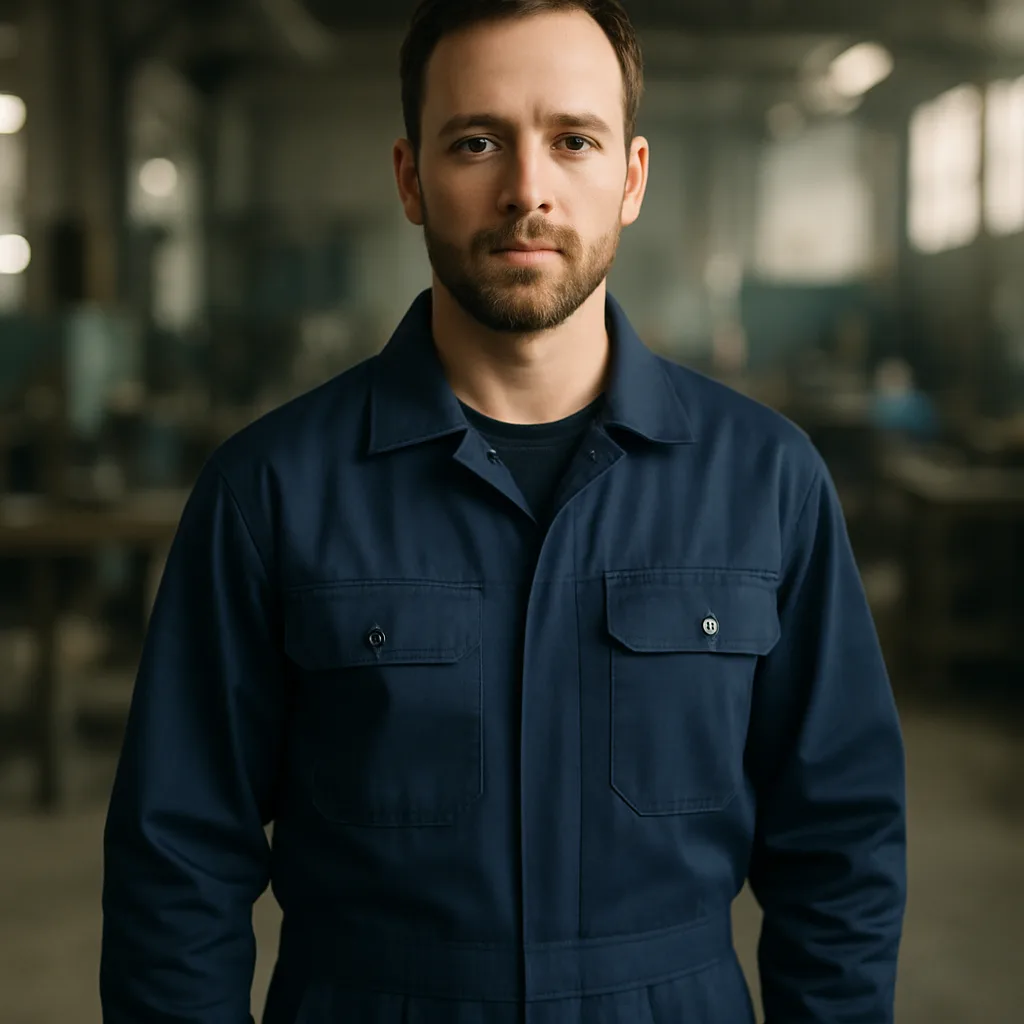
Because a coverall is one piece, there is no way to take a layer off during the day; warmth can only be adjusted underneath. For teams wearing coveralls, a thermal base layer is not an optional accessory but part of the system.
For the same reason it matters that the base layer is thin: a thick base layer adds bulk inside the coverall, restricts movement and crushes the insulating gap.
Which Teams Are They For?
- Outdoor winter operations — construction sites, roads, power lines
- Cold stores and freezers
- Teams who wear coveralls — the only place where layering can be adjusted
- Motorcycle couriers and open vehicles — movement wind
- Outdoor night-shift teams
Ordering and Care
Our minimum order is 100; shipping within Türkiye and abroad.
- Do not use fabric softener — it destroys the fibres' ability to move moisture.
- Wash at 40 °C, inside out.
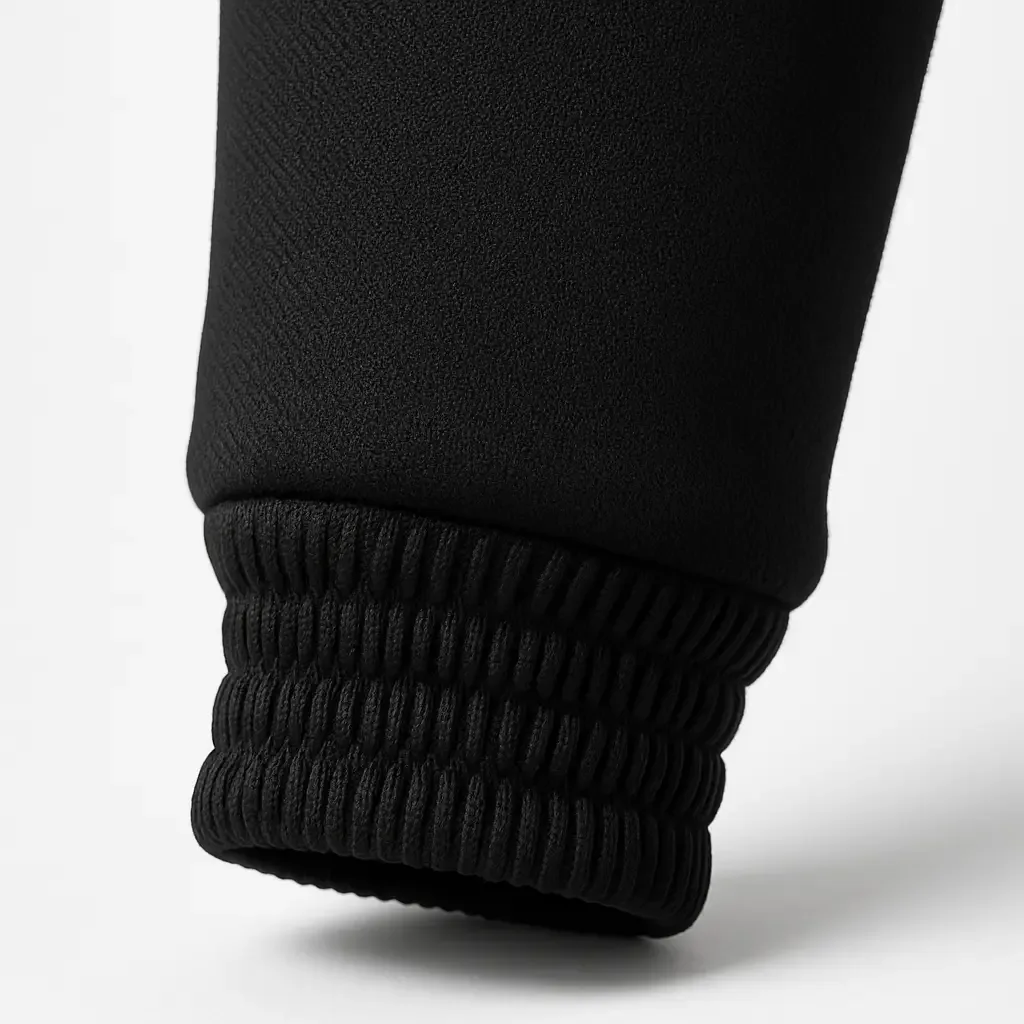
- High heat in a tumble dryer damages the elastic; use low heat or dry naturally.
- Once bagging starts at the knees and seat, the base layer no longer fits close and loses its function.
Frequently Ordered Together
- Thermal Base Layer Top — planned as a set
- Thermal Socks — the same moisture logic applies to feet
- Winter Work Trousers — the outer layer
For all options, see the thermal base layers and winter workwear categories.
Frequently Asked Questions
Should we buy a base layer instead of thick winter trousers? A thin base layer + normal trousers is more flexible: the base layer comes off on a mild day and goes on on a cold one. Thick trousers cause sweating on mild days and restrict movement.
Won't cotton long johns do? No. Cotton absorbs and holds sweat; wet fabric carries heat away quickly. Staff get cold when they stop.
Loose or close-fitting? Close to the body without squeezing. A base layer that does not touch the skin cannot transfer moisture.
Our team wears coveralls — do they need them? Yes, even more so — a coverall offers no way to take a layer off during the day; warmth can only be adjusted underneath.
What is your minimum order? 100 pieces.
Similar products
Thermal Base Layers