












Blue-Collar Staff Workwear: A Guide by Sector
TL;DR: Blue-collar staff are the workforce in physical and operational jobs, working in sectors such as construction, factories, logistics, warehousing and supermarkets. Because every sector's risks are different, so is the clothing: from hi-vis to coveralls, from polos to work trousers. Mars Wear produces logo uniforms for every blue-collar sector from a minimum of 100 pieces.
What Does Blue-Collar Mean?
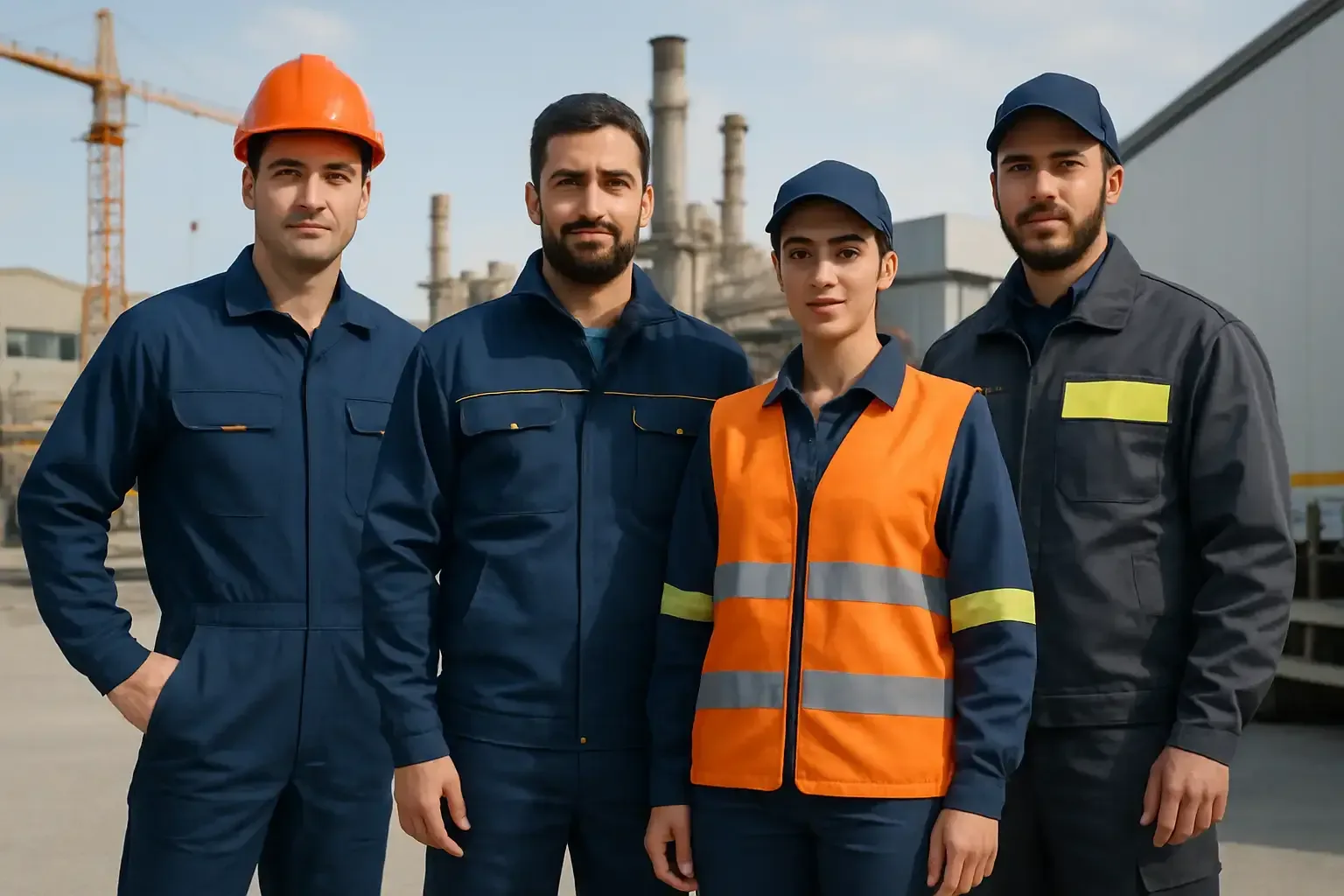
Blue-collar describes staff working in physical or operational jobs outside the office. The term comes from the hard-wearing blue work shirts workers used to wear. Production, construction, transport, warehousing and retail floor jobs fall into this group. The shared need: hard-wearing, functional clothing suited to the sector.
Why Does Blue-Collar Clothing Change by Sector?
Each blue-collar sector has a different dominant risk. On a construction site it is visibility and falling objects; in a factory, machinery and chemicals; in logistics, forklift traffic; in a supermarket, contact with customers. A one-size-fits-all "workwear" does not meet these risks; the right choice rests on a sector risk analysis.
Blue-Collar Clothing by Sector
| Sector | Dominant risk | Recommended clothing |
|---|---|---|
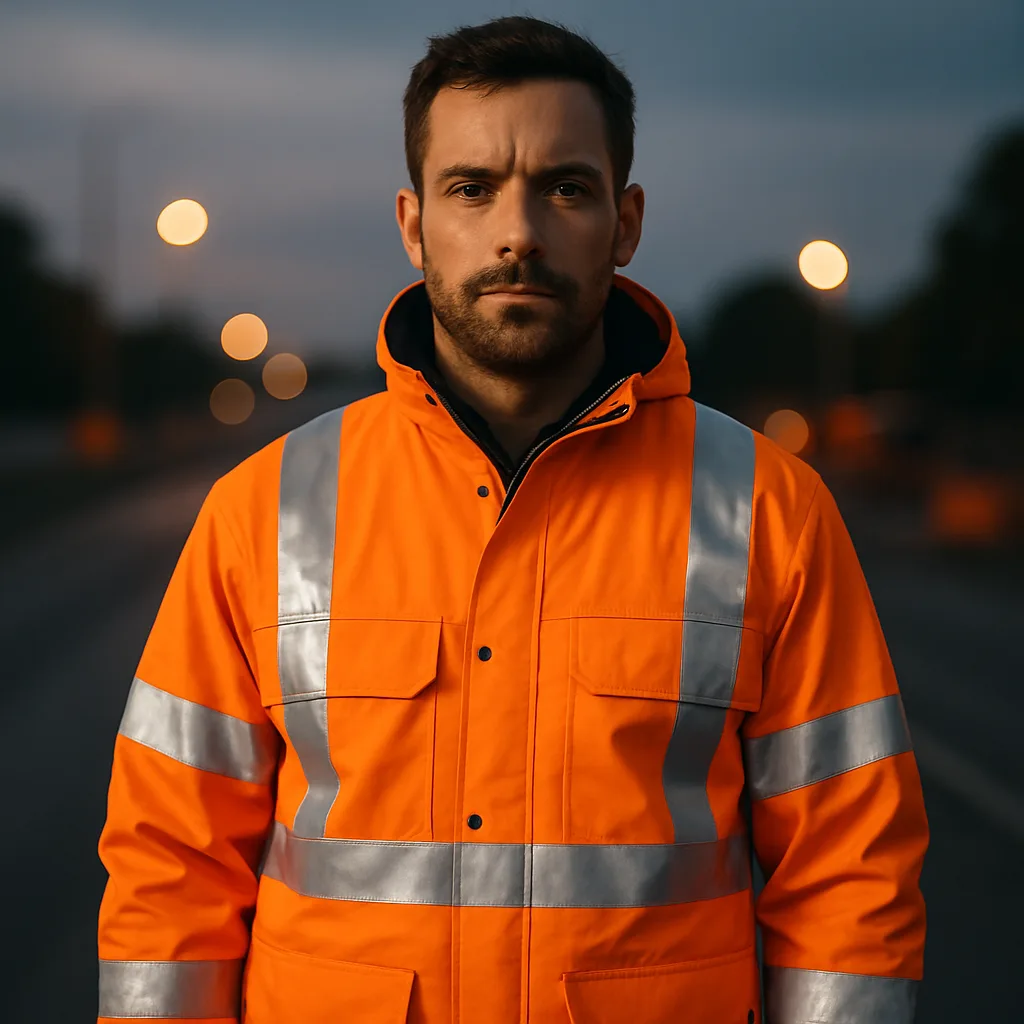
| Construction / site | Falling objects, vehicle traffic | Hi-vis top, hard hat, S3 boots |
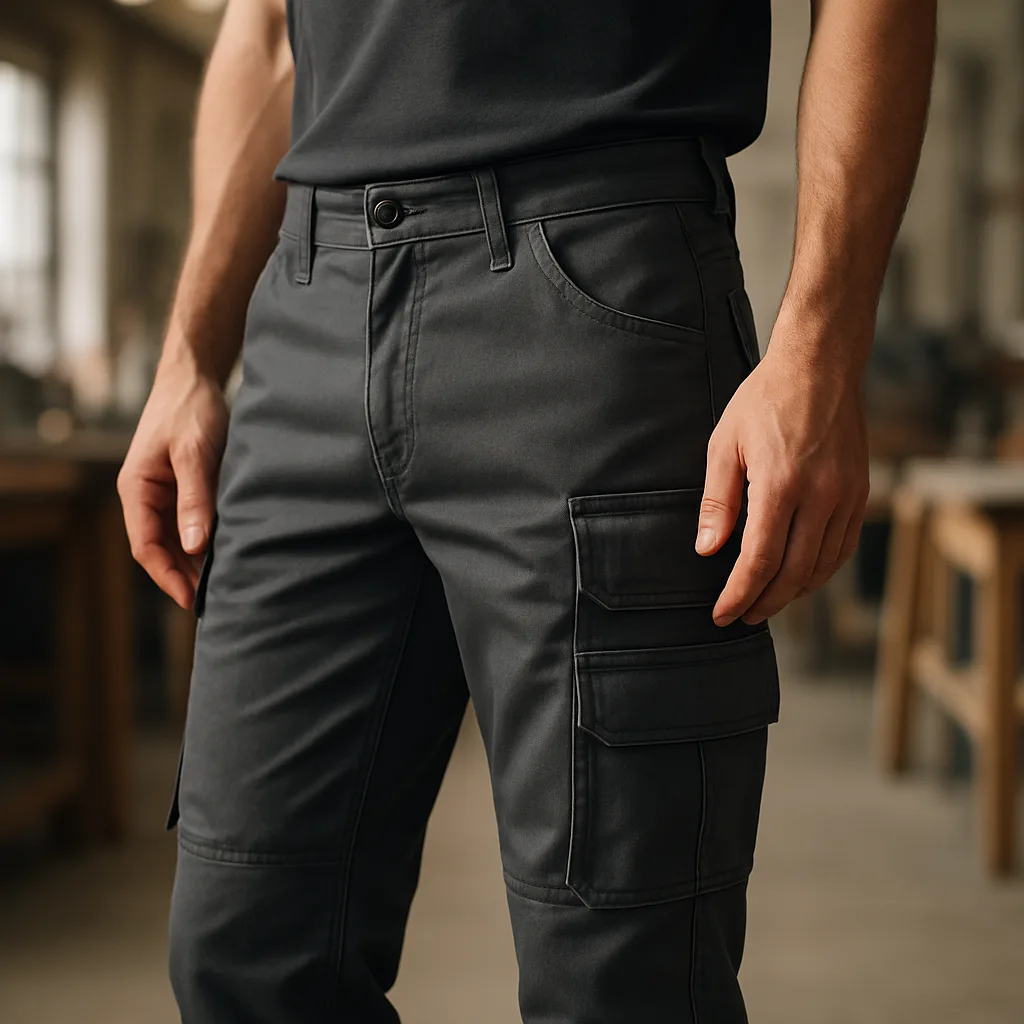
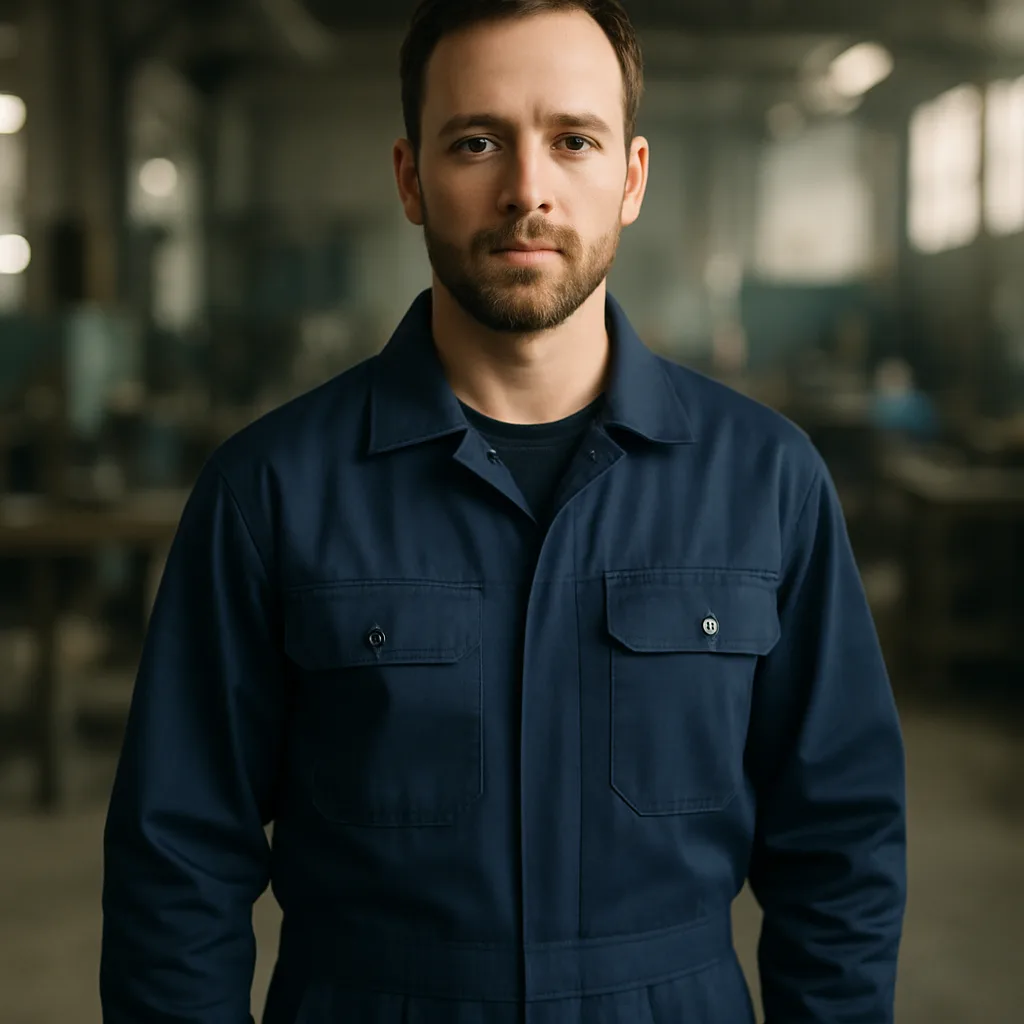
| Factory / production | Machinery, splashes, swarf | Work coverall, gabardine trousers |
| Logistics / warehouse | Forklift traffic, loads | Hi-vis vest, hard-wearing trousers |
| Supermarket / retail | Customer contact, hygiene | Polo, gilet, apron |
| Cleaning | Chemicals, wet conditions | Apron, hard-wearing T-shirt |
Construction Site Staff
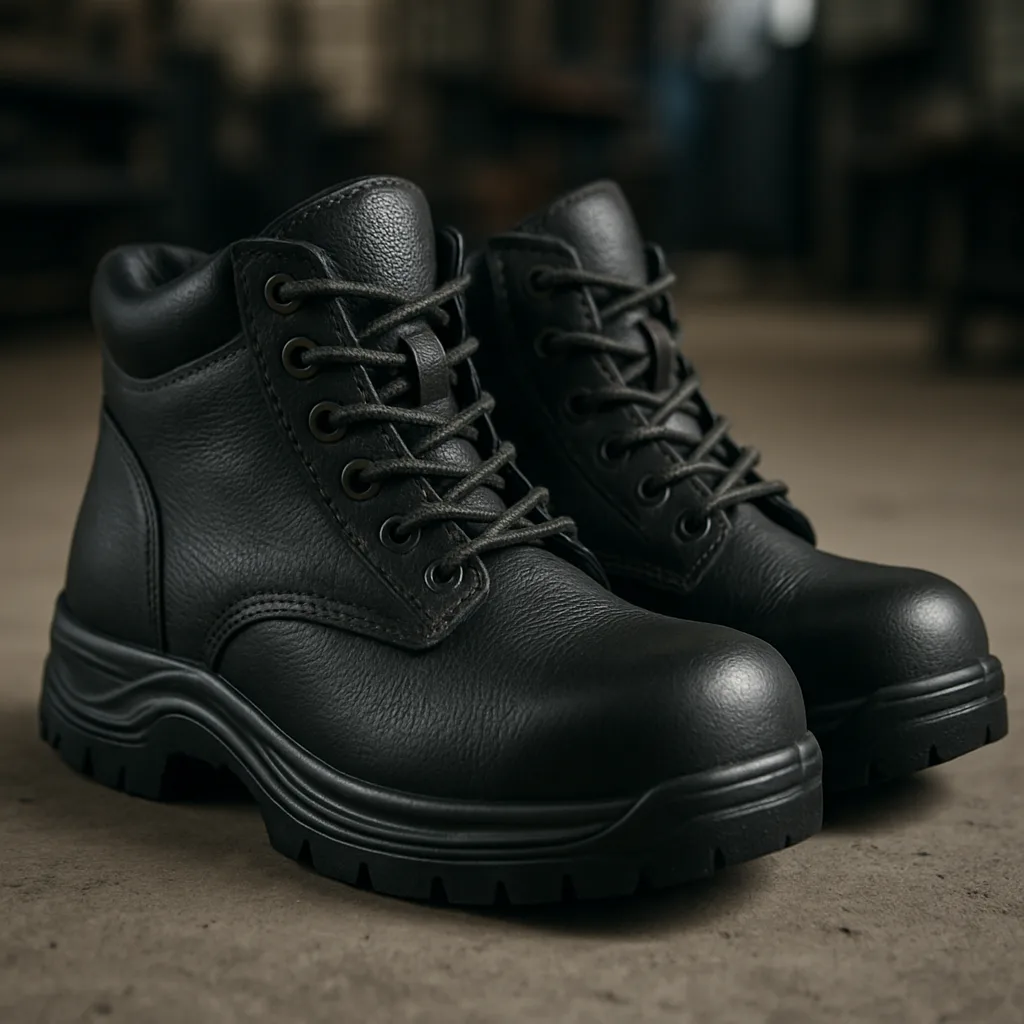
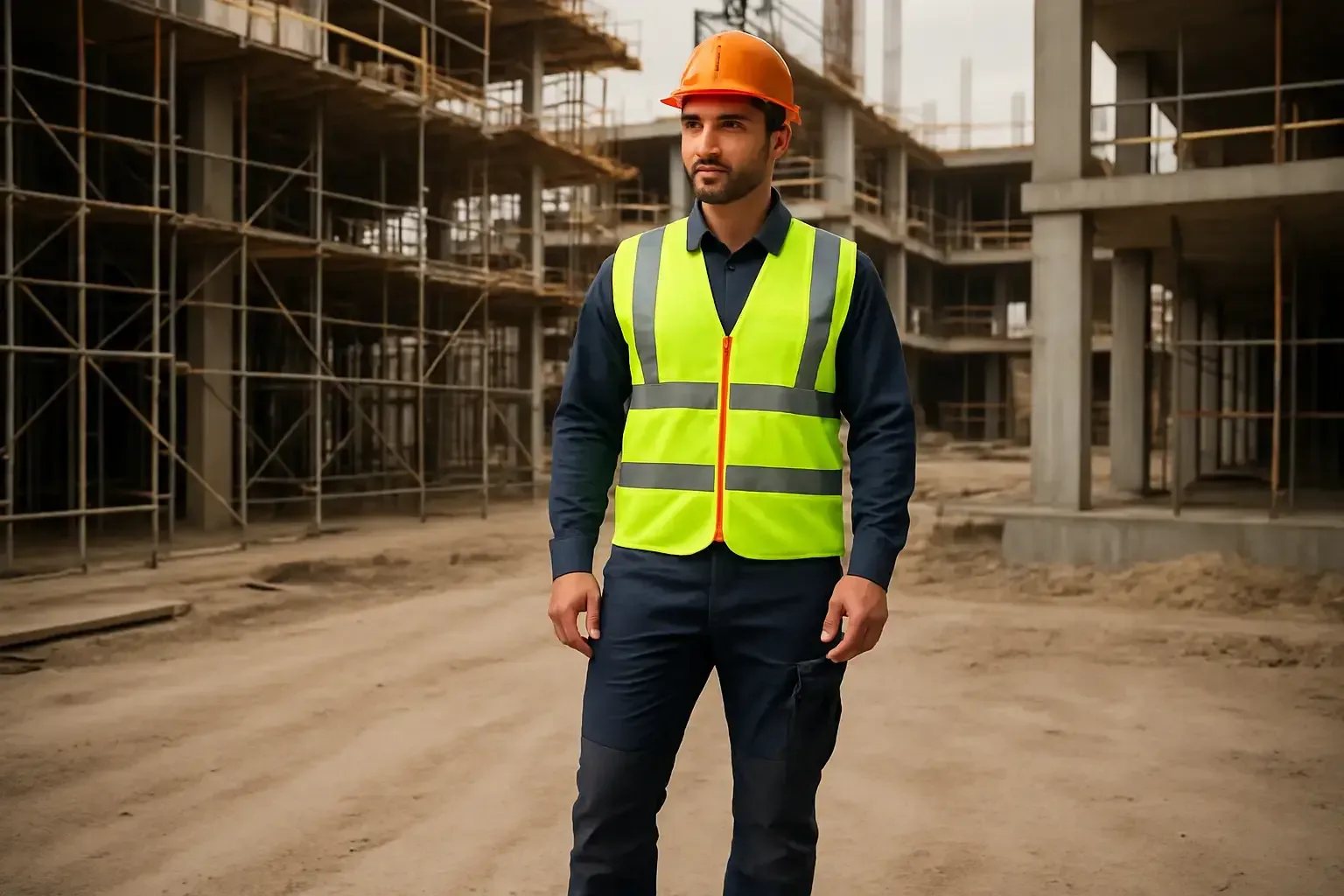
On a construction site, visibility and head protection come first. An EN ISO 20471 Class 2/3 hi-vis top, an EN 397 hard hat and EN ISO 20345 S3 boots are the basic set. Hard-wearing gabardine trousers protect against mechanical wear. For the detailed set, see the construction site workwear guide.
Factory and Production Staff
On the production line, the risks of machinery, swarf and splashes stand out. A work coverall protects the body in one piece; gabardine work trousers and a hard-wearing T-shirt give a flexible combination. OEKO-TEX fabric gives skin safety on long shifts. For details, see the factory and production staff workwear page.
Logistics and Warehouse Staff
In warehouses and distribution centres, forklift and vehicle traffic is the biggest risk. A hi-vis vest provides visibility; hard-wearing trousers and a comfortable T-shirt suit the movements of loading and unloading. The details are on the logistics and warehouse staff workwear page.
Supermarket and Retail Staff
Retail floor staff are in contact with customers; recognisability and hygiene matter rather than protection. A polo shirt, a coloured gilet and an apron create a consistent store look. Departments are distinguished by colour. For details, see the supermarket and retail staff uniforms page.
Standards and PPE: Common Ground
In blue-collar jobs that involve risk, personal protective equipment is a legal requirement. EN ISO 20471 applies to hi-vis clothing, EN 397 to hard hats and EN ISO 20345 to safety boots. You will find the framework in the PPE guide, choosing a reflective class in the EN ISO 20471 guide and the general guide in the safety workwear sector guide.
Fabric and Weight: The Foundation of Blue-Collar Wear
Operational work wears clothing out quickly. Gabardine (a cotton-polyester blend) gives high abrasion resistance, while piqué and single jersey knits give breathability. Above 245 g/m² is ideal for site work, 200 g/m² piqué for retail. The right weight decides lifespan and comfort together.
One Supplier for Every Blue-Collar Sector
Mars Wear produces logo uniforms for every blue-collar sector, from construction to supermarkets, from a minimum of 100 pieces. Working with one supplier keeps the colour, quality and logo standard consistent across all departments. Teams from different sectors are dressed under the same corporate umbrella.
Frequently Asked Questions
What is the difference between blue-collar and white-collar clothing?
With blue-collar clothing, durability, protection and function come first; it includes work trousers, coveralls and hi-vis. White-collar clothing is office-based and corporate. Mars Wear focuses on blue-collar operational uniforms.
Is the same clothing suitable for every blue-collar sector?
No. A construction site needs hi-vis and a hard hat, a factory coveralls, a supermarket polos. The sector's dominant risk decides the clothing; a one-size-fits-all solution falls short.
Which fabric is preferred for blue-collar clothing?
For site work, gabardine and ripstop give durability; in retail, piqué and single jersey knits give comfort. The weight is chosen between 200 and 300 g/m² depending on the sector.
Can teams from different sectors be produced in a single order?
Yes. Mars Wear can produce construction, factory, logistics and supermarket teams in the same order to a single corporate standard. It starts from a minimum of 100 pieces.
Related Guides
- Staff Clothing: A Sector Solutions Guide — the main clothing guide for every sector
- Safety Workwear: A Sector Guide — the protective clothing framework for risky blue-collar jobs
Get a Quote for Your Team
Whatever blue-collar sector you are in, Mars Wear produces a logo uniform that suits your team. Request a quote now and let us design the right solution for your sector together.
Keep reading
 Sector Guides
Supermarket and Retail Staff Uniforms: Polos, Gilets, Aprons
Polo, gilet and apron uniforms for supermarket chain and store staff. Hard-wearing bulk production with your logo, from 100 pieces. Get a quote now.
 Sector Guides
Construction Site Workwear: A Guide to Hi-Vis, Hard Hats and S3 Boots
Hi-vis workwear, hard hats, S3 boots and hard-wearing trousers. EN ISO 20471 compliant site clothing. Production from 100 pieces. Get a quote now.
 Sector Guides
Logistics and Warehouse Staff Workwear: A Buyer's Guide
Logistics and warehouse staff workwear: reflective T-shirts, trousers and vests. EN ISO 20471 visibility. Logo production from 100 pieces — get a quote now.