













What Is PPE? A Guide to Personal Protective Equipment
Summary: PPE (personal protective equipment) is any device, item or garment that protects workers against health and safety risks at work. It covers head, eye, ear, respiratory, hand, foot and body protection. Under Turkish Law No. 6331, the employer is obliged to provide PPE free of charge, make sure it is used and replace it.
What Is PPE?
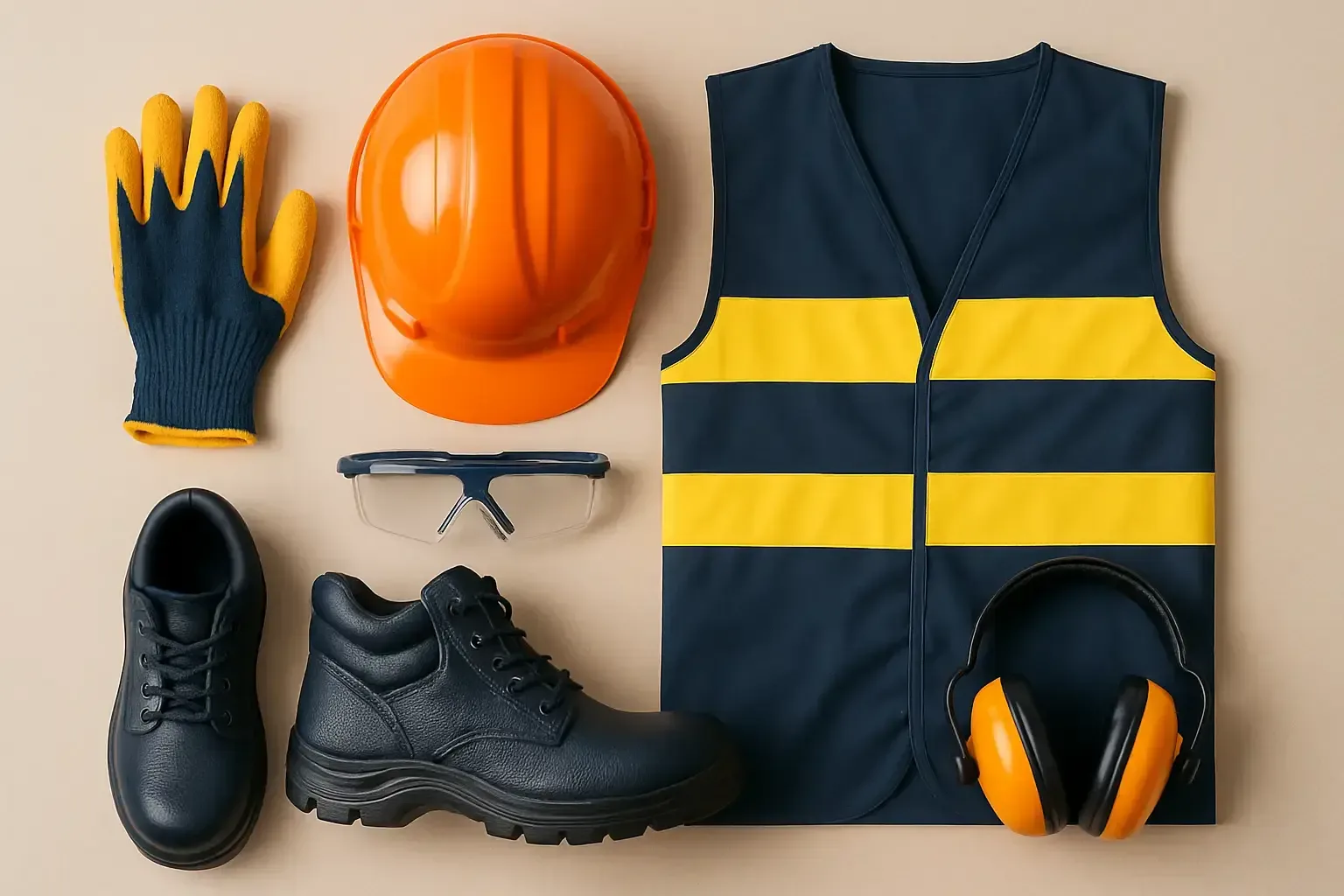
PPE stands for "personal protective equipment". It describes all equipment that a worker wears, carries or uses to be protected against one or more health and safety risks. It covers a wide family of products, from hi-vis vests to steel-toe shoes, from hard hats to work coveralls.
PPE is the last layer of protection, which comes into play when you cannot eliminate a risk at source. In the hierarchy of safety at work, engineering and administrative measures come first; if they cannot remove the risk completely, the individual worker is protected with PPE.
Which Categories Is PPE Divided Into?
PPE is classified by the part of the body it protects and the level of risk. The European Union (EU) Regulation 2016/425 and Türkiye's PPE Regulation divide equipment into three risk categories. The list below summarises PPE by area of protection.
- Head protection: Hard hats, protective headgear (EN 397).
- Eye and face protection: Safety glasses, face shields (EN 166).
- Hearing protection: Ear defenders, earplugs (EN 352).
- Respiratory protection: Masks, respirators (EN 149).
- Hand protection: Work gloves (EN 388).
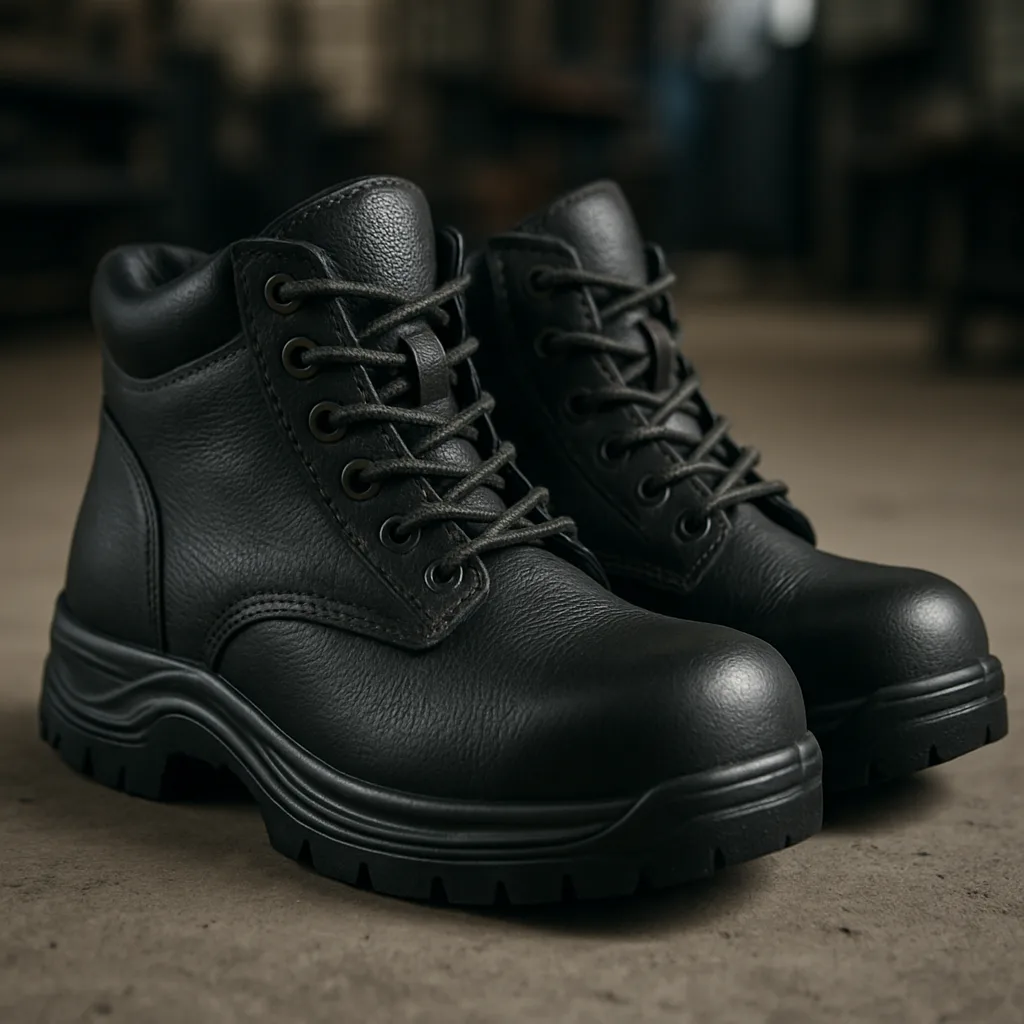
- Foot protection: Steel-toe shoes and boots (EN ISO 20345).
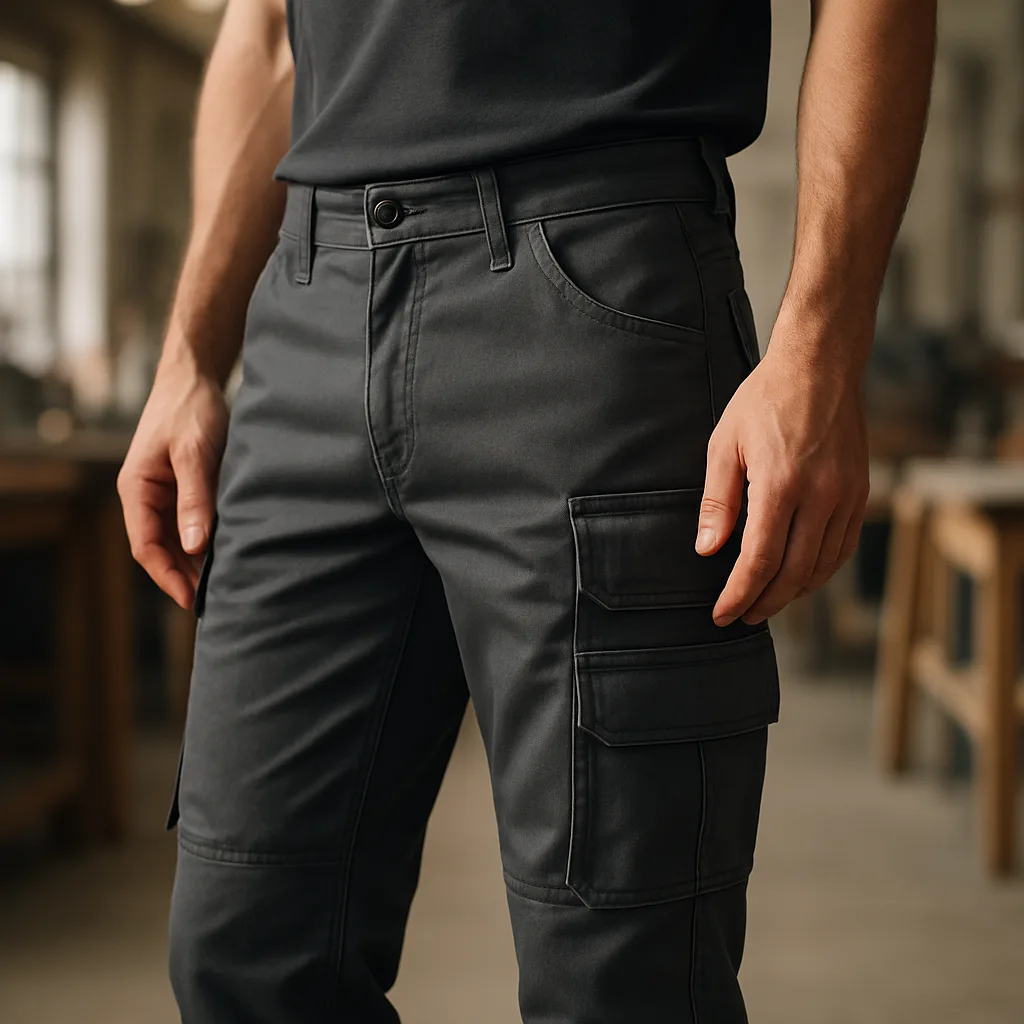
- Body protection: Work coveralls, hi-vis clothing, rainwear (EN ISO 20471).
PPE Risk Categories (I–II–III)
The PPE Regulation divides equipment into three categories according to the seriousness of the risk it protects against. The higher the category, the stricter the certification and inspection requirements. The table below compares the three categories.
| Category | Risk level | Example PPE | Certification |
|---|---|---|---|
| Category I | Low (superficial) | Light work gloves, sunglasses | Manufacturer's self-declaration |
| Category II | Medium | Hi-vis vest, hard hat, safety glasses | Notified body (EU type examination) |
| Category III | High (fatal / irreversible) | Breathing apparatus, fall arrest, chemical suit | EU type examination + annual surveillance |
What Is the Difference Between PPE and Workwear?
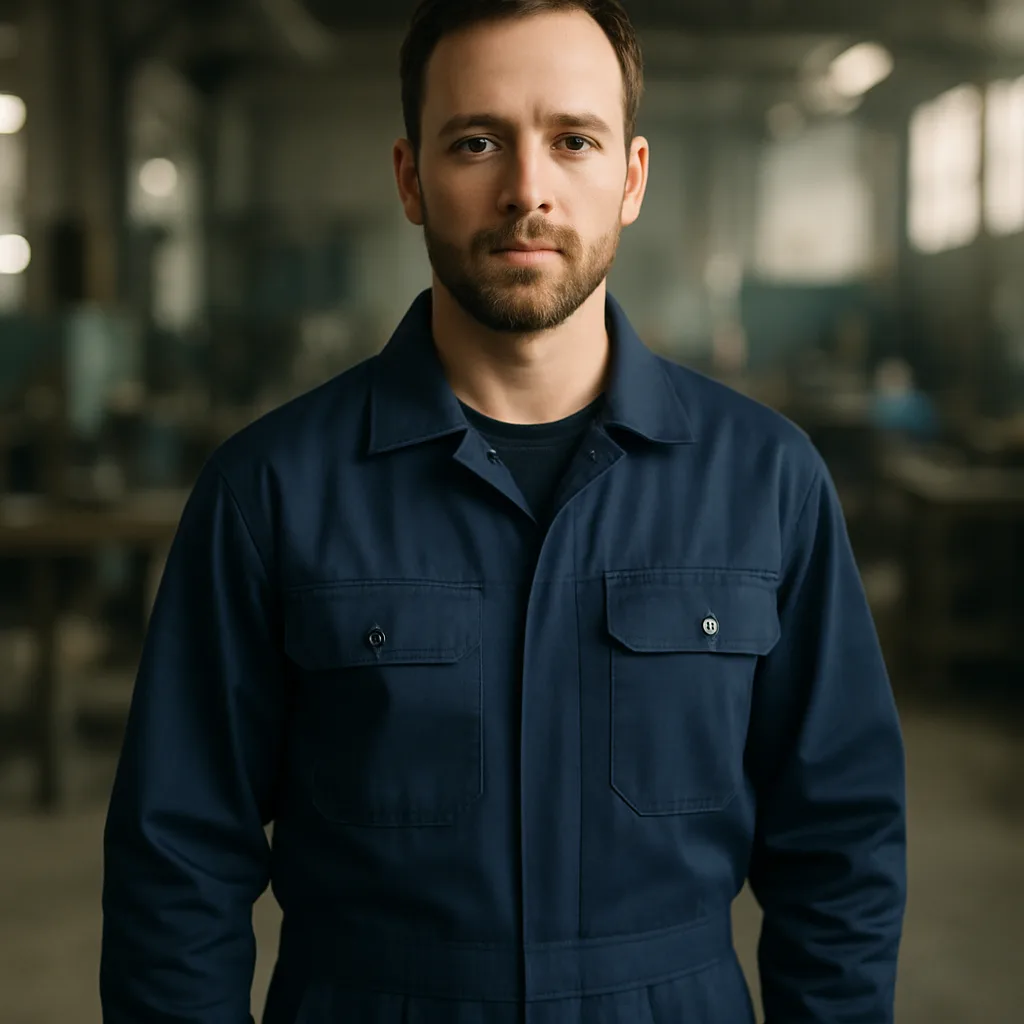
Not all workwear is PPE, but clothing that performs a protective function falls under PPE. A standard logo polo shirt is a staff uniform; an EN ISO 20471 certified hi-vis coverall, on the other hand, counts as Category II PPE because it protects the wearer against the risk of not being seen.
The distinction matters in practice: clothing that qualifies as PPE must be made to the relevant EN standard, carry the CE mark and be provided free of charge by the employer. Mars Wear produces both corporate uniforms and standard-compliant protective textiles from a single source.
What Are the Employer's PPE Duties?
Turkish Occupational Health and Safety Law No. 6331 places responsibility for providing PPE directly on the employer. The employer provides the PPE deemed necessary by the risk assessment to workers free of charge, checks that it is used and replaces worn equipment. This obligation cannot be charged to the worker.
The employer is also responsible for training workers in the correct use of PPE, documenting that the equipment is to a standard suited to the workplace risks, and keeping records.
Employer PPE Supply Steps
Supplying the right PPE is a systematic process. The steps below help the employer ensure legal compliance and worker safety at the same time.
- Carry out a workplace risk assessment and identify the types of risk.
- Match each risk to the required PPE standard (e.g. visibility → EN ISO 20471).
- Source CE-marked, standard-compliant equipment in bulk.
- Issue it to workers against a signed record and give training on its use.
- Replace equipment when it wears out and at the change of season.
What Should You Look For When Choosing PPE?
Choosing PPE starts with defining the risk correctly. Equipment chosen to the wrong standard gives no protection and creates non-compliance at inspection. The fabric weight, stitching quality and chemical safety certificates such as OEKO-TEX are decisive, especially for body protection textiles.
In corporate purchasing, durability, the range of sizes (XS–5XL) and logo/embroidery compatibility should be assessed alongside the standard. With bulk production starting from 100 pieces, Mars Wear produces hi-vis textiles to the EN standard in line with your corporate identity.
Frequently Asked Questions
What does PPE stand for?
PPE stands for "personal protective equipment". It covers all devices, items and clothing that protect workers against workplace risks.
Does the worker pay for PPE?
No. Under Turkish Law No. 6331, the employer provides PPE free of charge. The cost of the equipment can in no way be recovered from the worker or deducted from their wages.
What category of PPE is a hi-vis vest?
An EN ISO 20471 certified hi-vis vest is usually Category II PPE. It protects the wearer against the risk of being struck due to poor visibility and requires a notified body certificate.
Does a work coverall count as PPE?
A standard work coverall counts as a uniform; however, if it provides certified protection against a specific risk such as flame, chemicals or visibility, it falls under PPE.
Related Guides
- Safety Workwear: A Sector Guide — choosing protective clothing by sector
- Construction Site Workwear — PPE for high-risk sites
- Factory and Production Staff Workwear — protective textiles on production lines
PPE and Protective Textile Production: Mars Wear
If, as an employer, you want to meet your PPE obligations with textiles that comply with the standards, are hard-wearing and suit your corporate identity, the right supplier is critical. With its production facilities in Zeytinburnu, Istanbul, Mars Wear produces hi-vis workwear, coveralls and security textiles to EN standards from a minimum of 100 pieces.
For your bulk PPE textile needs, get a free quote today. Related products and categories:
Keep reading
 Regulations and Standards
EN ISO 20471: A Guide to Reflective Classes
The difference between EN ISO 20471 Classes 1, 2 and 3, the hi-vis vest standard and matching classes to sectors. Get a quote for certified production.
 Regulations and Standards
OEKO-TEX Standard 100: A Guide to Corporate Textile Certification and Export Compliance
OEKO-TEX Standard 100: product classes, the chemicals tested, export requirements, the certification process, fabric types and corporate supply policy.
 Regulations and Standards
Hard Hat Colours and Their Meanings: A Hierarchy Guide for Sites, Factories and Logistics
Hard hat colours and their meanings: yellow, white, blue, green, red and orange. EN 397, the site hierarchy and a quote for bulk workwear.