












Safety Workwear: A Sector Guide
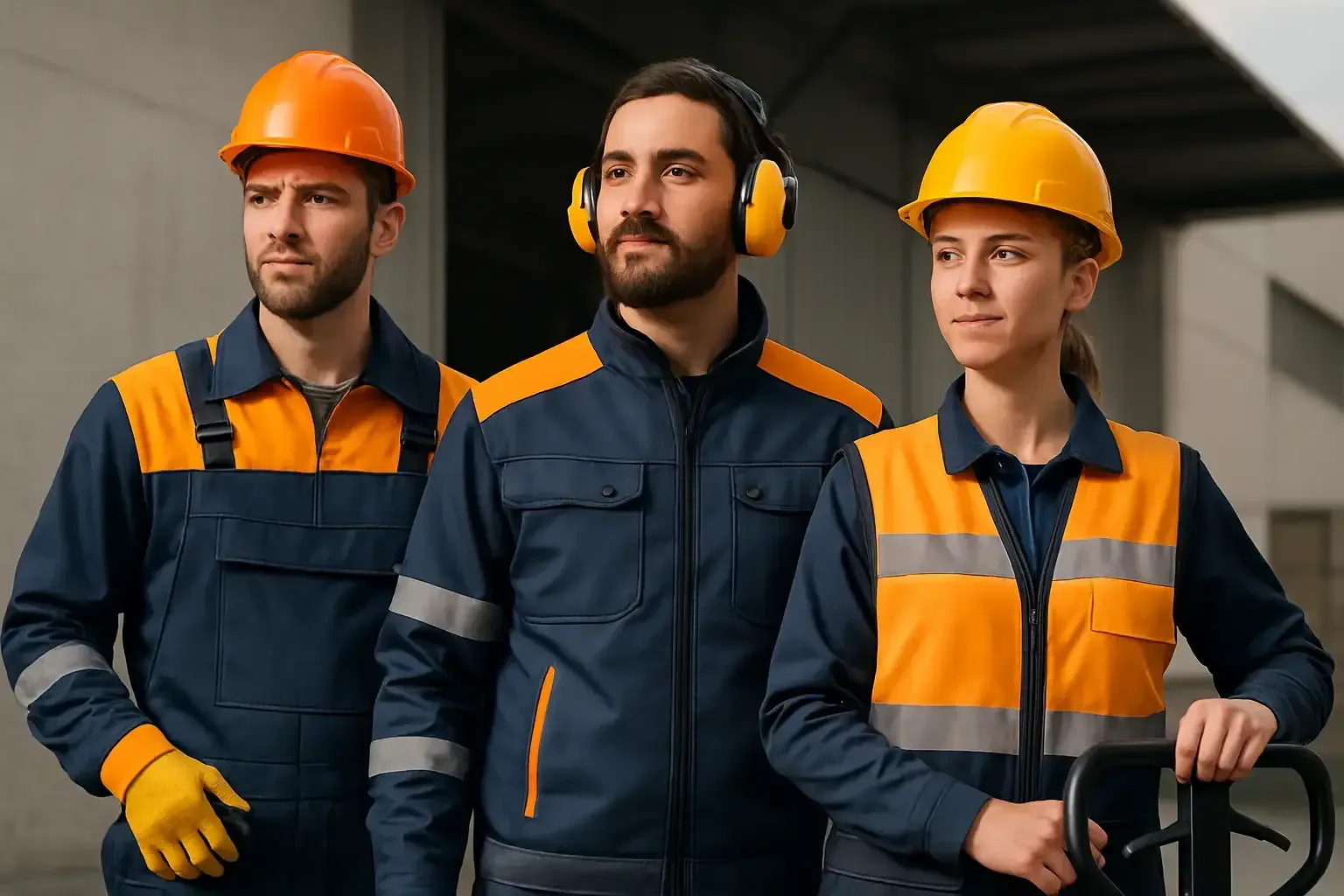
Summary: Safety workwear is protective clothing that protects the wearer against the physical risks specific to their sector and conforms to the relevant EN standard. The right clothing is chosen according to the sector's risk: on construction sites, visibility and impact stand out; in factories, abrasion and chemicals; in logistics, movement and visibility. The choice starts with a risk assessment.
What Is Safety Workwear?
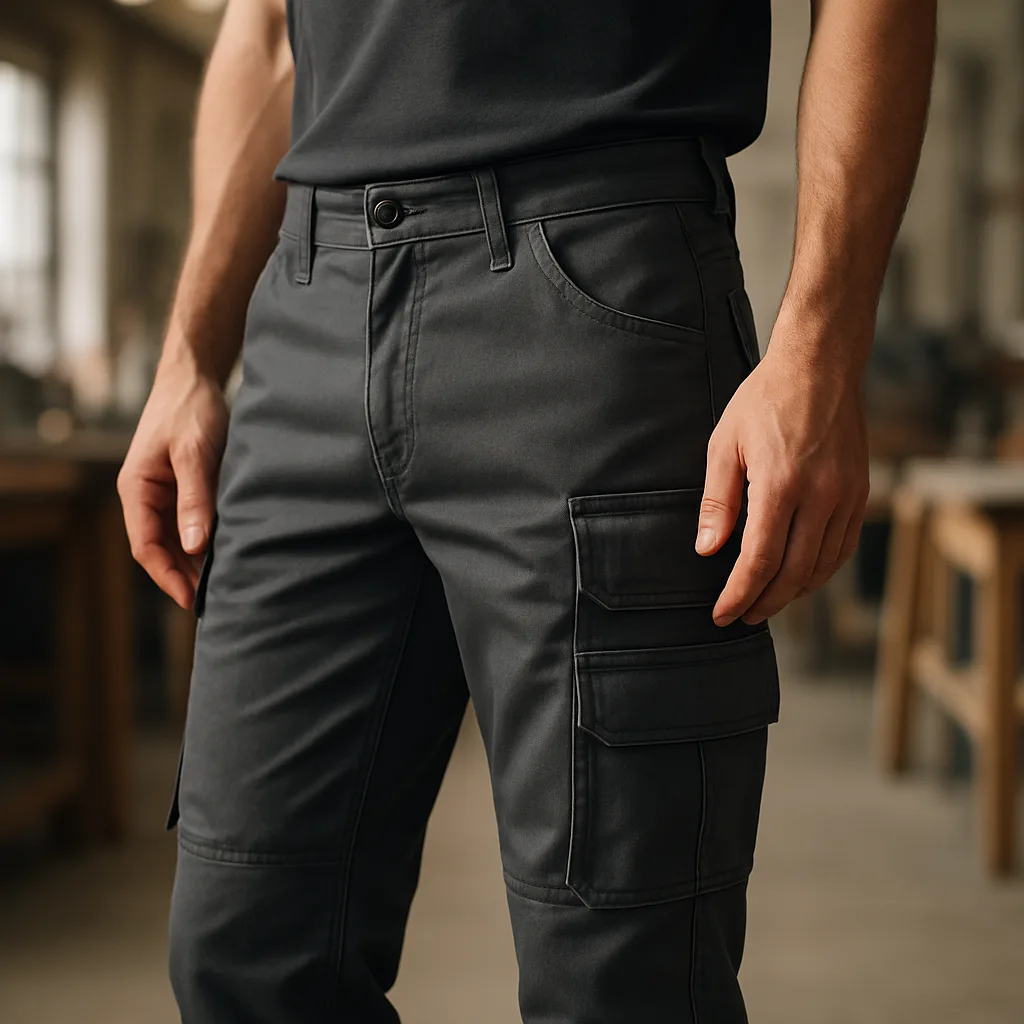
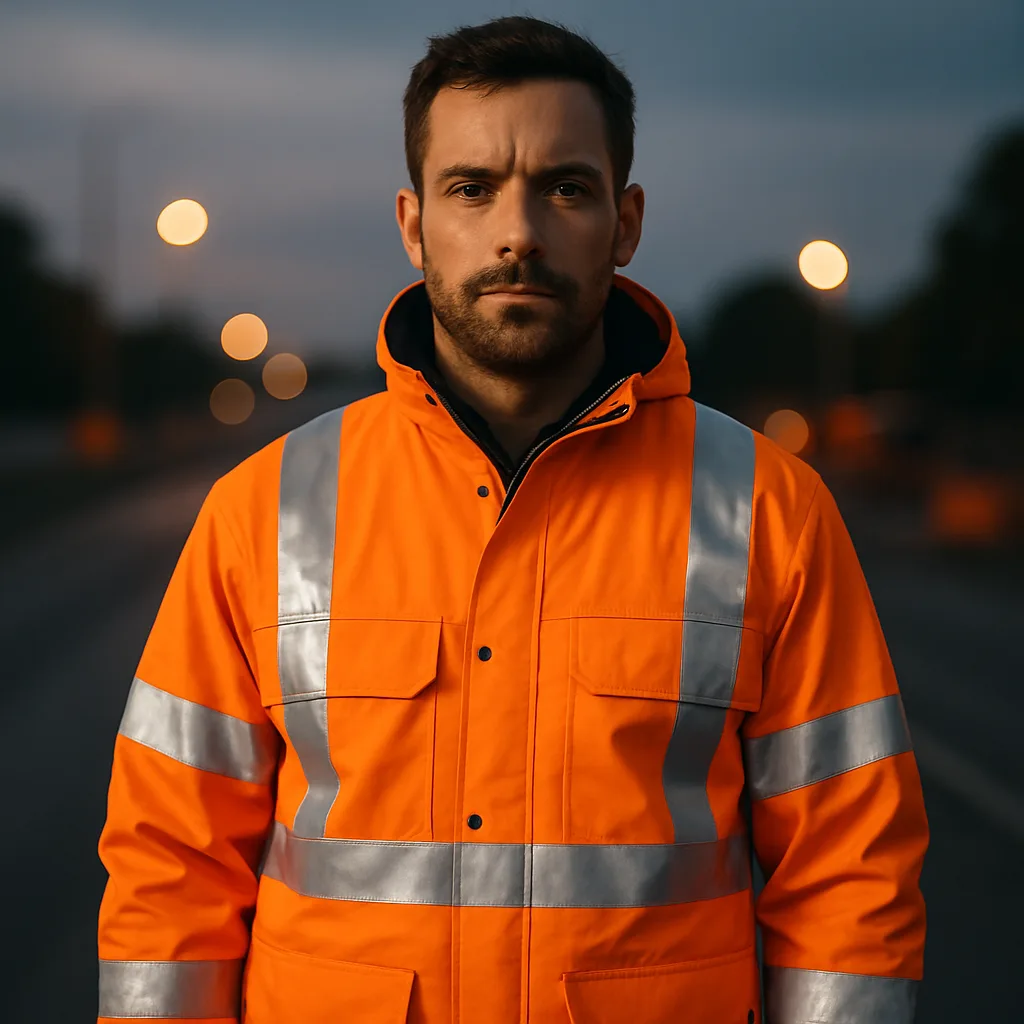
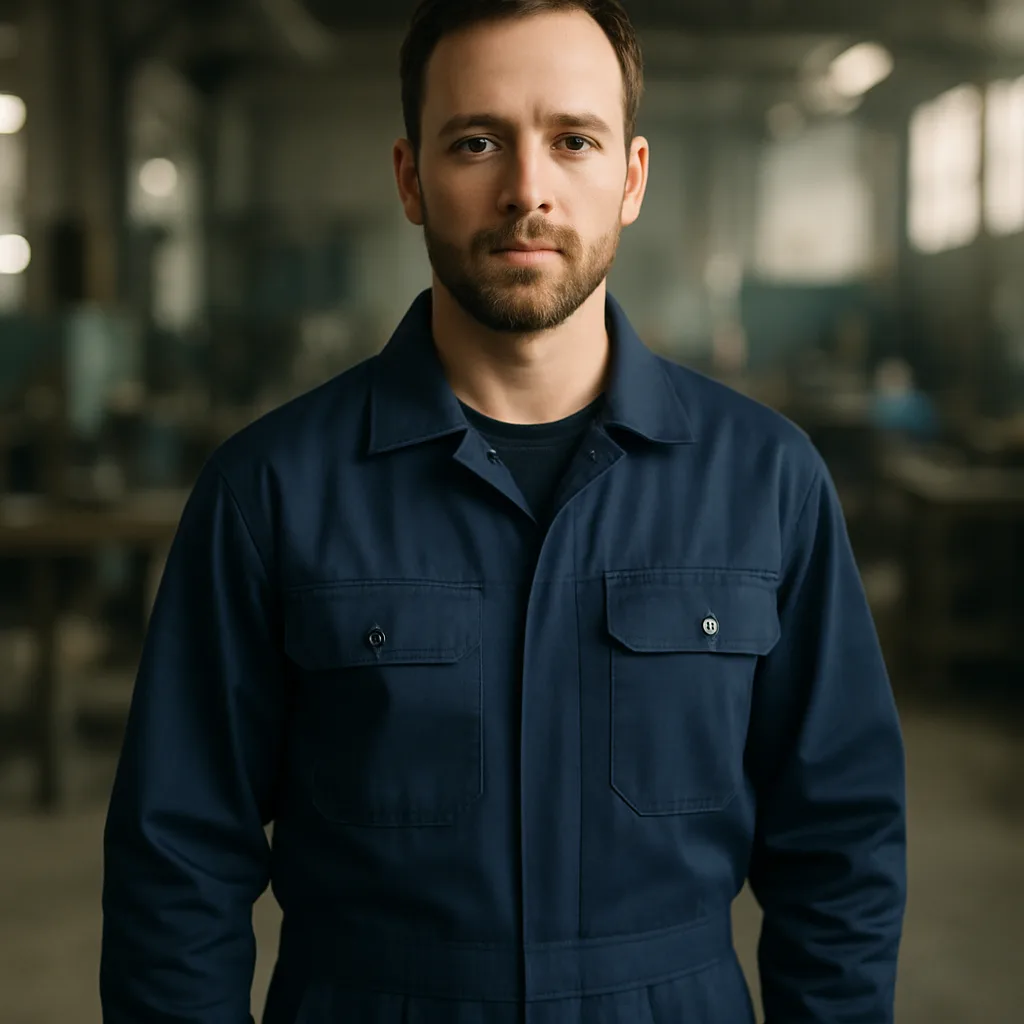
Safety workwear is clothing that protects the wearer against physical, mechanical or environmental hazards at work. What sets it apart from a standard uniform is that it provides certified protection against a specific risk. Hi-vis coveralls, trousers that work with steel-toe footwear and hard-wearing work jackets fall into this scope.
This clothing forms the last layer of protection in workplaces that cannot eliminate a risk at source. Under Turkish Law No. 6331, where the risk assessment deems it necessary, the employer must provide this clothing free of charge.
Sector–Risk–Clothing Matrix
Every sector's dominant risk is different, and that risk directly decides the choice of clothing. The matrix below matches common sectors with their dominant risks and the recommended type of protective clothing.
| Sector | Dominant risk | Recommended clothing | Related standard |
|---|---|---|---|
| Construction / site | Visibility, impact | Hi-vis coverall + hard hat compatibility | EN ISO 20471 |
| Factory / production | Abrasion, splashes | Hard-wearing work coverall, gabardine trousers | EN ISO 13688 |
| Logistics / warehouse | Movement, visibility | Hi-vis vest + flexible trousers | EN ISO 20471 Class 2 |
| Security | Recognisability, durability | A uniform set compliant with Turkish Law No. 5188 | Law No. 5188 regulation |
| Roads / municipal | Traffic, night-time visibility | Class 2–3 hi-vis ensemble | EN ISO 20471 |
| Food / production | Hygiene, cross-contamination | Light-coloured apron, HACCP-compatible textiles | HACCP / OEKO-TEX |
Key Criteria by Sector
The right safety workwear must meet not only the standard but also the operational reality of the sector. The points below summarise the criteria to prioritise by sector.
- Construction: High visibility, compatibility with hard hats and footwear, tear resistance.
- Factories: Heavy-weight fabric, chemical/splash resistance, strong seams.
- Logistics: Freedom of movement, reflective tape, resistance to heavy washing.
- Food: OEKO-TEX certified fabric, light colours, easy to clean.
- Security: Compliance with Law No. 5188, a corporate look, seasonal layers.
Steps for Choosing Safety Workwear
The sector name alone is not enough; every workplace should assess its own risk profile. The steps below help you decide on the right clothing systematically.
- Carry out a workplace risk assessment and identify the dominant risk.
- Identify the EN standard that matches the risk and, if needed, its class.
- Clarify the fabric, weight and durability criteria for your operation.
- Require chemical safety certificates such as OEKO-TEX.
- Plan bulk production with the size breakdown and corporate logo.
Fabric, Weight and Certification
The foundation of durability in safety workwear is the fabric and its weight. For heavy site use, heavy-weight gabardine is preferred; where breathability is needed, a cotton-polyester blend stands out. For products in heavy contact with the skin, OEKO-TEX Standard 100 documents that they contain no harmful chemicals.
In corporate purchasing, continuity of supply matters as much as standards and certificates. Supplying the same colour and fabric consistently for replacements is necessary for brand consistency and compliance with inspections.
Frequently Asked Questions
Are safety workwear and workwear the same thing?
No. Workwear covers uniforms in general; safety workwear is the subset that provides certified protection against a specific risk and conforms to an EN standard.
Which sectors should use hi-vis clothing?
Sectors with traffic or plant risks, such as construction, logistics, roads and municipal work, and airports, should use EN ISO 20471 hi-vis clothing. The class is chosen according to the risk.
Who provides safety workwear?
Where the risk assessment deems it necessary, the employer provides and replaces safety workwear free of charge, under Turkish Law No. 6331.
What clothing is used in the food sector?
In food production, light-coloured, easy-to-clean, OEKO-TEX certified textiles that suit HACCP requirements are preferred.
Related Guides
- What Is PPE? — the categories of personal protective equipment
- EN ISO 20471 Reflective Classes — choosing the right visibility class
- Construction Site Workwear — protective clothing for sites
- Factory and Production Staff Workwear — production line textiles
- Hard Hat Colours and Their Meanings — head protection and colour codes on site
Safety Workwear for Your Sector: Mars Wear
Looking for hard-wearing safety workwear with your corporate identity that responds to your sector's risk at the right standard? With production in Zeytinburnu, Istanbul, Mars Wear produces hi-vis clothing, coveralls and security textiles for every sector — from construction to logistics, from factories to security — from a minimum of 100 pieces.
For a solution specific to your sector, get a quote now. Related products and categories:
Keep reading
 Sector Guides
Blue-Collar Staff Workwear: A Guide by Sector
What does blue-collar mean? A sector workwear guide for construction, factory, logistics and supermarket staff. Bulk production with your logo. Get a quote.
 Sector Guides
Supermarket and Retail Staff Uniforms: Polos, Gilets, Aprons
Polo, gilet and apron uniforms for supermarket chain and store staff. Hard-wearing bulk production with your logo, from 100 pieces. Get a quote now.
 Sector Guides
Construction Site Workwear: A Guide to Hi-Vis, Hard Hats and S3 Boots
Hi-vis workwear, hard hats, S3 boots and hard-wearing trousers. EN ISO 20471 compliant site clothing. Production from 100 pieces. Get a quote now.