











Hard Hat Colours and Their Meanings: A Hierarchy Guide for Sites, Factories and Logistics
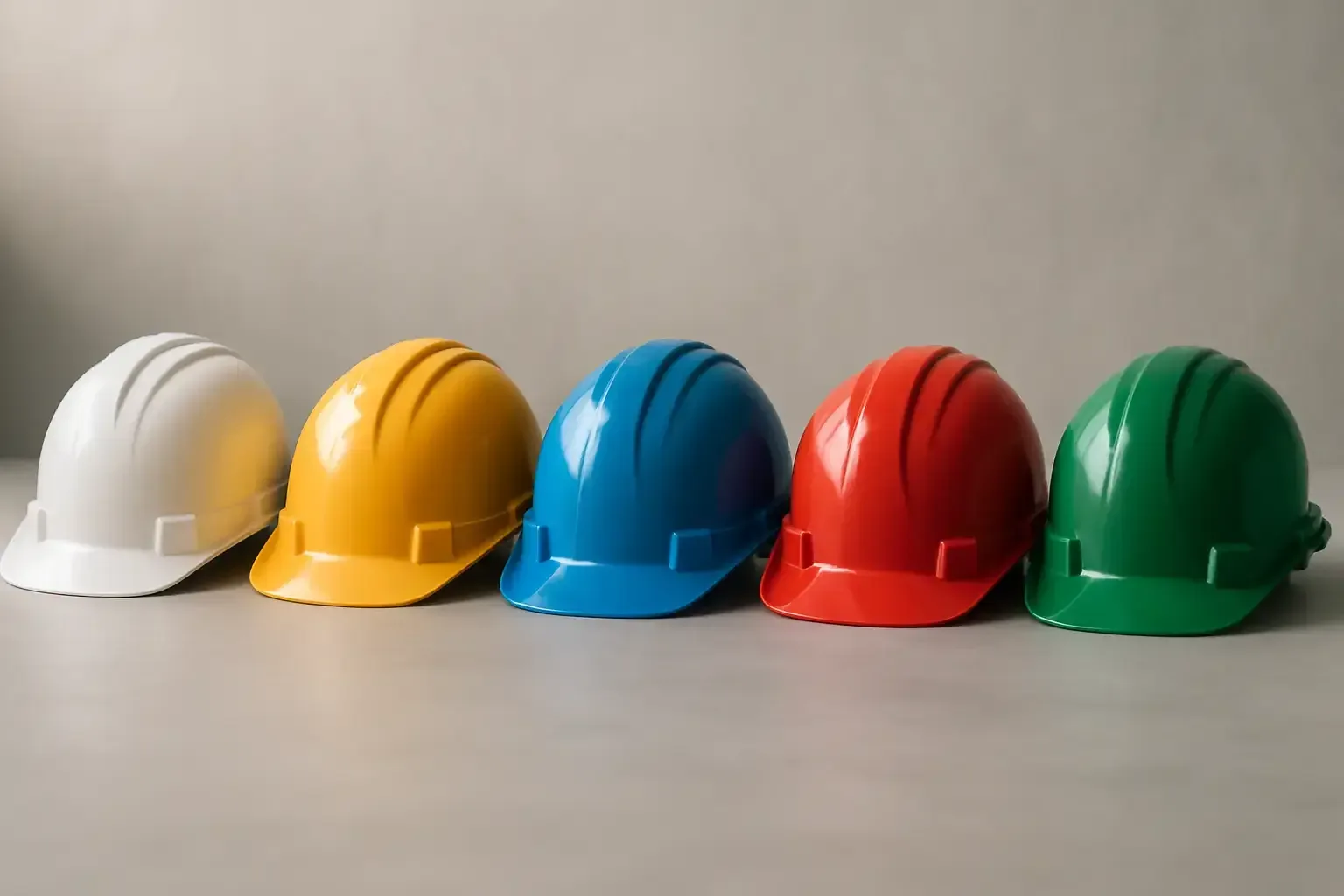
Summary (TL;DR): Hard hat colours are a coding system that visually distinguishes staff roles and hierarchy on construction sites, in factories and in logistics. The general rule: yellow for general workers, white for managers and engineers, blue for technical staff, green for health and safety and first aid, red for fire safety, and orange for visitors and new starters. In Türkiye the colours are not mandatory, but it is a legal requirement for hard hats to be EN 397 certified.
Why Do Hard Hat Colours Matter?
Hard hat colour is an internationally used coding system for visually distinguishing staff hierarchy and job roles on construction sites, in factory production facilities, logistics warehouses and large-scale operations. The right colour coding lets staff from dozens of different specialisms working on the same site be recognised from a distance; it plays a critical role in safety at work, emergency response and operational efficiency.
Although the use of hard hat colours is not mandatory in Türkiye, large construction sites, international contractors (for public energy and highway projects, and EU supply) and multi-location operations widely adopt the system. In this guide we look at the 6 main hard hat colours, their use by sector and the technical details under the EN 397 standard.
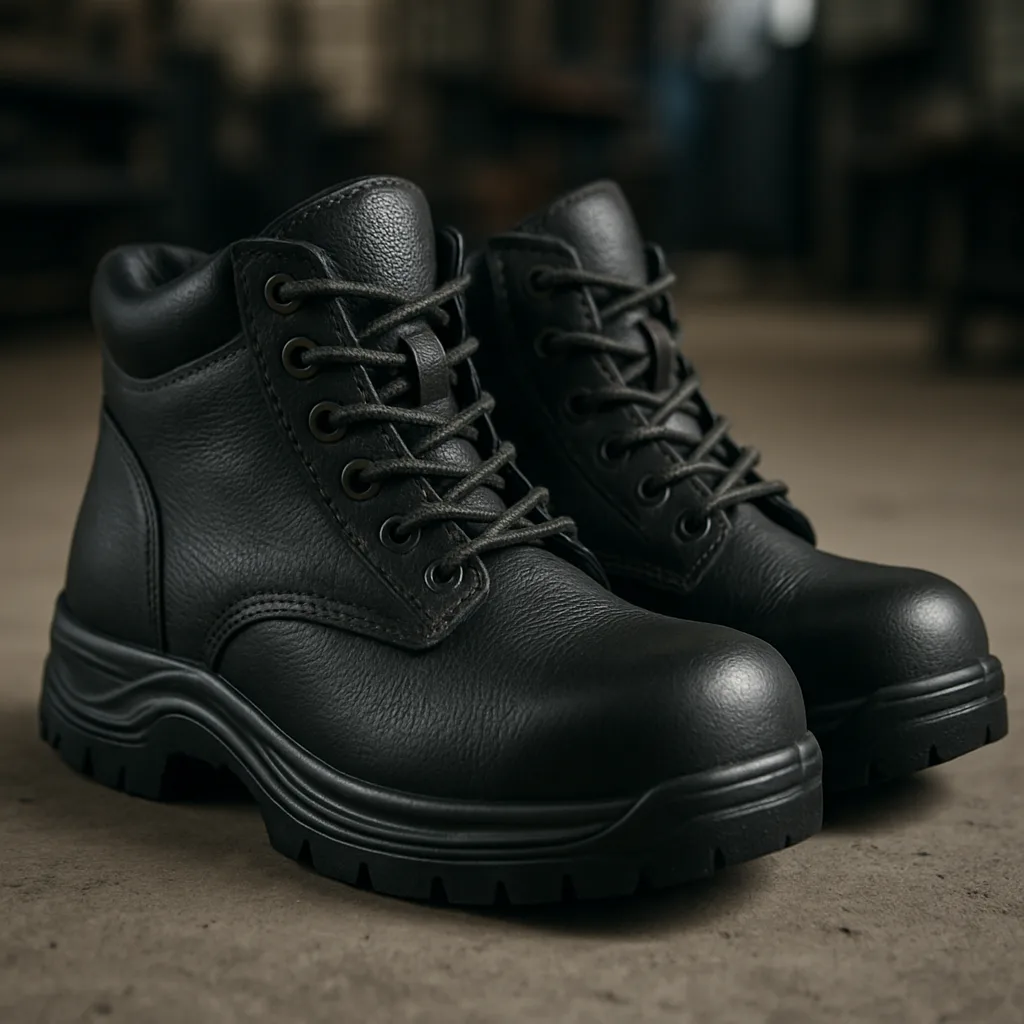
In the Construction Site Workwear category, Mars Wear supplies hi-vis jackets, S3 boots and compatible PPE; we have partner solutions for supplying hard hats.
Hard Hat Colours and Their Meanings at a Glance
The meaning, wearers and typical sector of the 6 main hard hat colours:
| Colour | Meaning / role | Who wears it | Typical sector |
|---|---|---|---|
| 🟡 Yellow | General workers, site staff | Formwork, concrete crews, steel fixers, operators | Construction, factory production |
| ⚪ White | Managers, engineers, technical visitors | Site managers, project managers, building inspectors | Construction management, engineering |
| 🔵 Blue | Technical staff, building services | Electricians, plumbers, HVAC | Building services, maintenance, technical service |
| 🟢 Green | Health and safety, first aid, safety spotters | Health and safety specialists, medical staff | Health and safety in every sector |
| 🔴 Red | Fire safety, emergencies | Fire wardens, evacuation leaders | Petrochemicals, heavy industry |
| 🟠 Orange | Visitors, new starters, trainees | Inspectors, suppliers, trainees | All large sites and factories |
The EN 397 Standard: The Legal Framework for Industrial Hard Hats
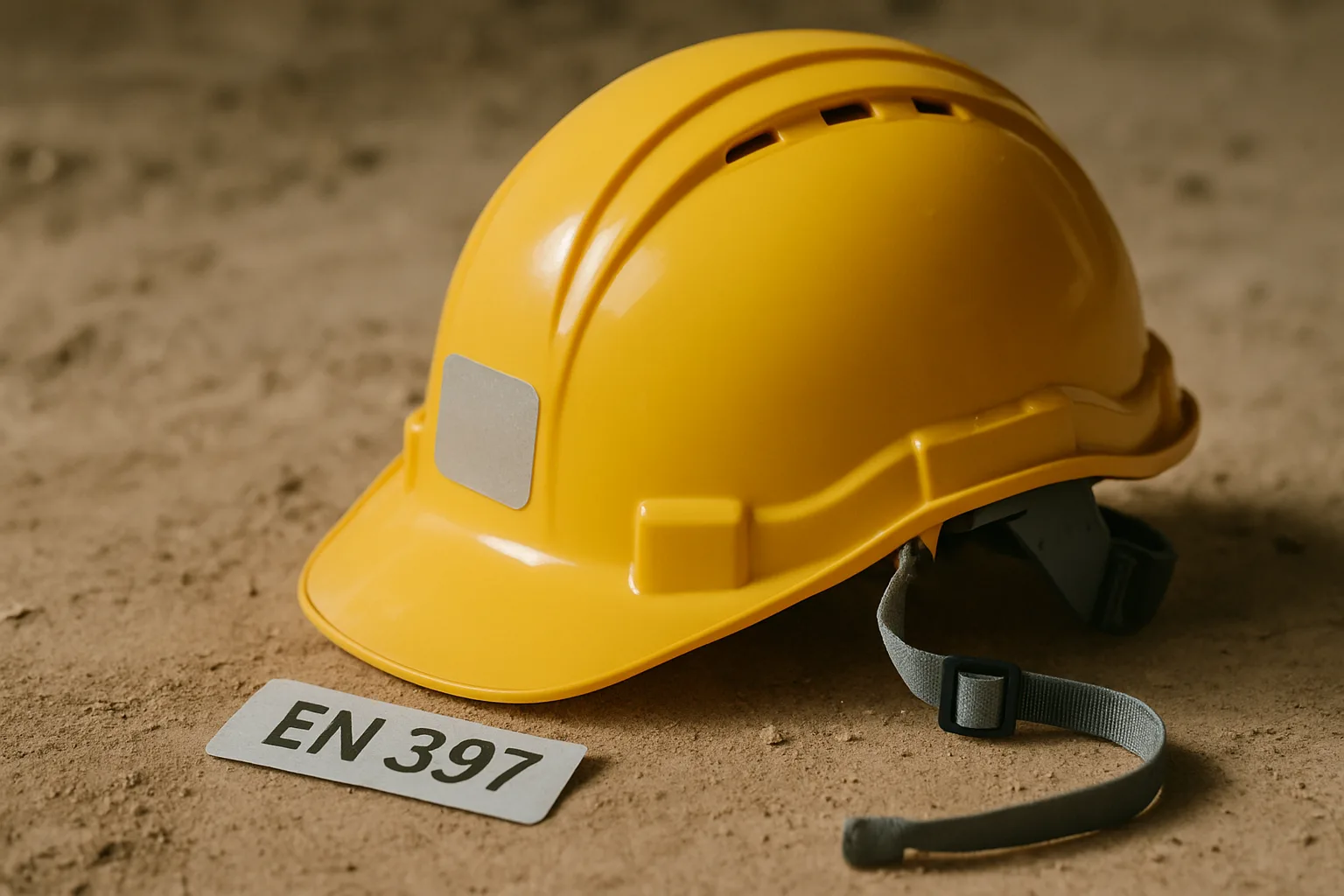
The EN 397 Industrial Safety Helmets standard sets the technical rules for using industrial hard hats in all EU countries, including Türkiye. For a hard hat to count as EN 397 certified, it must pass the following tests:
- Vertical impact test: When a 5 kg weight is dropped from 1 metre, the force transmitted through the shell must be less than 5 kN.
- Penetration test: When a 3 kg pointed object is dropped from 1 metre, the shell must not be penetrated.
- Flame resistance test: After 10 seconds of flame, it must not burn for longer than 5 seconds.
- Electrical insulation test: Optional resistance to 440 V AC (hard hats marked LD).
- Low-temperature resistance: Optional performance at -20 °C or -30 °C.
- High-temperature resistance: Optional exposure to +150 °C.
- Lateral deformation: Optional resistance to a horizontal load of 430 N.
Hard hats without the CE mark or EN 397 certification are treated as non-compliant in health and safety inspections and lead to administrative fines.
The 6 Main Hard Hat Colours and Their Meanings
The 6 hard hat colours in common use in industry and what they mean by sector:
🟡 Yellow Hard Hat — General Workers and Site Staff
The yellow hard hat is the most common colour on construction sites and in factories. It is used as the standard colour for operational staff.
- Who wears it: General workers, formwork carpenters, concrete crews, steel fixers, excavation operators
- Typical sector: Construction, building sites, factory production lines
- Visual effect: High visibility (matches hi-vis yellow)
- International practice: Standard in the USA, the EU and Türkiye
The typical top worn by staff in yellow hard hats: a work T-shirt + hi-vis vest + S3 boots.
⚪ White Hard Hat — Managers and Visiting Engineers
The white hard hat is the colour of the site's management tier and technical visitors.
- Who wears it: Site managers, project managers, visiting engineers, building inspectors, R&D
- Typical sector: Construction management, factory engineering
- Visual effect: A symbol of authority and technical knowledge
- Advantage: Easy to recognise from a distance, a clear hierarchy
Staff in white hard hats are usually seen with a reflective engineer's vest; an ideal combination for checks and inspections.
🔵 Blue Hard Hat — Technical Staff and Building Services
The blue hard hat has become widespread as the colour for jobs that need technical expertise.
- Who wears it: Electricians, plumbers, mechanical service, telecoms installers, HVAC fitters
- Typical sector: Building services, factory maintenance, technical service
- Visual effect: Identifies technical specialists
- Extra option: The EN 397 LD version (440 V insulation) is recommended for electricians
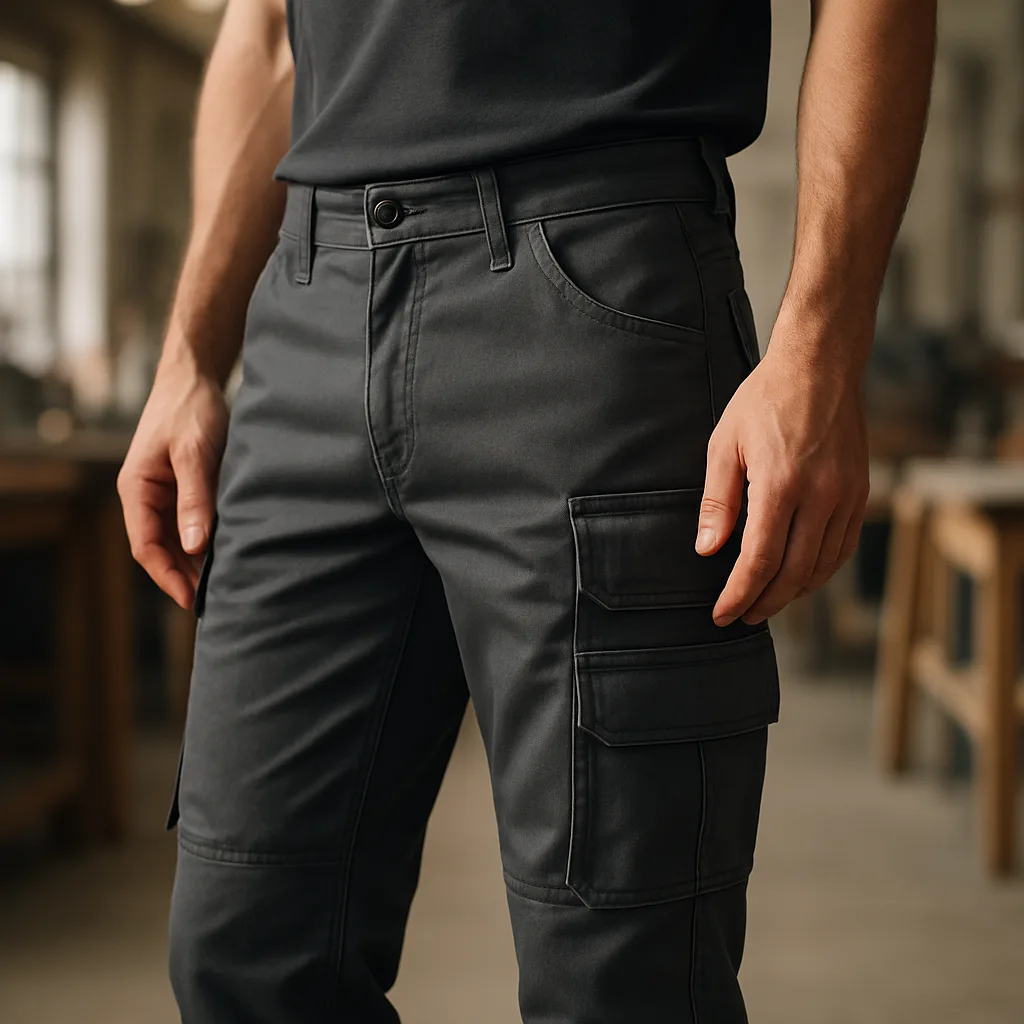
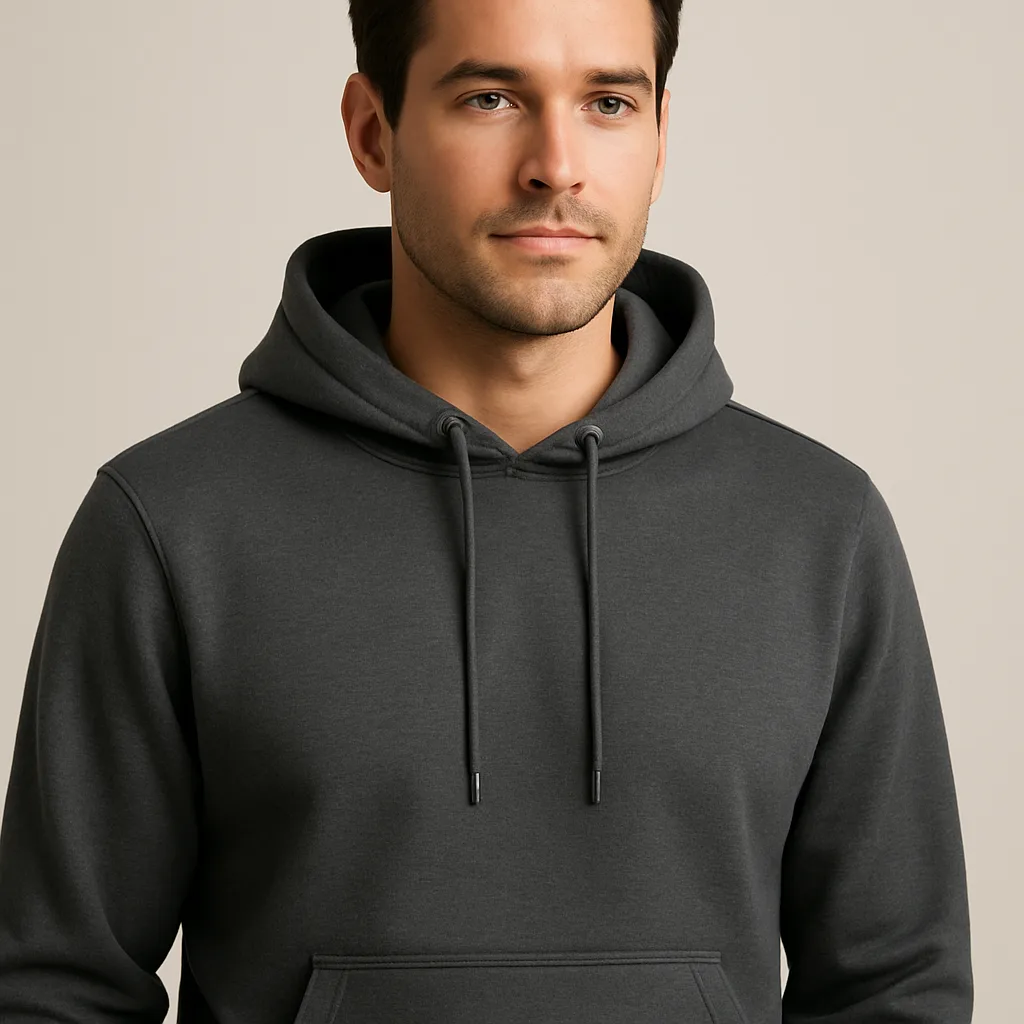
For technical staff, cargo work trousers are the standard choice (for carrying tools).
🟢 Green Hard Hat — Safety Spotters and First Aid
The green hard hat is the colour of health and safety and medical staff.
- Who wears it: Safety spotters, health and safety specialists, first aiders, medical staff
- Typical sector: The health and safety department in every sector
- Visual effect: Easy to find in an emergency
- Advantage: The health and safety specialist can be identified from a distance on site
Health and safety specialists in green hard hats also carry an emergency bag and first-aid equipment.
🔴 Red Hard Hat — Fire Safety and Emergencies
The red hard hat is the colour of fire safety and emergency response staff.
- Who wears it: Fire safety officers, evacuation leaders, fire trainers
- Typical sector: Petrochemicals, chemicals, heavy industry, shopping centre security
- Visual effect: Highly eye-catching, an emergency warning
- Advantage: Quickly finding the team leader during a fire
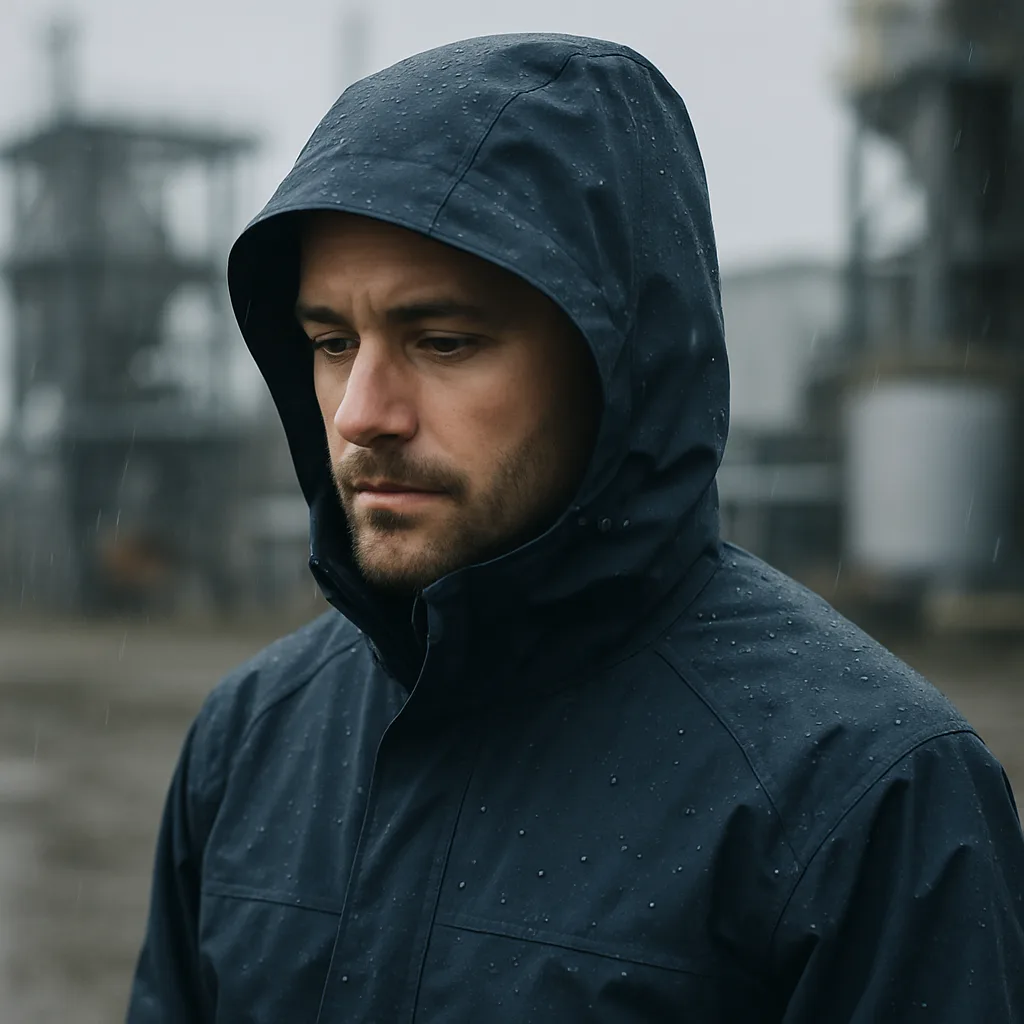
Staff in red hard hats may also choose flame-retardant (FR) clothing.
🟠 Orange Hard Hat — Visitors and New Starters
The orange hard hat is the colour of temporary staff and visitors.
- Who wears it: Visitors, inspectors, new starters, trainees, suppliers
- Typical sector: All large construction sites and factories
- Visual effect: A sign that the wearer's site knowledge may be limited — care and an escort are needed
- Operational rule: Someone wearing an orange hard hat should not be left alone
The orange hard hat practice is applied alongside a "buddy system" (escort system), especially on international construction projects.
Less Common Hard Hat Colours
Beyond the 6 main colours above, some sites also use special colours:
| Colour | Typical meaning | Use by sector |
|---|---|---|
| Pink | Women workers / awareness projects | On some sites during breast cancer awareness months |
| Purple | Environment / sustainability lead | LEED certified green building projects |
| Grey | Site engineer / site inspector | Some international sites |
| Brown | Welders / hot work | Industrial welding and metalworking |
| Black | Supervisor / site foreman | Common on sites in Scotland and England |
These special colours are set by each site's own policy; because they are not standard, they should be stated in the employment contract.
Hard Hat Colour Policies by Sector
Construction Sites
- Yellow: General workers
- White: Site managers, engineers
- Blue: Building services, electrical
- Green: Health and safety, first aid
- Red: Fire safety
- Orange: Visitors
Factories and Production Facilities
- Yellow: Production line operators
- White: Shift managers, quality control engineers
- Blue: Maintenance, technical service
- Green: Health and safety specialists
- Red: Fire and emergency officers
- Orange: Visitors, inspectors
Logistics and Warehousing
- Yellow: Warehouse handling staff
- White: Warehouse managers, dispatch managers
- Blue: Forklift operators (at some companies)
- Green: Health and safety specialists
- Orange: Visitors, inspectors, customers
Petrochemicals and Refineries
- White: Operators, management
- Yellow: General site staff
- Red: Fire safety (of great importance)
- Blue: Mechanical maintenance
- Green: Health, safety and environmental specialists
Hard Hat Colour Rules in Türkiye
In Türkiye there is no specific legal requirement for the use of hard hat colours. There are, however, some indirect rules:
- Occupational Health and Safety Law No. 6331: PPE use is mandatory, but colours are not specified.
- Regulation on Health and Safety in Construction Work: EN 397 certified hard hats are mandatory; the colour is free.
- Personal Protective Equipment Regulation: There is a visibility requirement; the colour is open.
- In-house policies: Set by the HR and health and safety departments.
In multi-location companies, the colour policy is usually standardised by central management and written into the health and safety rules.
What to Look For When Choosing a Hard Hat
Beyond colour, the other critical factors in choosing a hard hat:
- EN 397 certification: The CE mark is mandatory. The certificate number is stamped inside the hard hat.
- Shell material: ABS, polyethylene or polycarbonate. ABS is the most common; polyethylene is more flexible.
- Suspension system: 4- or 6-point suspension. 6-point is more comfortable.
- Adjustment system: A ratchet system is recommended.
- Ventilation: A ventilated hard hat for hot environments, a closed one for the cold.
- Chin strap: 2-point or 4-point. 4-point for working at height.
- Inner sweatband: Replaceable and hygienically washable.
- UV resistance: If used outdoors, it should have a UV stabiliser.
- Accessory compatibility: Ability to fit ear defenders, a visor or a lamp.
- Date of manufacture: Check the stamp inside the hard hat; hard hats older than 5 years should not be used.
Hard Hat Care and Service Life
With the right care, a hard hat's service life is expected to be 5 years. Factors that affect its service life:
- Exposure to sunlight: UV rays weaken the plastic shell. Outdoors, a life of 3 years is expected.
- Contact with chemicals: Paint, solvents and acids damage the hard hat's structural integrity.
- Hard impacts: A hard hat that has taken an impact should be replaced even if there is no visible damage.
- Cold/heat shock: Extreme temperature changes cause micro-cracks.
A monthly visual inspection should be carried out; if there are cracks, discolouration, deformation or problems with the suspension system, the hard hat should be replaced.
Hard Hat Logos and Accessories
Corporate companies apply company logos and accessories to hard hats:
- Logo label: A sticker or transfer print (UV resistant).
- Reflective tape: Stuck around the hard hat for night-time visibility.
- Name label: A sticker with the employee's name (Mars Wear recommends a "staff name + department" format).
- Lamp bracket: For mining, tunnels and night operations.
- Ear defender slots: Standard in high-noise environments.
- Visor slots: In welding and dusty environments.
Annual Hard Hat Budget: An Operation With 500 Staff
| Item | Quantity | Budget |
|---|---|---|
| Yellow hard hats (production/site) | 350 | ~TRY 50,000 |
| White hard hats (managers) | 50 | ~TRY 10,000 |
| Blue hard hats (technical) | 40 | ~TRY 8,000 |
| Green hard hats (health and safety) | 10 | ~TRY 2,000 |
| Red hard hats (fire) | 15 | ~TRY 3,000 |
| Orange hard hats (visitor stock) | 50 | ~TRY 10,000 |
| Reserve stock | 10% | ~TRY 10,000 |
| Total annual hard hat budget | 515 | ~TRY 93,000 |
Because a hard hat lasts 5 years, annual consumption is calculated as 20–25% replacement plus an extra for damage and loss.
Reflective Hard Hats: For Night Operations
In low-light settings such as roadworks, night-time construction sites and motorway maintenance, reflective tape should be applied around the hard hat:
- 3M Scotchlite or equivalent reflective tape (visible 360° from the front)
- Brightness in line with the EN ISO 20471 standard
- Colour: hi-vis yellow, white or orange
- An adhesive that withstands washing and cleaning
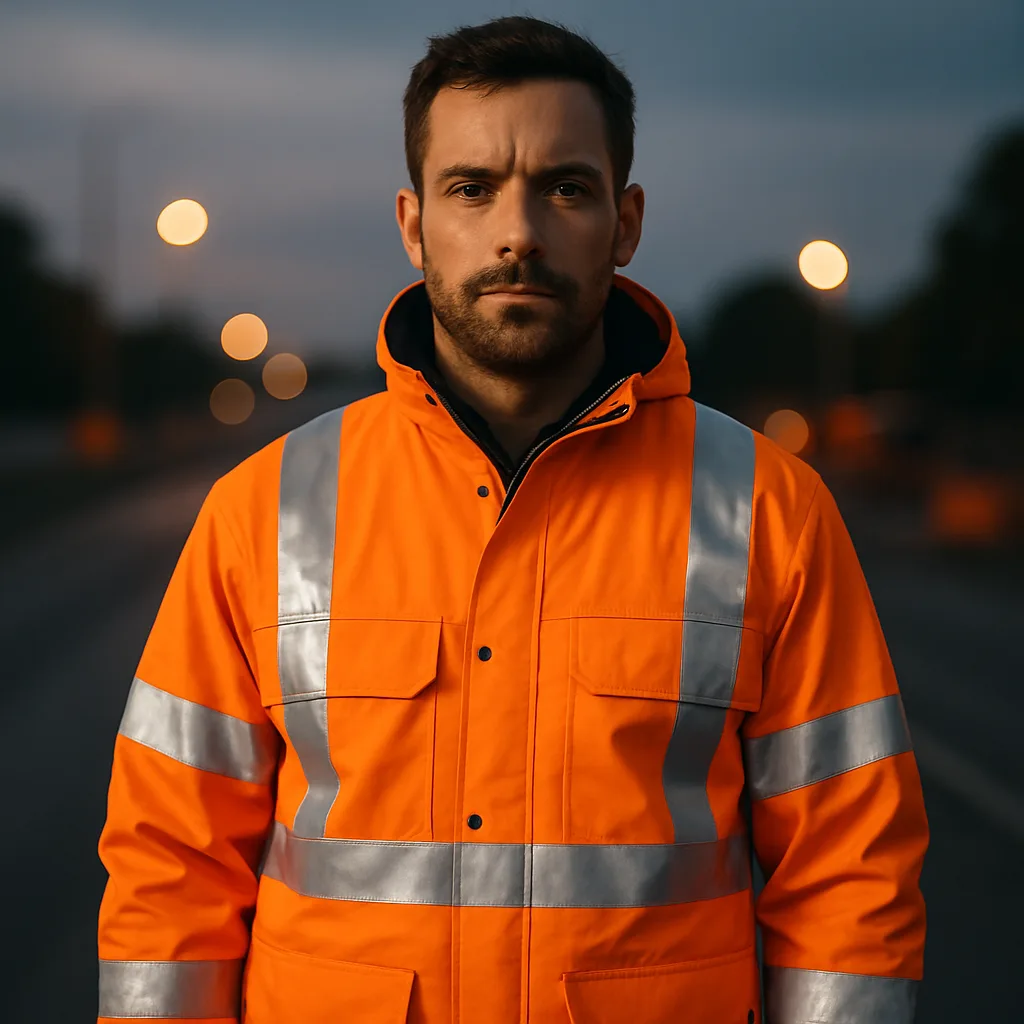
For a compatible top for staff wearing reflective hard hats, see the Hi-Vis Workwear category.
International Standards: Türkiye and Other Countries
| Country | Standard | Colour policy |
|---|---|---|
| Türkiye | EN 397 (official); colour is free | In-house policy |
| EU countries | EN 397 | Sector recommendations, varies by country |
| USA | ANSI Z89.1 | OSHA recommendations (yellow general, white management) |
| United Kingdom | BS EN 397 | HSE guidance, colours recommended |
| Canada | CSA Z94.1 | Yellow dominant |
| Australia | AS/NZS 1801 | Sector recommendations |
Turkish contractors sending staff to projects abroad should find out the target country's colour policy in advance.
Frequently Asked Questions
Are hard hat colours mandatory in Türkiye?
No, hard hat colour is not a legal requirement in Türkiye; however, large construction sites and international companies apply it as an in-house policy.
Who wears a yellow hard hat?
Yellow hard hats are worn by site staff such as general workers, formwork carpenters, concrete crews and steel fixers. It is the most common colour on site.
Why is the white hard hat for engineers and managers?
Because a white hard hat can be recognised visually from a distance and is used in management areas where it gets less dirty. It is a symbol of authority.
When is a green hard hat used?
Health and safety specialists, first aiders and safety spotters wear green hard hats. It is chosen so they are easy to recognise in an emergency.
How long does a hard hat last?
A maximum of 5 years. With outdoor UV exposure, 3 years. A hard hat that has taken an impact, cracked or deformed should be replaced immediately.
How do you check EN 397 certification?
The stamp inside the hard hat should show "EN 397" and the CE mark. The date of manufacture is also shown in the stamp.
Is a reflective hard hat mandatory on road or motorway sites?
It is not a legal requirement, but it is strongly recommended for night operations and work near roads. Reflective tape compatible with EN ISO 20471 is applied.
Where are pink or purple hard hats used?
Pink is generally used in awareness projects for women workers, and purple for the sustainability lead on LEED certified green building projects. They are not standard.
Which colour for staff with more than one role?
The colour of the main role is chosen; for example, a green hard hat is enough for a health and safety specialist who is also a first-aid trainer. For mixed roles, an armband or a different vest is preferred rather than the hard hat.
Must clothing be the same colour as the hard hat?
No, the clothing colour can be different. Only for hi-vis staff must the clothing also be Class 2–3 hi-vis; this requirement comes from EN ISO 20471.
What is the minimum order for supplying hard hats?
Mars Wear supplies 100+ hard hats through partner firms. Promotional labels or company logos are applied on request.
Conclusion: Colour Coding = Operational Efficiency
Hard hat colours bring great benefits on site for visual hierarchy, quick recognition and emergency response. Applying the six main colours correctly — yellow (general workers), white (managers), blue (technical), green (health and safety), red (fire) and orange (visitors) — dramatically reduces lost time and communication errors in operations with 500+ staff.
Mars Wear offers hard hat supply + a compatible top + a hi-vis vest as a combination from a single point. With an annual framework agreement, setting the colour policy, providing certificates and distribution to multiple locations are included.
Have Mars Wear Produce Your Colour-Coded Workwear Set
Get the hi-vis jackets, vests and workwear that complete your site's hard hat colour system from a single supplier. As an employer, give your staff EN ISO 20471 compliant workwear separated by department colour. Mars Wear produces at its facility in Zeytinburnu, Istanbul from a minimum of 100 pieces.
Related categories:
- Hi-Vis Workwear — EN ISO 20471 Class 2–3
- Workwear — for every department
Keep reading
 Regulations and Standards
EN ISO 20471: A Guide to Reflective Classes
The difference between EN ISO 20471 Classes 1, 2 and 3, the hi-vis vest standard and matching classes to sectors. Get a quote for certified production.
 Regulations and Standards
What Is PPE? A Guide to Personal Protective Equipment
What PPE (personal protective equipment) is, its categories, the employer's duties and how to choose it. Get a quote for bulk PPE textiles.
 Regulations and Standards
OEKO-TEX Standard 100: A Guide to Corporate Textile Certification and Export Compliance
OEKO-TEX Standard 100: product classes, the chemicals tested, export requirements, the certification process, fabric types and corporate supply policy.