










Workwear Care Guide: Washing and Ironing
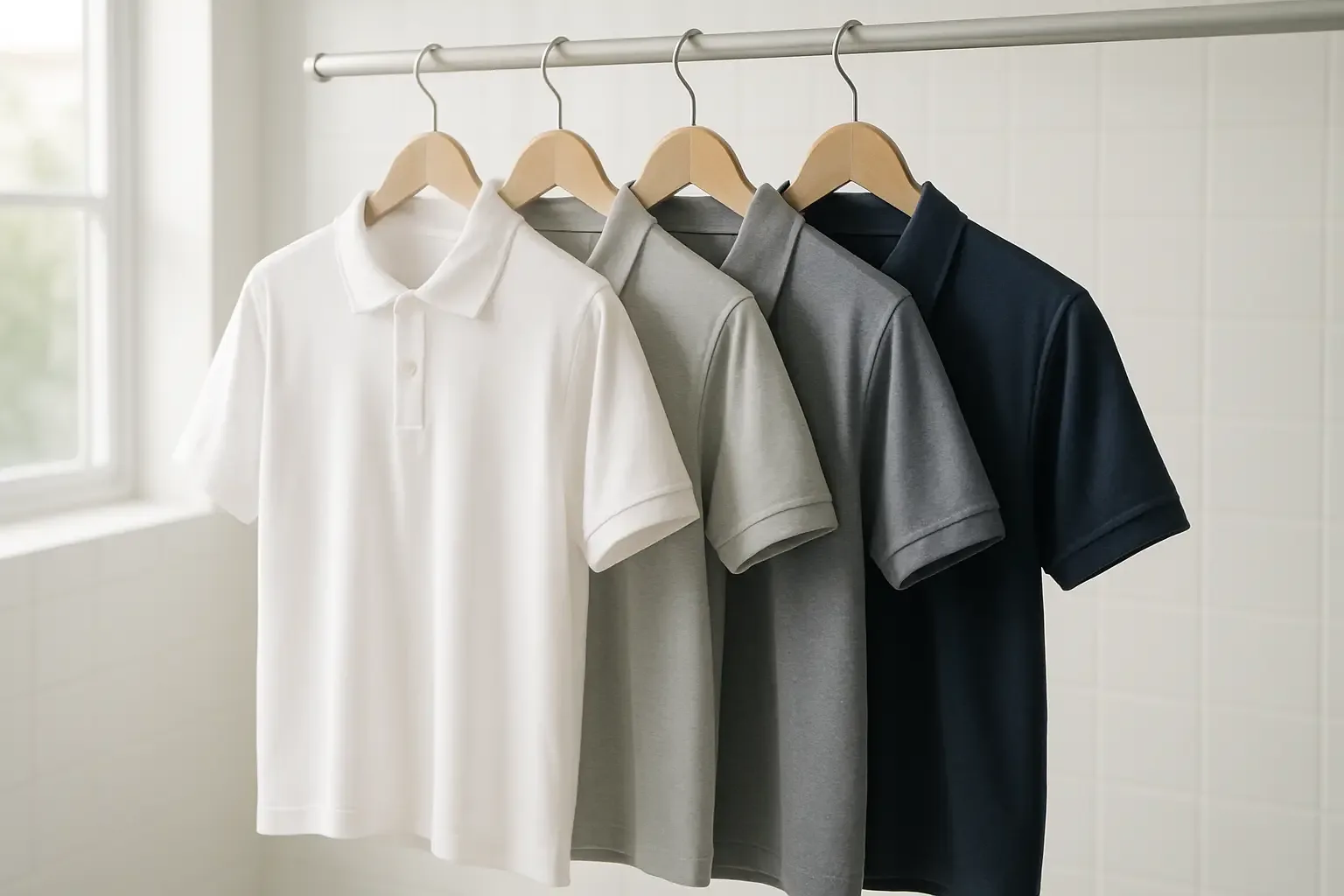
The real total cost of corporate workwear is not the purchase price but the service life of each garment. The same 200 g cotton piqué polo shirt lasts 120 washes with the right care, while with the wrong care it is no longer presentable after 25. In bulk runs of more than 100 pieces, this difference can double the annual staff clothing budget. This guide explains the standards for washing, drying, ironing and protecting prints on workwear for corporate businesses such as factories, logistics firms, restaurant and hotel chains, office towers, healthcare and private security.
Wash Temperature: The Right Range for Each Fabric
Every fabric has a different optimum wash temperature. Cotton piqué and single jersey: 30–40 °C. Polyester-cotton blend (PE/CO): 40 °C standard, 60 °C maximum. Dry-fit / performance: 30 °C, cold wash. Antibacterial fabric: 30–40 °C, never above 60 °C. Hi-vis workwear: 40 °C, to keep the reflective tape bright. A quick rule: a high temperature does not increase durability — on the contrary, it shortens the life of the fabric fibres and the print or embroidery.
Separating Whites and Colours
A common mistake in corporate workplaces is washing white and coloured garments in the same machine. Coloured fabrics release dye in the first 5 washes; white T-shirts turn a dirty grey. Although Mars Wear cotton piqué fabrics go through a dye-fixing process, there is a risk in the first washes. Recommended: wash new workwear separately within its own colour group for the first 3 washes. After that, light and dark colours can be combined group by group.
Detergent and Fabric Softener
Standard detergent suits cotton and blended fabrics. Fabric softener needs care: for cotton it causes no problems at a 25% dose, but it should not be used on dry-fit, sublimated or antibacterial fabric. Fabric softener reduces dry-fit fabric's moisture transfer and ends the effect of the antibacterial finish. Bleach (chlorine) should be used only on white cotton, and diluted; it should not be used on coloured clothing, and is strictly forbidden on printed or embroidered items.
Wash Frequency and Managing It at Scale
In corporate businesses, staff usually wash their clothing at home, but large operations use a corporate laundry service. Daily washing is common for restaurant and hotel kitchen staff, and washing every 2–3 days for production and warehouse staff. For office towers, every 1–2 days is enough. If pre-soaking and stain pre-treatment are applied before washing, the fabric lasts longer and the main wash can be done at a lower temperature.
Drying: Machine or Natural?
A tumble dryer shortens the life of cotton fabrics by 30–40%; it causes shrinkage, deformation and cracked prints. For Mars Wear workwear, natural drying (hanging up) is recommended. Natural drying should also be done in the shade; direct sunlight fades cotton colours and stiffens polyester blends. When a garment is needed urgently, a tumble dryer can be used briefly on a low-temperature programme; the standard programme should be avoided.
Ironing: Protecting Logos and Embroidery
Iron cotton on the standard cotton setting, blends at a medium temperature, and dry-fit on a low temperature or not at all. Do not iron directly over a logo or print. Cover it with a thin dry cloth (a handkerchief or towel) and pass the iron over without holding it for more than 5–10 seconds. Embroidery can be ironed, but from the reverse and with steam. Do not iron reflective tape; the reflective film can melt.
Protecting Prints and Embroidery
The common protection rule for all logo applications: wash the garment inside out. This simple step stops screen, transfer and DTG prints cracking in the drum and rubbing against other clothes. If a tumble dryer is used, the print is the part damaged fastest. For detailed logo application methods and durability, see the Logo Printing and Embroidery Methods Guide page.
Special Care for Antibacterial Fabric
The finish on antibacterial fabrics used in clothing for healthcare chains, food production, pharmacies and laboratories lasts 30–50 wash cycles. To protect this finish: wash at 30–40 °C, no fabric softener, no bleach, dry naturally. With washing above 60 °C or fabric softener, the antibacterial effect is gone within the first 10 washes. Even so, in settings with a hygiene risk, the standard of replacing clothing every 6 months applies.
Special Care for Hi-Vis Workwear
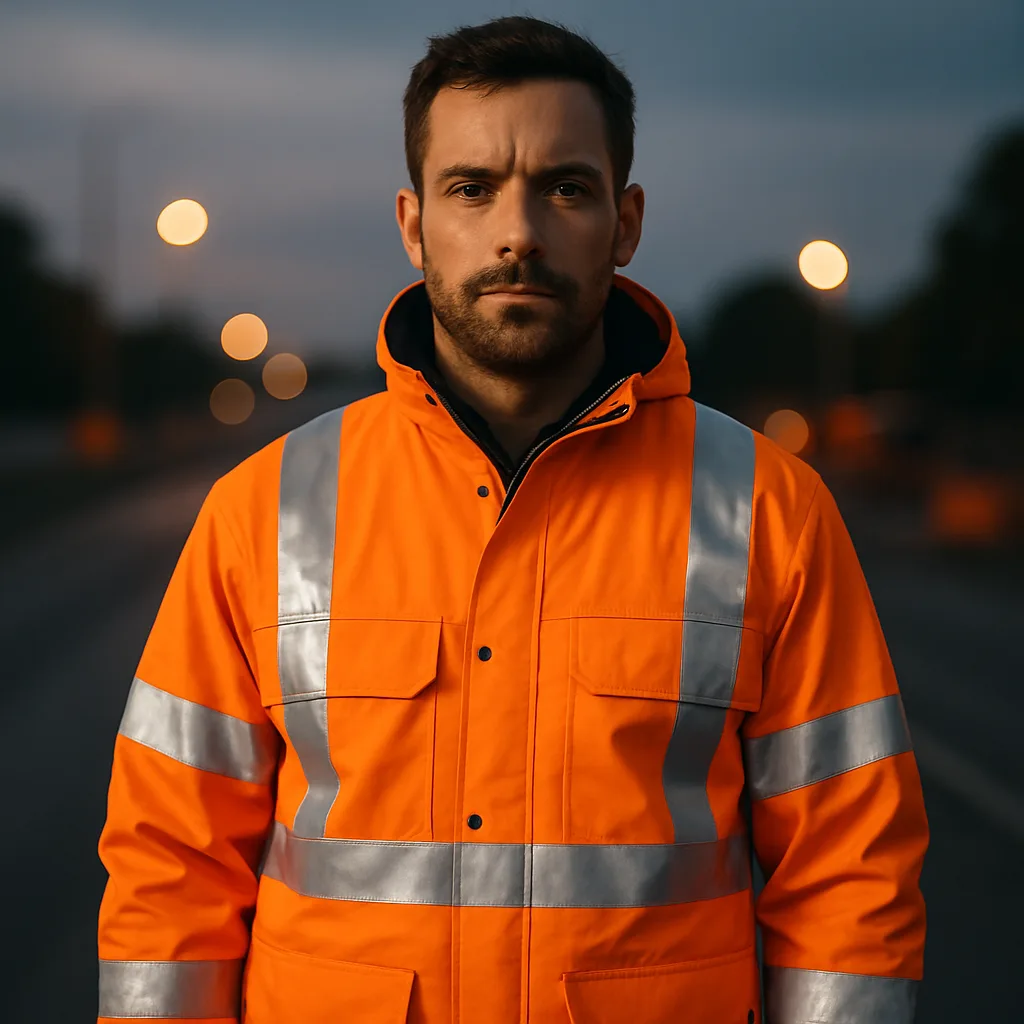
On construction sites, in outdoor logistics, and for couriers and private security, reflective tape is a critical part of safety at work. Washing above 40 °C, bleach, hard spinning and tumble drying kill the reflective tape. With the right care, hi-vis clothing keeps its visibility standard for 50–80 wash cycles. If the reflective tape dulls or its visibility falls, the garment should be replaced for safety reasons.
Caring for Jackets, Parkas and Fleeces
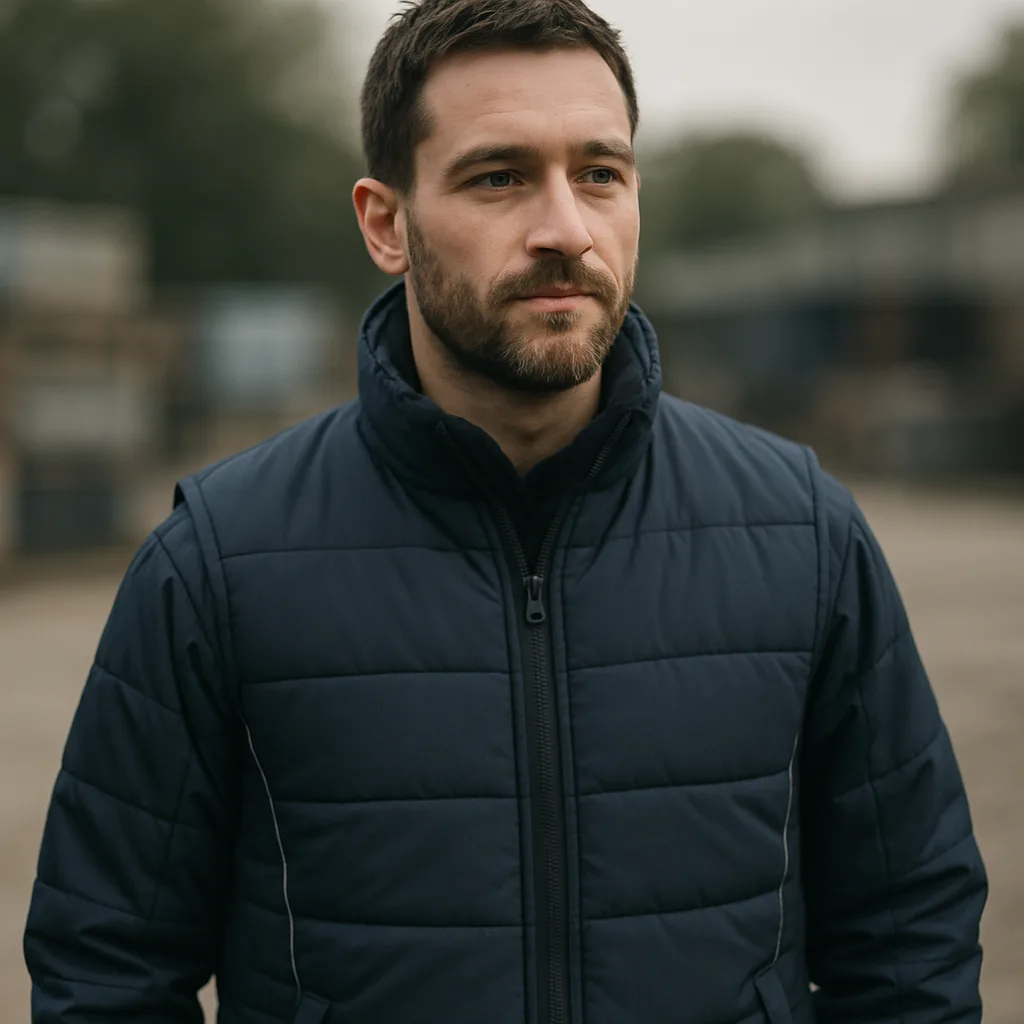
Jackets and parkas mostly do not need washing; spot cleaning and 1–2 machine washes a year are enough. Padded gilets and jackets should be washed on a specific padded/down programme, in cold water, with a round drying aid (such as tennis balls), so that the fill keeps its loft. Fleece is washed at 30 °C and dried naturally; fabric softener reduces the fleece's grip and breathability.
Caring for Work Trousers and Coveralls
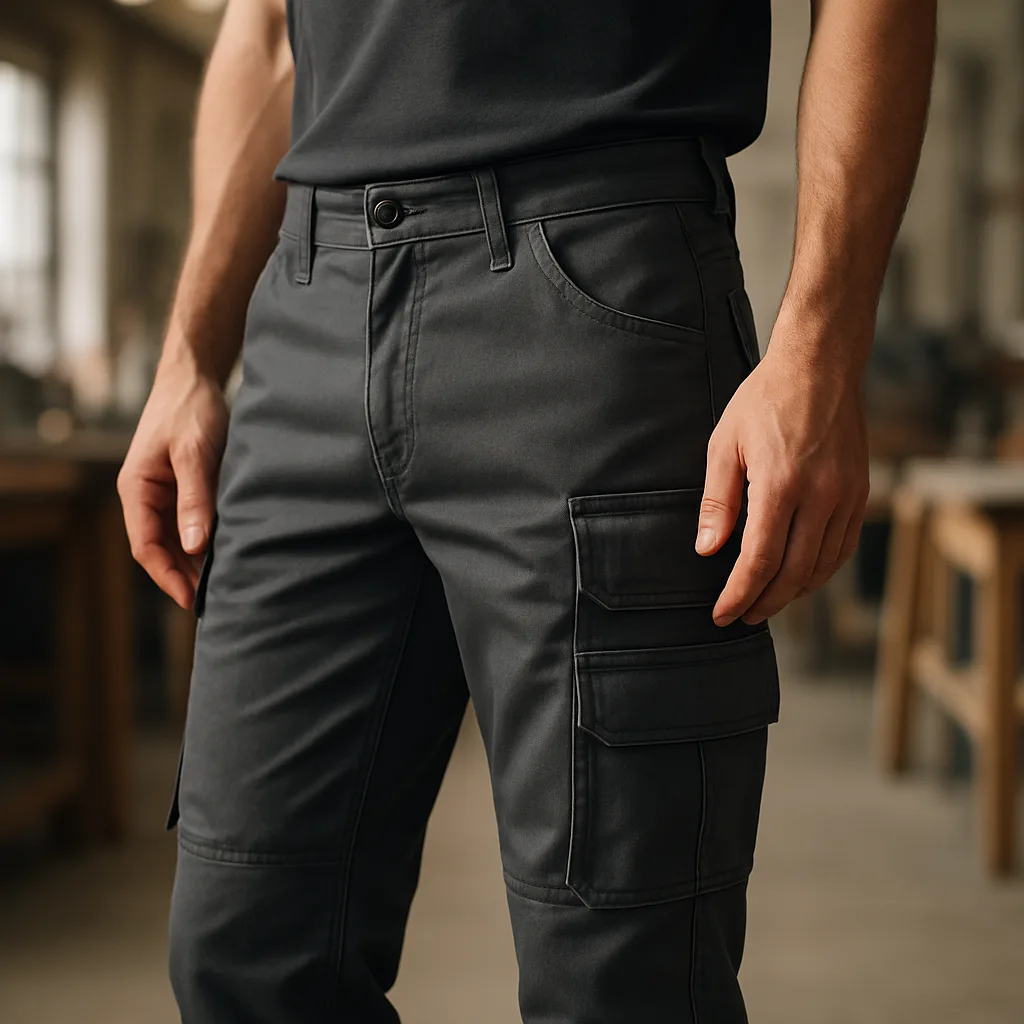
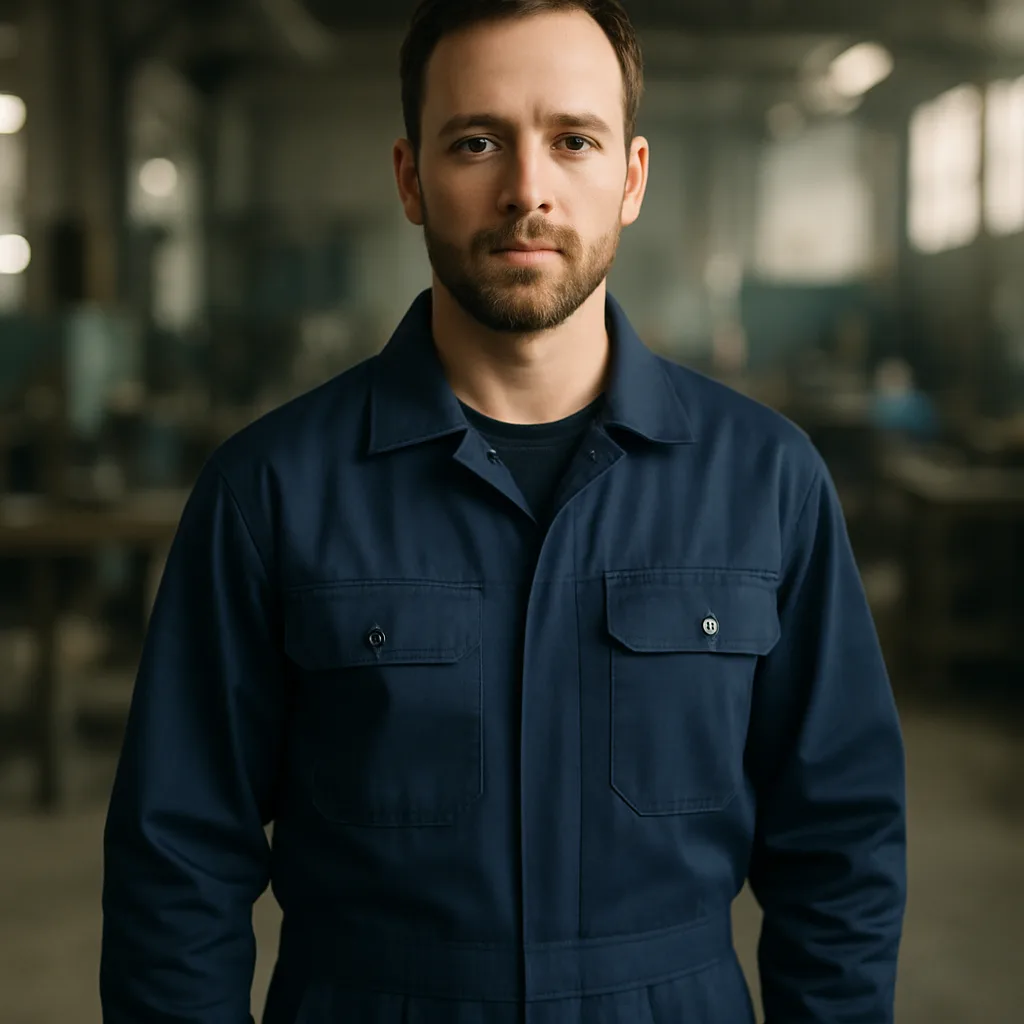
Work trousers, especially gabardine and cargo-pocket models, are often exposed to oil and solvent stains. Stain pre-treatment should be applied before washing; keep the main wash at 40 °C. Wash trousers inside out, with zips and buttons fastened. Dry cleaning is only for garments with the "dry clean" symbol on the label; standard work trousers can be machine washed.
Recommendations for Corporate Laundries
For restaurant chains, hotels and factories employing 50+ staff, an industrial laundry service is a worthwhile investment for staff motivation and brand consistency. An industrial laundry provides a standard wash temperature, ironing, packing and delivery to each person's locker. Because Mars Wear products are made to withstand industrial laundry standards, this service can be used without any problem.
The Mars Wear Guaranteed Care Standard
Mars Wear workwear goes through a wash test for every batch while being produced at our facility in Zeytinburnu, Istanbul. With the right care: cotton piqué polos last 100+ washes, polyester blends 150+ washes, dry-fit 80+ washes, and the antibacterial finish 30–50 wash cycles. Minimum order 100 pieces; standard delivery 15 working days, express 10 working days; custom Pantone colours from a minimum of 200 pieces with 1–2 weeks' extra time. Size range XS–5XL, 6XL+ made to order.
Frequently Asked Questions
At what temperature should a work T-shirt be washed?
30–40 °C for cotton; 40 °C for blends; 30 °C for antibacterial and dry-fit. Above 60 °C quickly ends the garment's life.
What should I do to stop the logo peeling?
Wash the garment inside out, below 40 °C, dry it naturally instead of in a tumble dryer, and do not iron directly over the print.
Should I use fabric softener?
Optional for cotton (at a low dose); it should not be used on dry-fit, sublimated or antibacterial fabric.
Does hi-vis clothing need special care?
Yes. Wash below 40 °C, no bleach, no tumble dryer. With the wrong care, the reflective tape fades within 10 washes.
Can a tumble dryer be used?
It is not preferred. It shrinks cotton fabrics by 2–4% and cracks prints. In an emergency, it can be used briefly on low heat.
Can bleach be used?
Only diluted, on white cotton. It must never be used on coloured, printed or embroidered clothing.
How many washes does an antibacterial finish last?
With the right care, 30–50 wash cycles; with fabric softener or washing above 60 °C, it is gone within 10 washes.
What do you recommend for stained clothing?
Pre-treat the stain before washing (enzyme detergent or stain remover). If a stain remains after washing, applying heat (tumble drying, ironing) sets it — treat first, heat afterwards.
Keep reading
 Workwear Guides
Workwear Models (Category Guide)
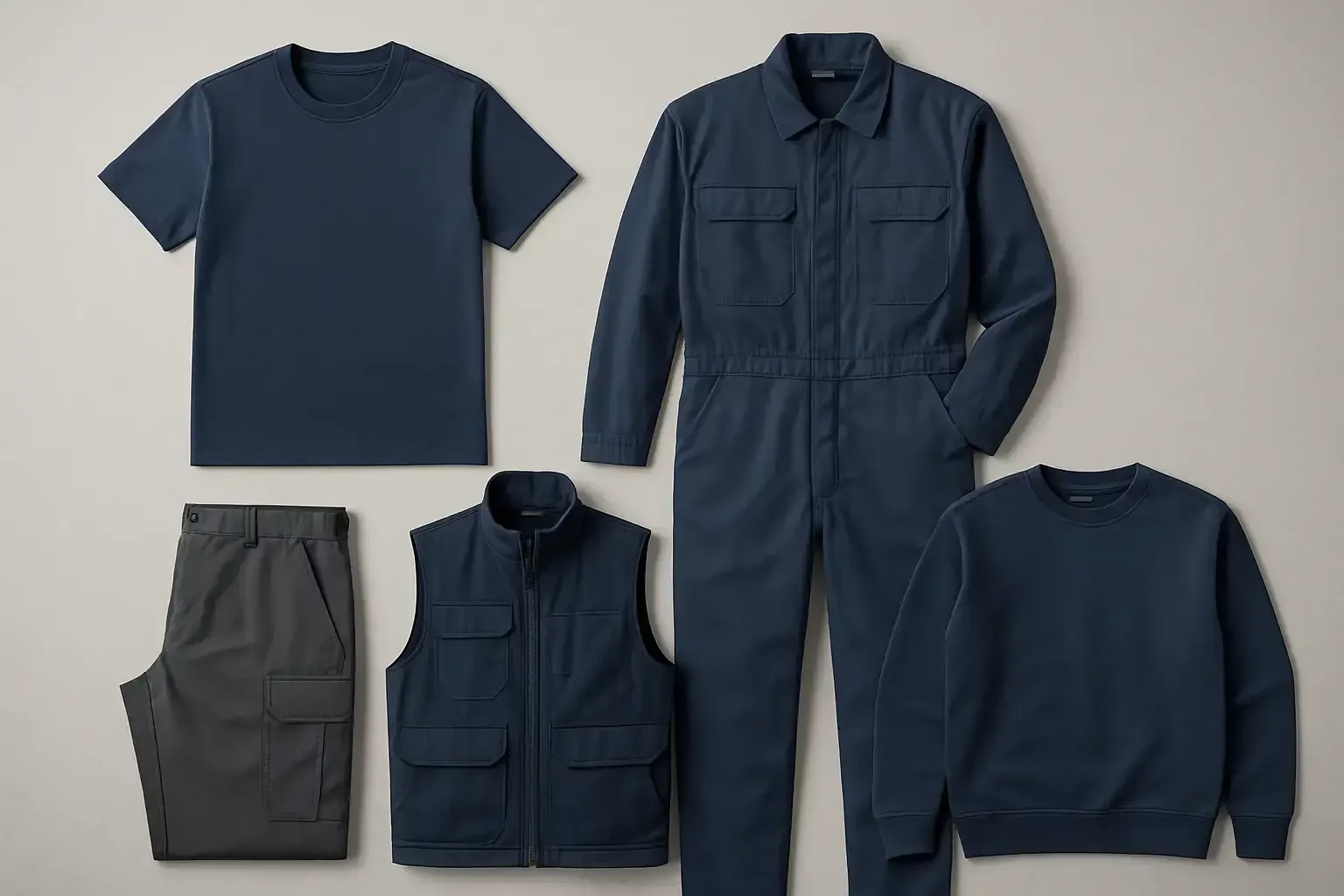
Workwear models: T-shirts, trousers, coveralls, gilets and sweatshirts. A guide to choosing by use, fabric and weight. Get a quote for logo production.
 Workwear Guides
Bulk Logo Workwear Production (Min. 100)
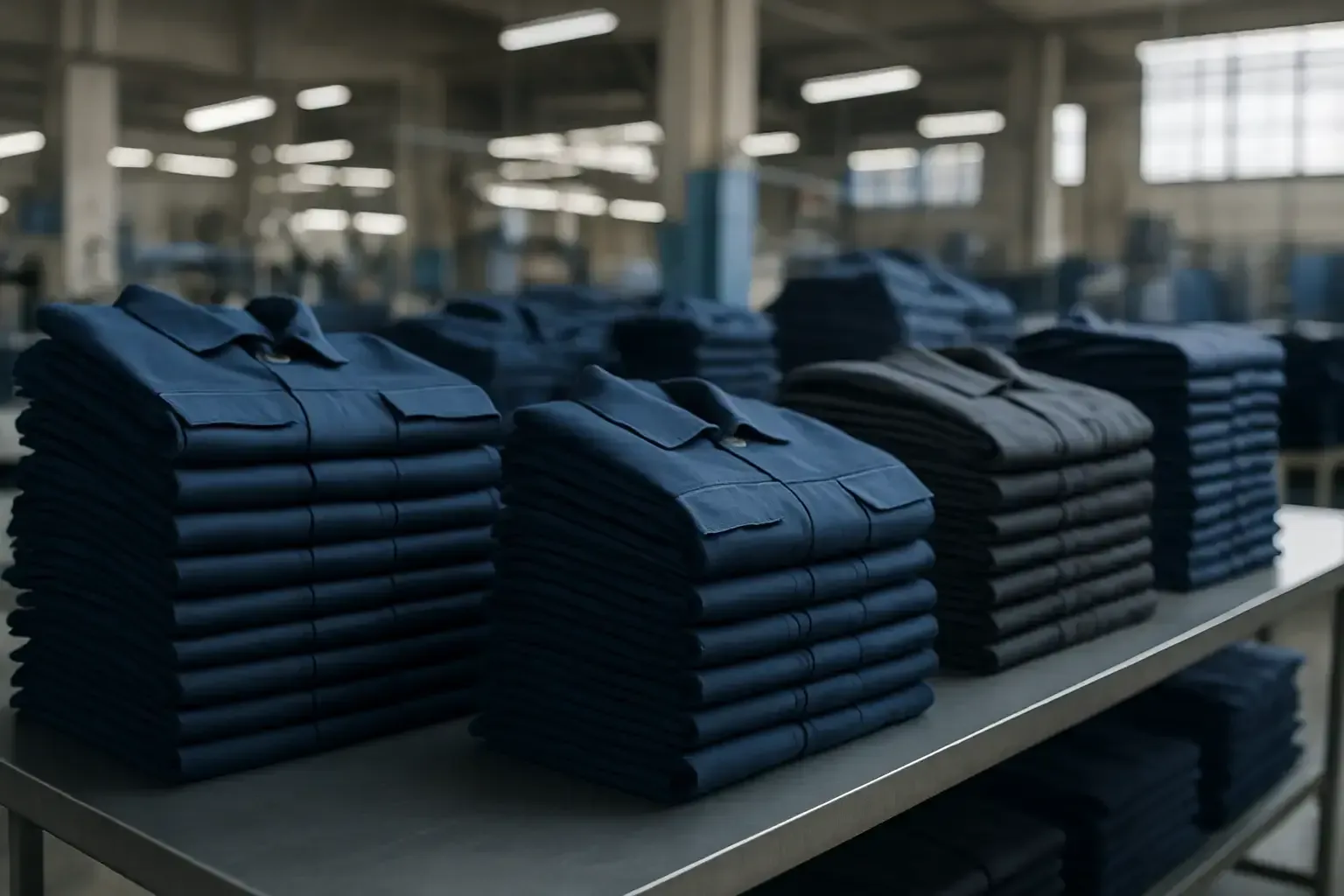
Bulk logo workwear and work clothing manufacturing from 100 pieces. Sampling, fabric, production and a 15-working-day delivery process. Get a quote.
 Workwear Guides
Workwear Prices and Cost Guide
Workwear prices vary with fabric, weight, printing and quantity. Learn the logic of tiered costs and get a net price quote for your project.