











Workwear Fabric Weight Guide: 160–220 g in Detail
What Is Workwear Fabric Weight?
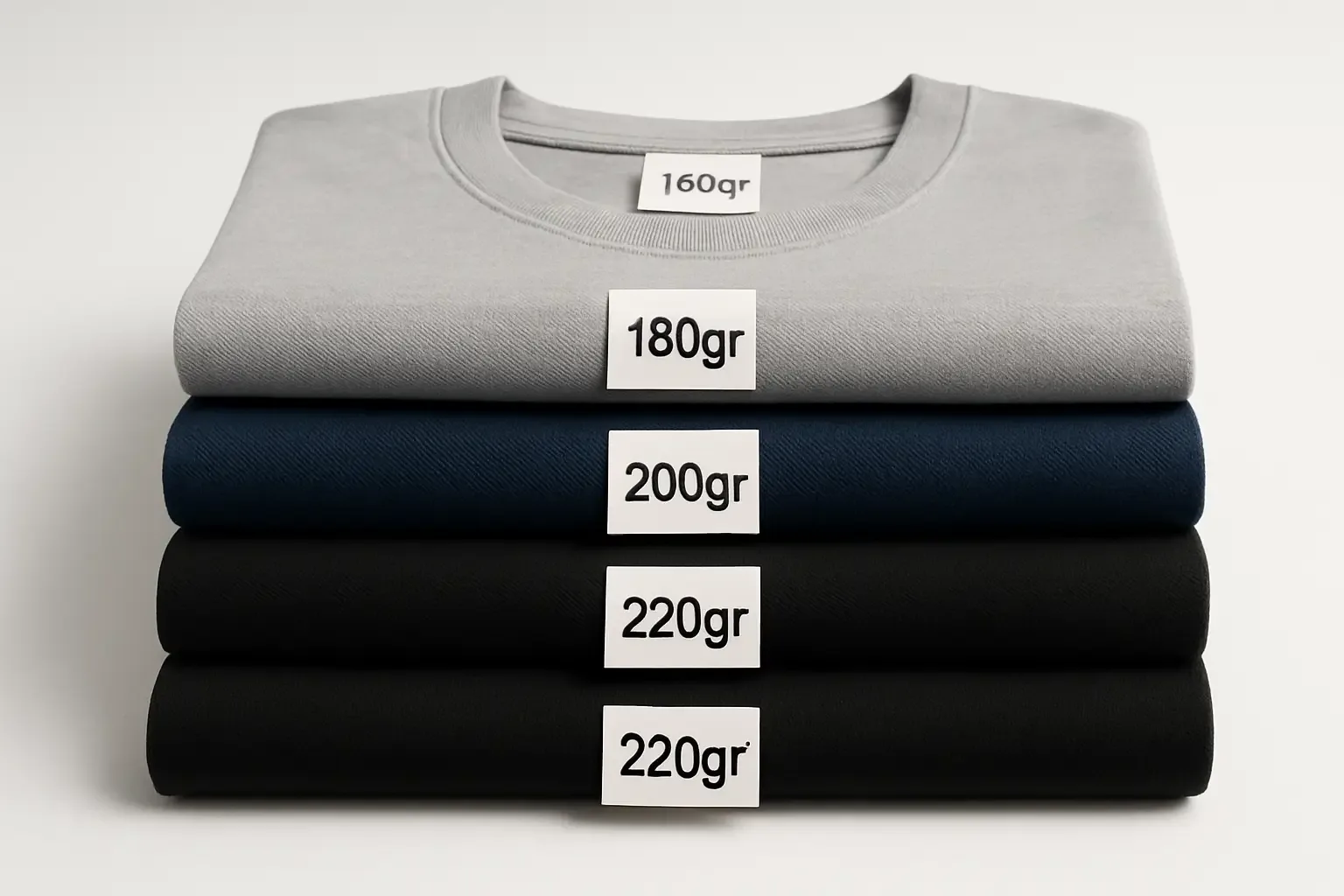
Workwear fabric weight is the fabric's mass per square metre, measured in g/m² (grams per square metre). In the textile sector, weight is the most important technical parameter, directly affecting a fabric's thickness, durability, airflow and service life. In workwear production, the weight is chosen according to the physical conditions of the working environment, seasonal use and the needs of the sector.
For corporate companies, factories and production facilities, logistics firms and chain brands, choosing the right weight is critical for balancing staff comfort, product life and cost. In this guide we look in detail at every weight option from 160 g to 220 g, which weights are preferred in which sectors, and the criteria for deciding.
Why Does Weight Matter?
Workwear fabric weight affects four basic factors:
- Comfort and airflow: Lighter fabrics are lighter, dry faster and reduce sweating in hot environments. A heavier weight keeps you warmer.
- Durability: Heavier fabrics stand up better to washing and abrasion. They give a long life in physically demanding settings such as production lines, workshops and construction sites.
- Corporate look: The 180–200 g range is generally seen as "corporate clothing"; very thin fabrics (140–150 g) look cheap and temporary.
- Unit cost: As the weight rises, fabric cost rises almost in a straight line. It directly affects the annual staff clothing budget.
160 g Workwear: Summer and Light Use
160 g is the lowest standard weight in the workwear sector. With its light, thin, quick-drying construction, it is preferred in the summer months and in hot environments without air conditioning.
Advantages:
- High airflow in hot weather and during intense physical activity
- Low unit cost — ideal for campaigns and one-off events
- Quick drying (1–2 hours) — a short wash cycle
Disadvantages:
- Loses its shape in the wash (deformation after 10–15 washes)
- Can look see-through over thicker underwear (especially in light colours)
- Not durable enough for site and production line use
Ideal use: Summer event T-shirts, trade fair/promotional campaigns, short-term sponsor uniforms, outdoor corporate launches, summer-season service teams at restaurant and café chains.
180 g Workwear: The Standard Industry Choice
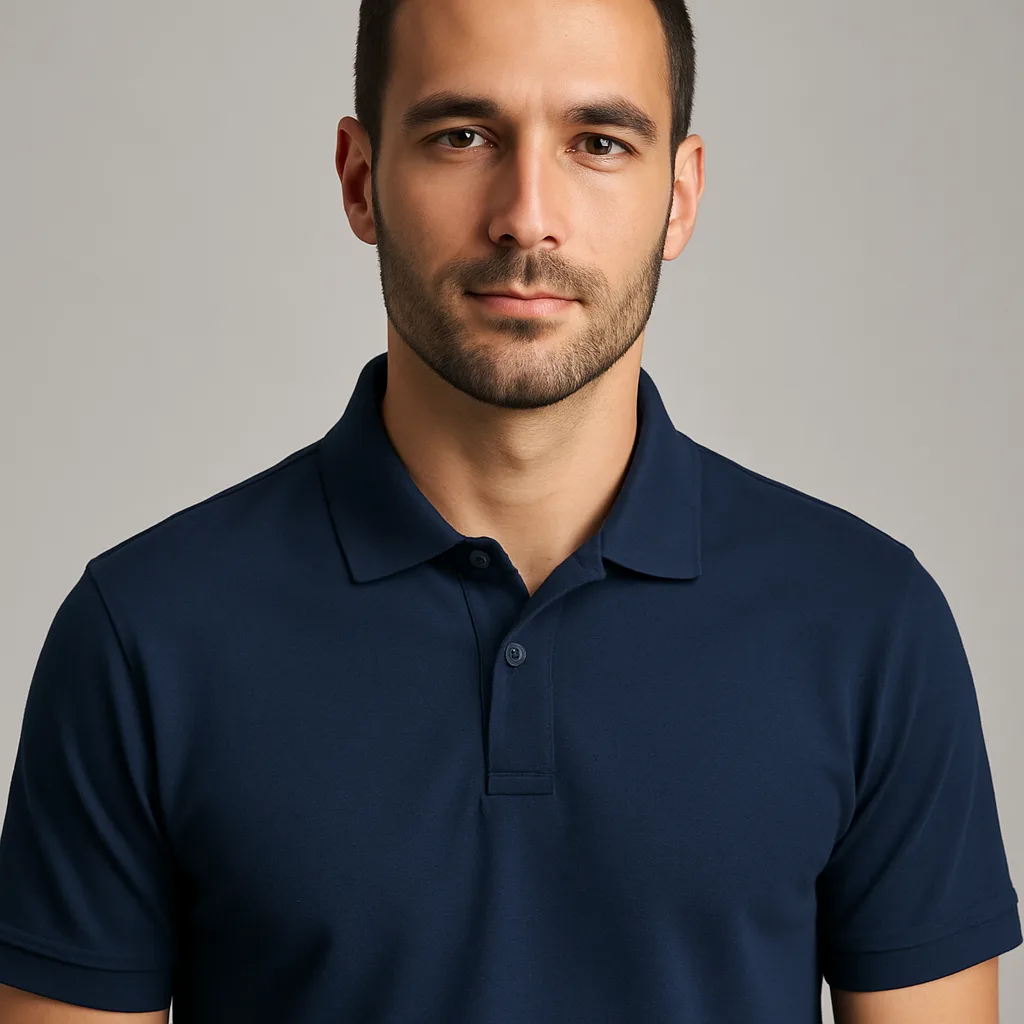
180 g is the most common and accepted standard weight in workwear production. It is the level that best balances comfort, durability, cost and a corporate look. In Mars Wear production, 180 g is the standard weight for all T-shirt models.
Advantages:
- A balance of comfort and durability — can be worn all year round
- Gives a corporate look — it is not thick, but it does not come across as "thin" either
- Withstands 50+ washes, with very little variation between batches
- 180 g cotton piqué offers the best base for corporate logo embroidery
Ideal use: Office and admin team clothing, retail chains, office towers and holding companies, call centre staff, restaurant chain service teams, healthcare chain admin staff, event teams.
200 g Workwear: Factories, Logistics and Workshops
200 g is the standard choice for sectors that demand intense physical activity and high durability. Compared with 180 g, it offers an 11% thicker, fuller and more durable construction.
Advantages:
- 2–3 times more resistant to production line abrasion
- Withstands 100+ washes — no need to replace each season
- Dirt and stains show less
- With a double-knit single jersey construction, the need for an undershirt falls
Disadvantages:
- Can cause sweating in hot environments in summer
- Unit cost 15–20% higher than 180 g
Ideal use: Factories and production lines, logistics and warehouse staff, parcel chain field teams, car repair garages, workshops and metalwork, food production facilities (medium-to-high activity).
220 g+ Workwear: Heavy Industry and Winter
Weights of 220 g and above are used for heavy industry, outdoor staff and winter workwear. They give maximum durability and thermal protection.
Advantages:
- Sufficient as a base layer for cold-weather protection
- Withstands 200+ washes, and even gains a soft texture after washing
- High abrasion resistance in construction, iron and steel, and heavy machinery sectors
Disadvantages:
- Not worn in summer — causes sweating and takes long to dry
- Unit cost 30–40% higher than 180 g
- Can be too thick for logo embroidery; print is preferred
Ideal use: As a base layer for construction site staff, outdoor field teams, iron and steel and foundry plants, cold-weather operations, winter work T-shirts.
Weight Selection by Sector
| Sector | Recommended weight | Reason |
|---|---|---|
| Office and admin teams | 180 g | Balance of corporate look and comfort |
| Call centres and office towers | 180 g | Air-conditioned settings, heavy daily use |
| Retail chain stores | 180 g | Customer interaction, brand appearance |
| Restaurant/café chain service | 180 g piqué | Hot environment, quick drying |
| Hotel chain reception | 180 g | Premium perception, air-conditioned areas |
| Factory production lines | 200 g | Abrasion resistance, long life |
| Logistics and warehousing | 200 g | Carrying loads, pallet work |
| Parcel delivery staff | 180–200 g | Varies with the change of season |
| Workshops and garages | 200 g | Oil and dirt, frequent washing |
| Hospital admin teams | 180 g antibacterial | Hygiene + everyday comfort |
| Food production facilities | 180–200 g antibacterial | HACCP, hygiene is critical |
| Construction sites | 200–220 g | Abrasion, weather conditions |
| One-off events and trade fairs | 160 g | Low cost, single use |
| Corporate runs / marathons | 160 g polyester | Light, quick-drying |
How Weight and Fabric Type Relate
Weight alone is not a sufficient criterion — it must be assessed together with the fabric type. The same 180 g weight performs differently in cotton piqué and a polyester blend:
- 180 g cotton piqué: Textured, breathable, corporate — ideal for offices and retail
- 180 g cotton single jersey: Soft, smooth — for healthcare and events
- 180 g cotton + polyester blend: Shrinks less, more durable — for logistics
- 180 g polyester dry-fit: Quick-drying, static — for sports teams
For details on fabric types, see the Workwear Fabric Guide page.
Can You Order Mixed Weights?
Yes, different weights can be requested in a single order. Common examples:
- Seasonal split: 100 pieces of 180 g summer T-shirts + 100 pieces of 220 g winter T-shirts in the same order
- Department split: 180 g for the office + 200 g for the field, for teams in the same company
- Split by gender: 160 g (lighter) for female staff, 180 g for male staff
In mixed-weight orders, the price for each weight is shown as a separate line.
Frequently Asked Questions
What is the best weight for workwear?
For general office, retail and admin staff, 180 g is the ideal option. In physically demanding settings such as factories, logistics and workshops, 200 g is preferred. For events and short-term use, 160 g is enough.
How much does the price change as the weight increases?
Roughly, moving from 160 g to 180 g adds about 10%, from 180 g to 200 g 15–20%, and from 200 g to 220 g 20–25%. The net price is set at the order stage according to the fabric type.
How big is the durability difference between 180 g and 200 g?
180 g withstands an average of 50–80 washes, while 200 g double-knit single jersey withstands 100+. In physically demanding settings, 200 g lasts about twice as long.
Is it right to use a heavy weight in a hot climate?
No. In summer and hot climates, 160–180 g is ideal. Heavy weights of 220 g+ increase sweating in summer and reduce staff comfort. Adjusting the weight with the change of season is recommended.
Which weight gives the best result for logo embroidery?
The best weight for embroidery is the 180–200 g range. 160 g is too thin and leaves needle holes; 220 g+ is too thick and strains the embroidery machine. 180 g is accepted in the industry as the standard base for embroidery.
Does an antibacterial treatment affect the weight?
No, an antibacterial finish does not change the fabric's weight. Only a chemical/ion treatment is applied to the fabric surface. 180 g antibacterial cotton piqué is the standard choice in the healthcare sector.
Is weight calculated differently for polyester blends?
No, weight is always calculated in g/m². However, polyester blend fabrics feel lighter than 100% cotton at the same weight and are more durable. They are an ideal alternative for logistics and warehousing.
Conclusion: Choosing the Right Weight
The basic rule for choosing workwear fabric weight: 180 g as standard, 200 g for heavy work, 160 g for events. When deciding, the working environment, season, wash frequency, brand perception and budget should be weighed together.
At Mars Wear, we offer bulk production in every weight option from a minimum of 100 pieces. For weight advice specific to your company, you can make a quick quote request or choose products from the current work T-shirts category.
Keep reading
 Workwear Guides
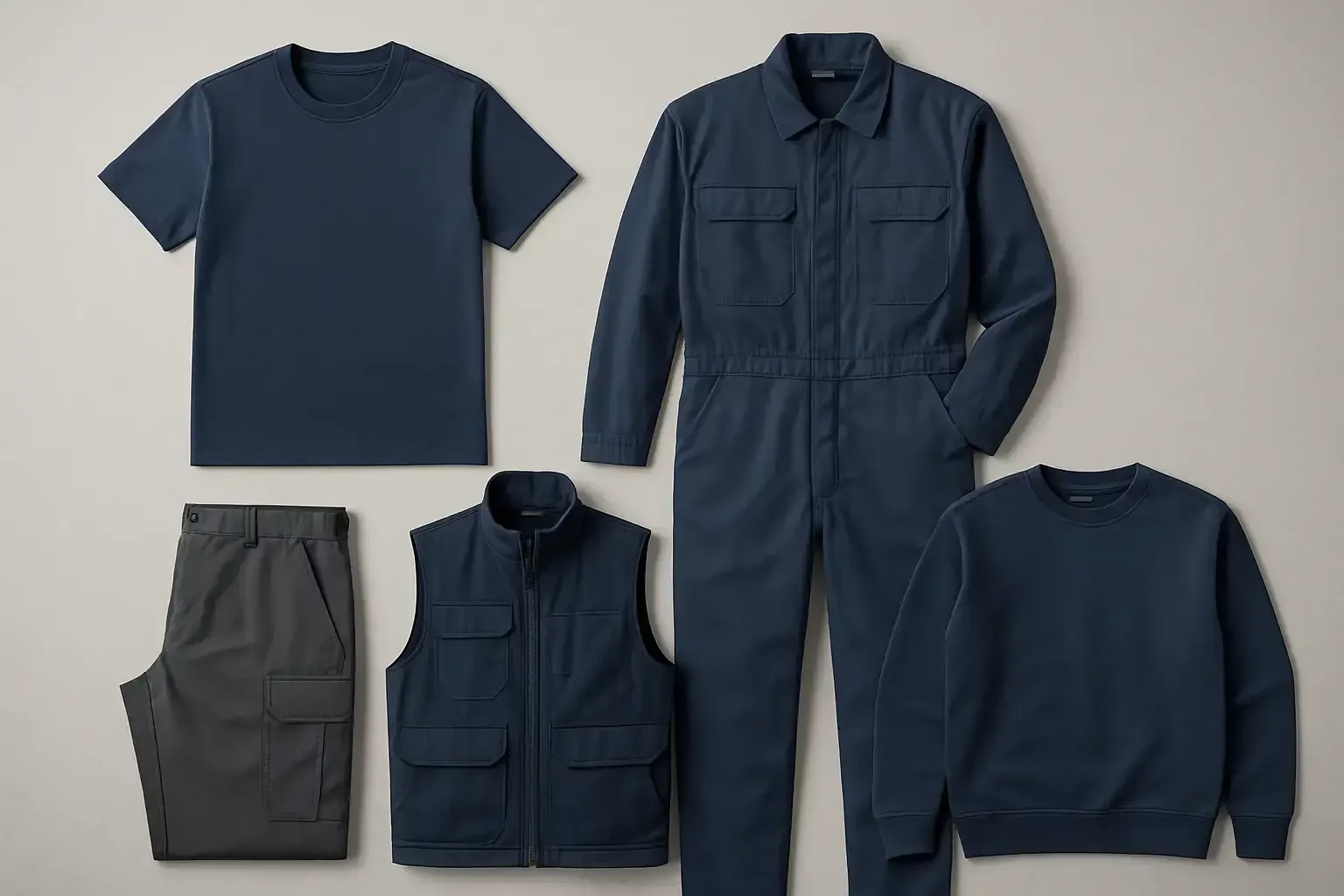
Workwear Models (Category Guide)
Workwear models: T-shirts, trousers, coveralls, gilets and sweatshirts. A guide to choosing by use, fabric and weight. Get a quote for logo production.
 Workwear Guides
Bulk Logo Workwear Production (Min. 100)
Bulk logo workwear and work clothing manufacturing from 100 pieces. Sampling, fabric, production and a 15-working-day delivery process. Get a quote.
 Workwear Guides
Workwear Prices and Cost Guide
Workwear prices vary with fabric, weight, printing and quantity. Learn the logic of tiered costs and get a net price quote for your project.