
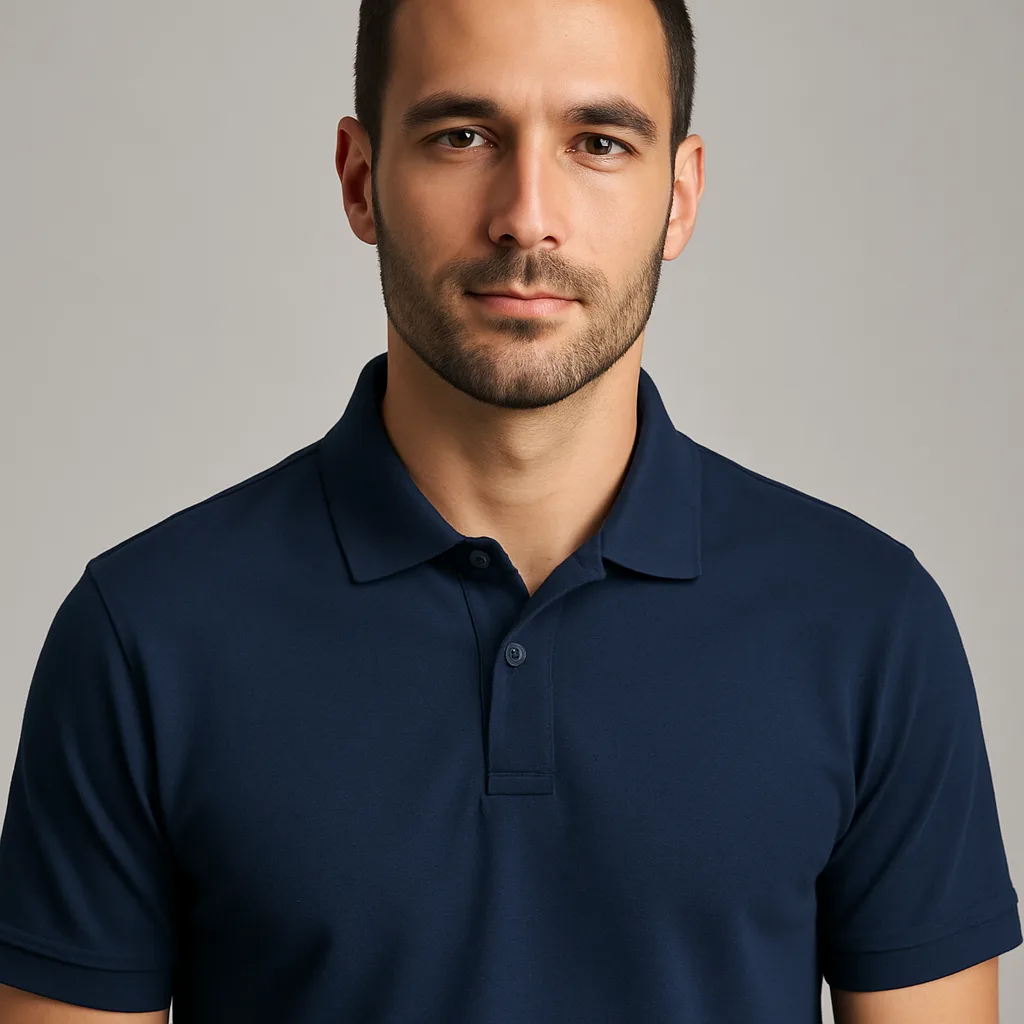
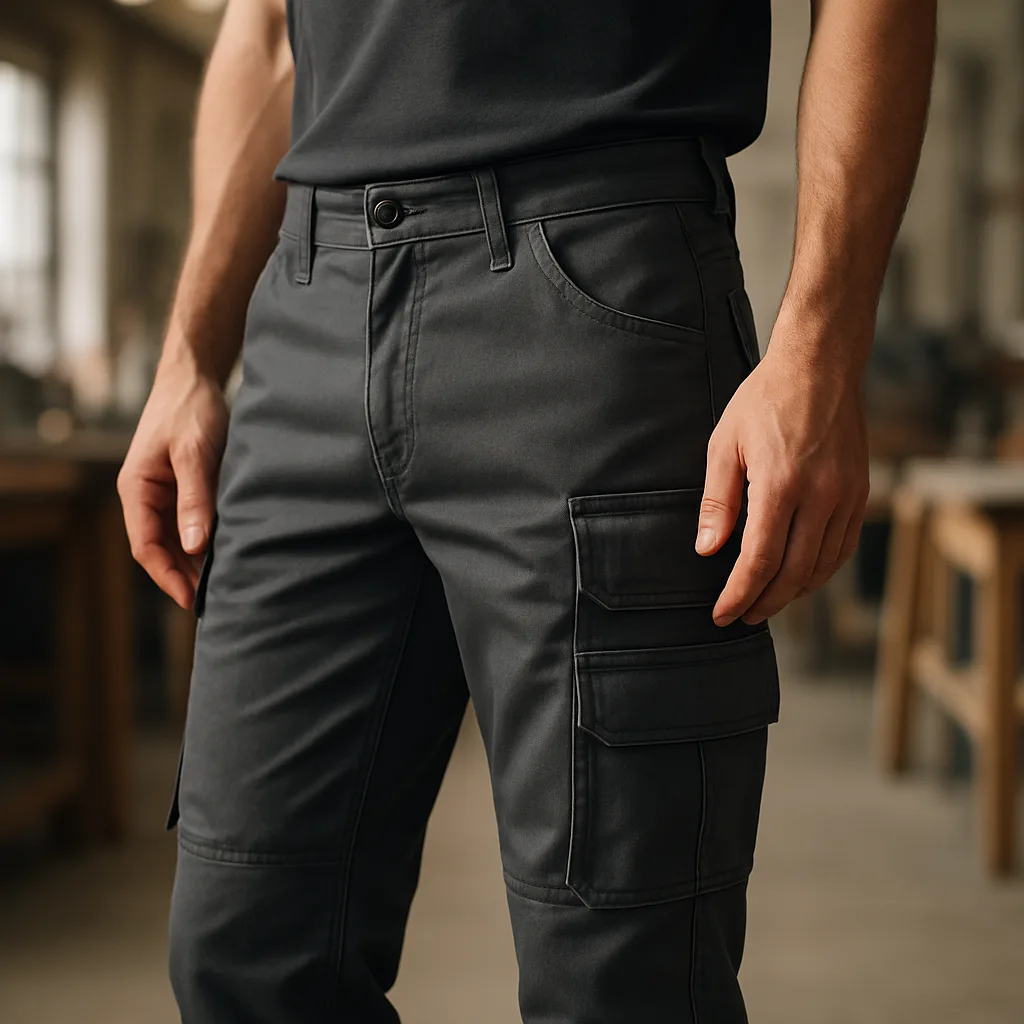










Work T-Shirt Weight Guide: 160–220 g in Detail
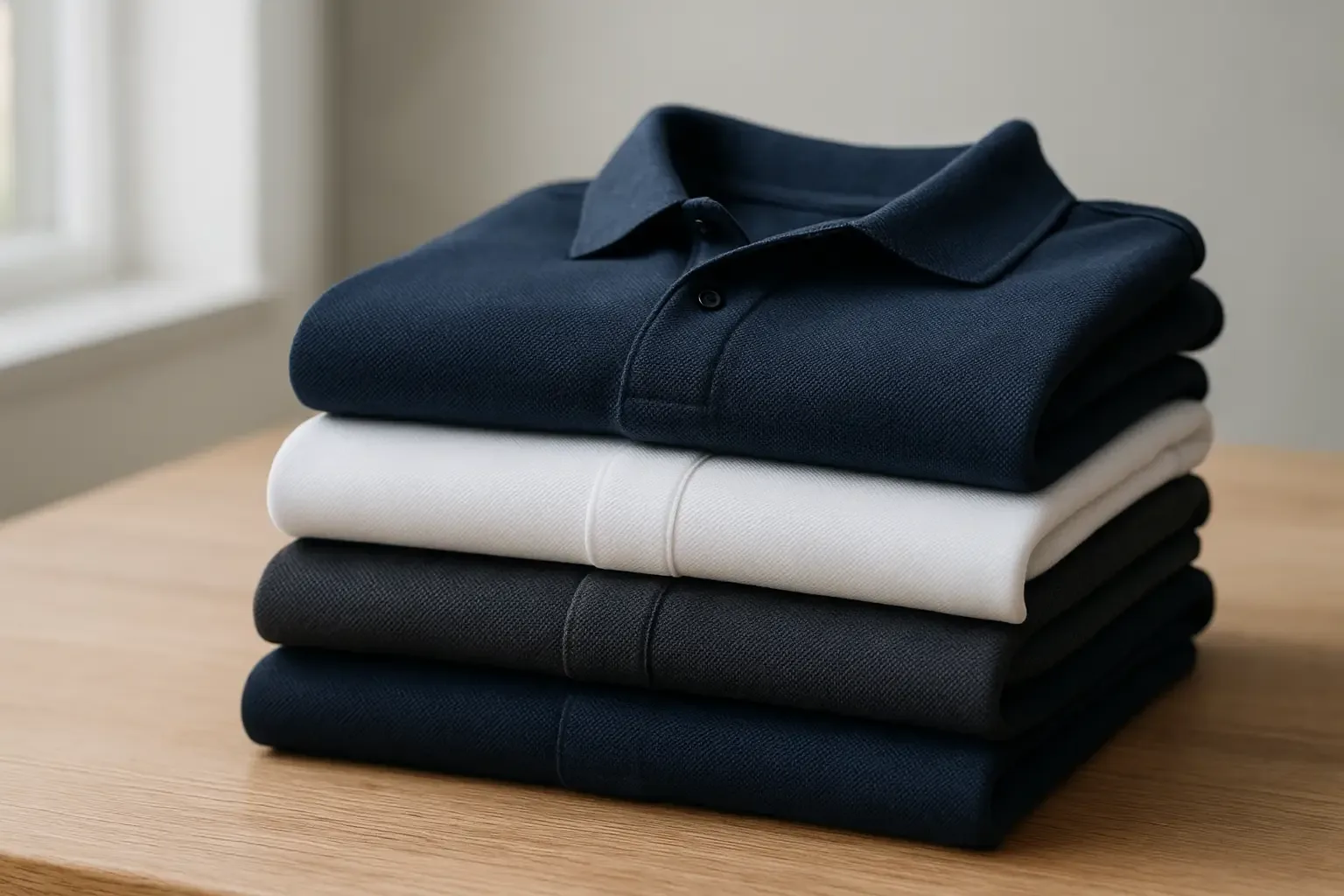
One of the most critical technical decisions in a corporate work T-shirt order is choosing the weight. Weight is the fabric's mass per square metre (g/m²), and it directly decides the T-shirt's durability, drape, warmth and service life. In bulk runs of 100 pieces or more, choosing the wrong weight comes back as a high return rate, early wear, staff complaints and the cost of producing again. This guide was written to help B2B buyers such as factories, logistics firms, restaurant chains, office towers, healthcare and private security choose the right weight for their working conditions.
What Is T-Shirt Weight and Why Does It Matter?
Weight is the mass of one square metre of fabric in grams. The same type of fabric (piqué, single jersey, polyester blend) can be knitted at different weights. A heavier fabric is generally thicker, more matt and more durable; a lighter fabric is lighter, thinner and more breathable.
With work T-shirts, the choice of weight depends on three main factors: how often it is worn (an eight-hour shift every day, or two days a week?), how often it is washed (every day, or weekly?) and the working environment (a hot factory, an air-conditioned office, an outdoor site). The wrong weight deforms within the first few washes, damages the print or embroidery and breaks the consistency of the corporate identity.
160 g T-Shirts: Light and for Summer
160 g T-shirts are thin, light and quick-drying. They are preferred in summer for office towers, air-conditioned call centres, event staff and short-term promotional giveaways. Their one drawback is that, with frequent washing, the thin fabric wears out sooner. Recommendation: suitable for seasonal or low-intensity use.
180 g T-Shirts: The Standard Corporate Choice
The 180 g T-shirt is the most common choice for corporate bulk production in Türkiye. It balances lightness and durability. It is the ideal weight for office towers, holding company head offices, retail chain store staff, event teams and tech companies. When 180 g is chosen in cotton piqué, the T-shirt can be worn all year round and withstands 50+ wash cycles.
200 g T-Shirts: Industrial Durability
200 g T-shirts are made for environments that demand heavy physical use, such as factory production lines, logistics warehouses, parcel distribution, workshops and service staff. Their thicker construction resists wear, abrasion and frequent washing. They keep logo prints and embroidery for a long time. Companies with production facilities usually move to a 200 g standard.
220 g T-Shirts: Heavy Duty and Cold Weather
T-shirts of 220 g and above suit heavy-duty work, outdoor sites, cold stores and layering in the mid-season. They can also be worn on their own as an outer layer. They are preferred on construction sites, in heavy logistics, warehouse operations, production facility shifts and some private security settings. Their drawback is that they increase sweating in hot environments and have a stiffer drape.
Weight Comparison Table
| Weight | Thickness | Season | Wash resistance | Recommended sector |
|---|---|---|---|---|
| 160 g | Thin, light | Summer | Medium | Events, office towers, call centres |
| 180 g | Medium | All year | High | Corporate offices, retail, tech |
| 200 g | Thick | Spring–autumn | Very high | Factories, logistics, warehouses, parcel services |
| 220 g+ | Very thick | Autumn–winter | Maximum | Construction sites, heavy outdoor work, cold stores |
Weight Recommendations by Sector
The corporate buyer's sector directly decides the right weight. For restaurant and café chains, 180 g piqué (for its attractive drape) is recommended for front-of-house staff, and 200 g cotton single jersey (for managing sweat) for kitchen staff. In hotel chains, 180 g is standard for front office and 200 g for housekeeping. Logistics and warehouse firms prefer 200 g; factories and production facilities 200–220 g; office towers and tech offices 180 g; healthcare chains 180 g antibacterial fabric; and private security firms 200 g in dark colours. Because the minimum order is 100 pieces, small single-site businesses fall outside the target audience.
Weight Loss After Washing
Every T-shirt loses between 3% and 7% of its weight in the first 5–10 washes. This is a natural process related to the fabric settling. With the right care, this loss levels off. Washing above 60 °C, hard spinning and tumble drying speed up the loss. Washing at 30–40 °C and drying naturally give a long life. For more, see our Workwear Care Guide page.
Cotton vs Polyester Blend Weight
A 180 g 100% cotton T-shirt and a 180 g 65% polyester / 35% cotton blend do not feel the same thickness. The polyester blend feels lighter but increases durability. Cotton is preferred in kitchens and hot environments; blended fabric on sites, in warehouses and outdoors. For more on fabric types, see our Fabric Guide page.
The Mars Wear Standard and Ordering Process
At Mars Wear, we produce all of the 160 g, 180 g, 200 g and 220 g options at our production facility in Zeytinburnu, Istanbul. The minimum order is 100 pieces. The standard lead time is 15 working days, and express production is 10 working days. For custom Pantone colour requests, a minimum of 200 pieces and 1–2 weeks of extra production time apply. The size range is XS–5XL; we make special sizes of 6XL and above. For a corporate quote, you can reach us through the contact form.
Frequently Asked Questions
Which weight of work T-shirt lasts longest?
200 g and 220 g T-shirts have the highest wash resistance. With the right care, 80–120 wash cycles can be expected.
What weight suits a summer work T-shirt?
For air-conditioned settings, 160–180 g is recommended; for a hot factory, 200 g cotton single jersey.
Does logo printing change with the weight?
Yes. On thin 160 g fabric, screen printing stiffens the fabric and embroidery struggles. 180 g and above suits every printing method.
What is the drawback of a 200 g T-shirt?
In summer heat, in settings without air conditioning, it increases sweating. In an air-conditioned office it is not a problem.
How do you choose the weight for blended fabric?
A 65% polyester blend T-shirt feels lighter than cotton at the same weight. Organisations that want a cotton feel should choose one weight up.
Does the weight change as the size gets bigger?
No, the same fabric and the same weight are used across all sizes of the same model. Only the total fabric area changes.
Which weights does Mars Wear keep in stock?
180 g and 200 g cotton piqué are Mars Wear's standard stock. Other weights are produced to order.
What is the minimum order?
For every weight, the minimum order is 100 pieces. This quantity is aimed at corporate bulk buyers rather than small single-site businesses.
Keep reading
 Workwear Guides
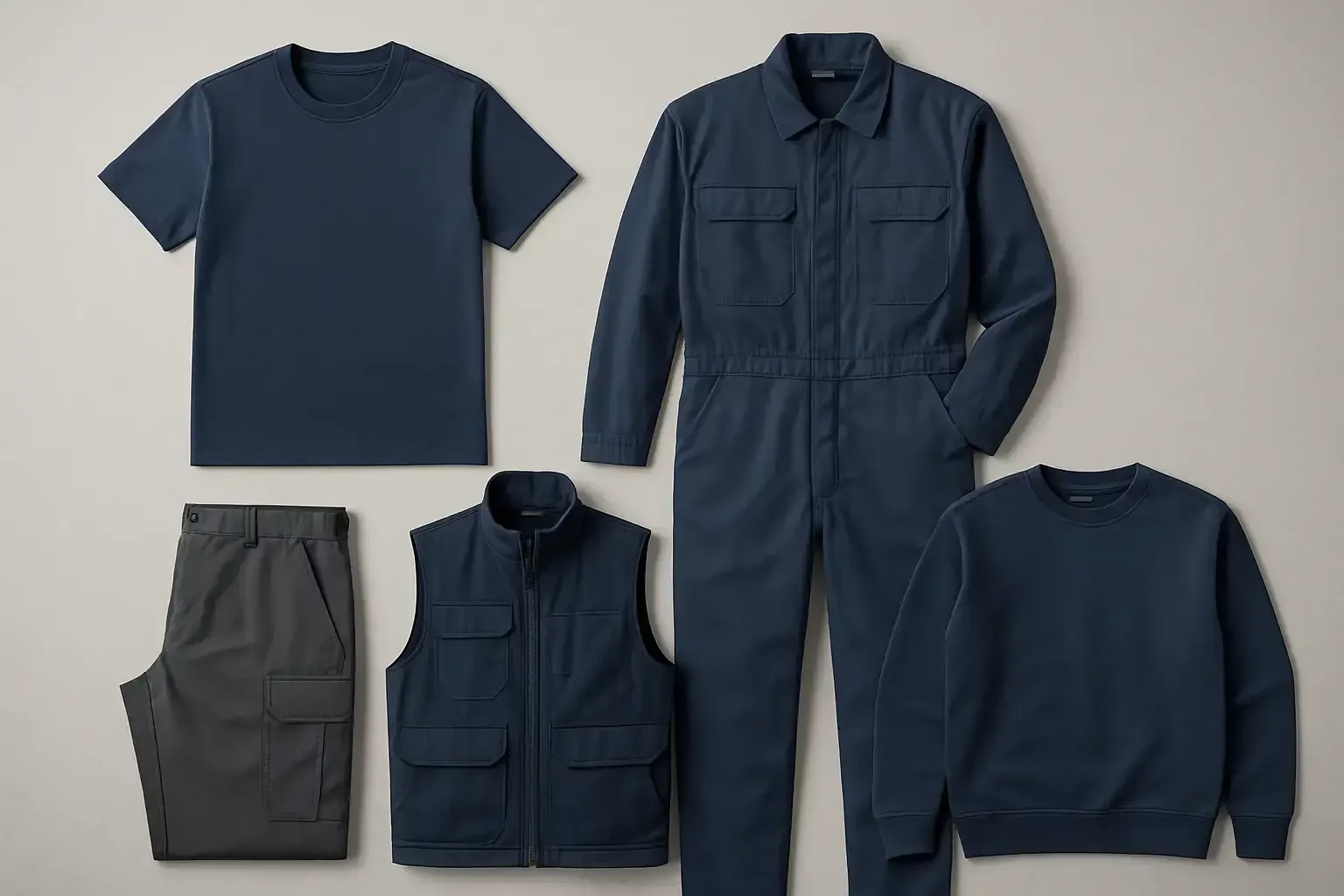
Workwear Models (Category Guide)
Workwear models: T-shirts, trousers, coveralls, gilets and sweatshirts. A guide to choosing by use, fabric and weight. Get a quote for logo production.
 Workwear Guides
Bulk Logo Workwear Production (Min. 100)
Bulk logo workwear and work clothing manufacturing from 100 pieces. Sampling, fabric, production and a 15-working-day delivery process. Get a quote.
 Workwear Guides
Workwear Prices and Cost Guide
Workwear prices vary with fabric, weight, printing and quantity. Learn the logic of tiered costs and get a net price quote for your project.