









Staff Clothing Selection Guide: A Decision Matrix for HR and Operations Managers
Why Is Staff Clothing a Strategic Decision?
Staff clothing is not just what employees wear; it is visible proof of the balance between brand identity, operational efficiency, legal compliance and employee satisfaction. For corporate companies, chain brands, factories and hospital groups, staff clothing needs an annual budget running into millions of Turkish lira; the right decision-making process affects both cost and reputation.
This guide is a comprehensive decision matrix that standardises the staff clothing selection process for HR managers, operations managers, procurement specialists and company owners. It covers every step up to choosing the right supplier, weighing sector, department, fabric, colour, certificates, budget and sustainability together.
At its production facility in Zeytinburnu, Istanbul, Mars Wear offers corporate staff clothing production under Sector Solutions from a minimum of 100 pieces.
Step 1: Sector Analysis
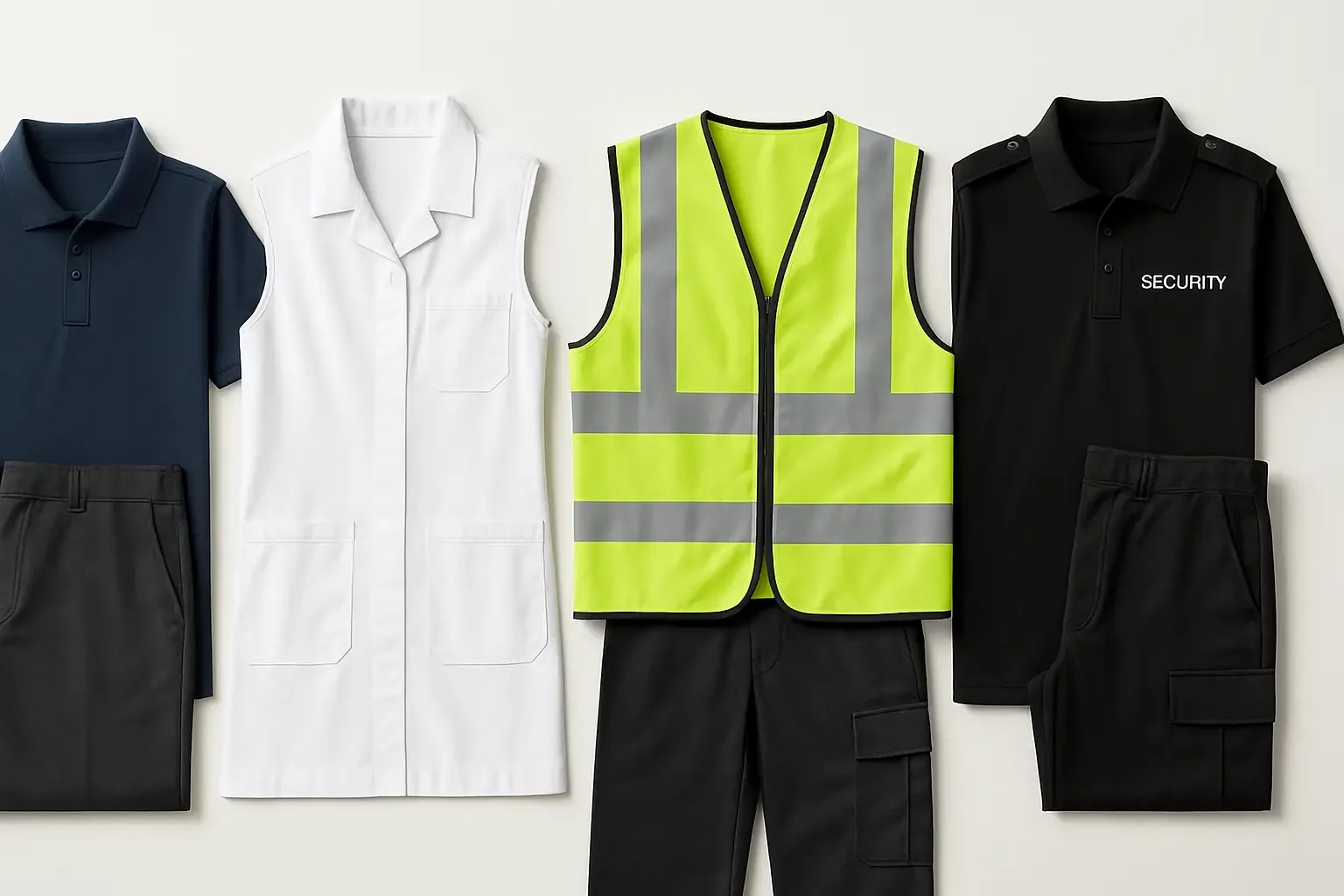
Choosing the right staff clothing starts with an analysis of sector risk and visual identity. Which sector, which department and which risks are you working with?
| Sector | Primary need | Clothing priority |
|---|---|---|
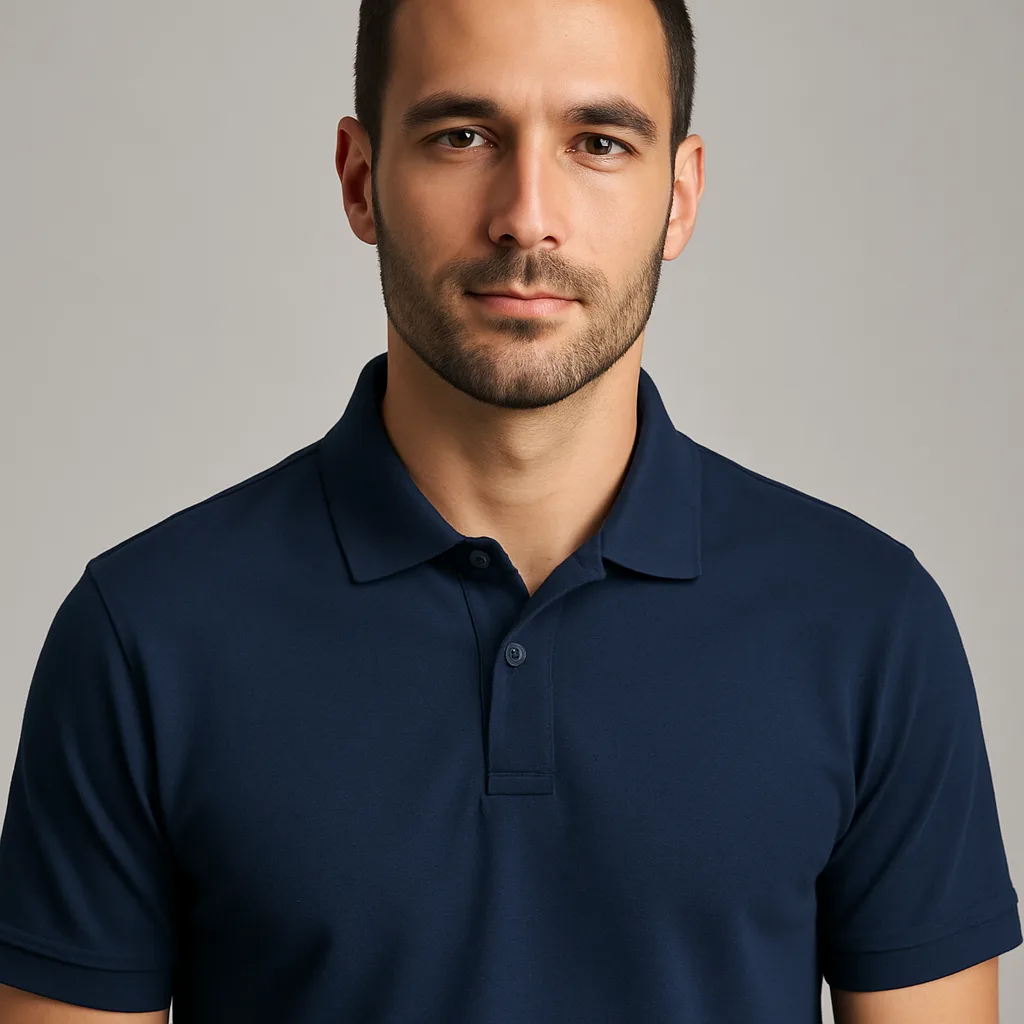
| Offices, office towers, call centres | Visual quality | Piqué polo + standard trousers |
| Retail chains | Customer interaction | Polo / V-neck + sweatshirt + fleece gilet |
| Hotel and restaurant chains | Hygiene + customer perception | Polo + apron + S2 kitchen shoes |
| Hospital admin | Hygiene + corporate | Antibacterial mandarin collar + apron |
| Pharmacy chains | Hygiene + professionalism | White coat + polo |
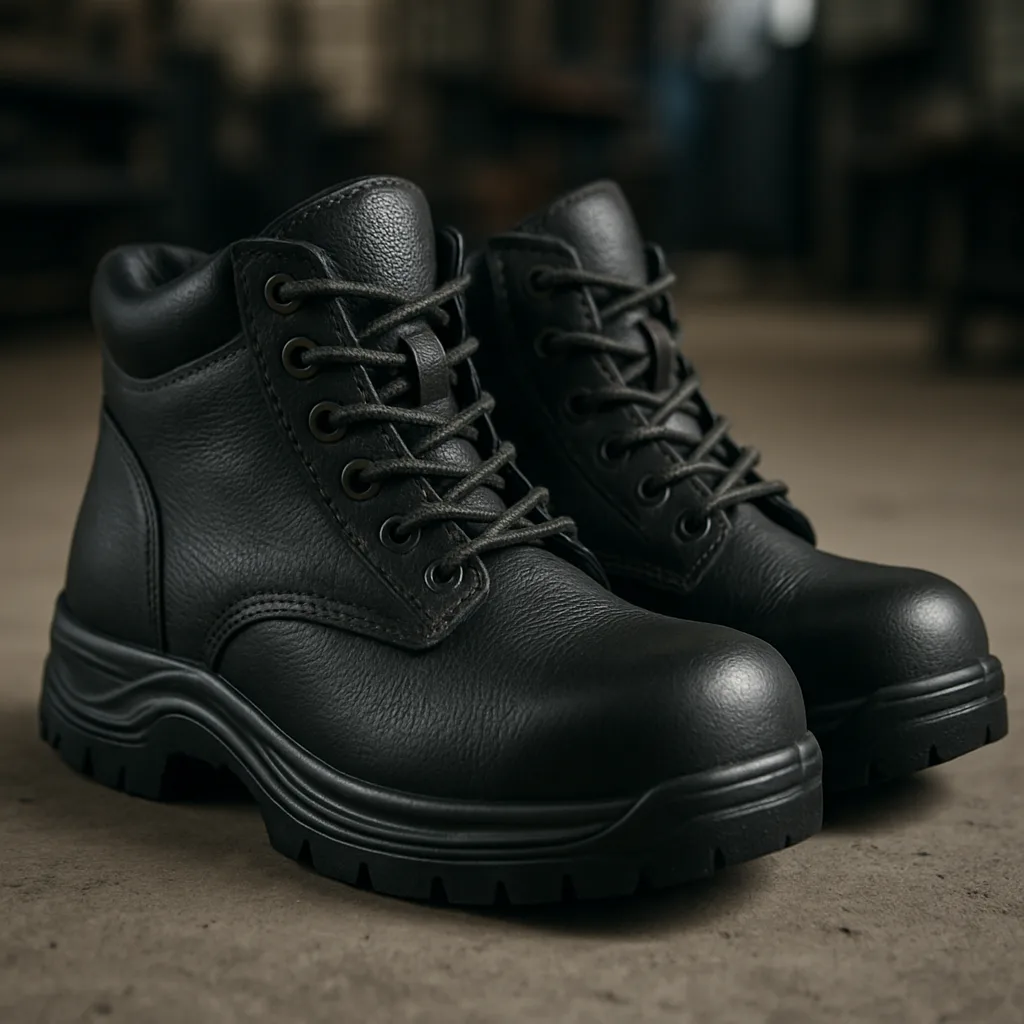
| Factory production | Durability + safety | 200 g blend crew neck + S1P boots |
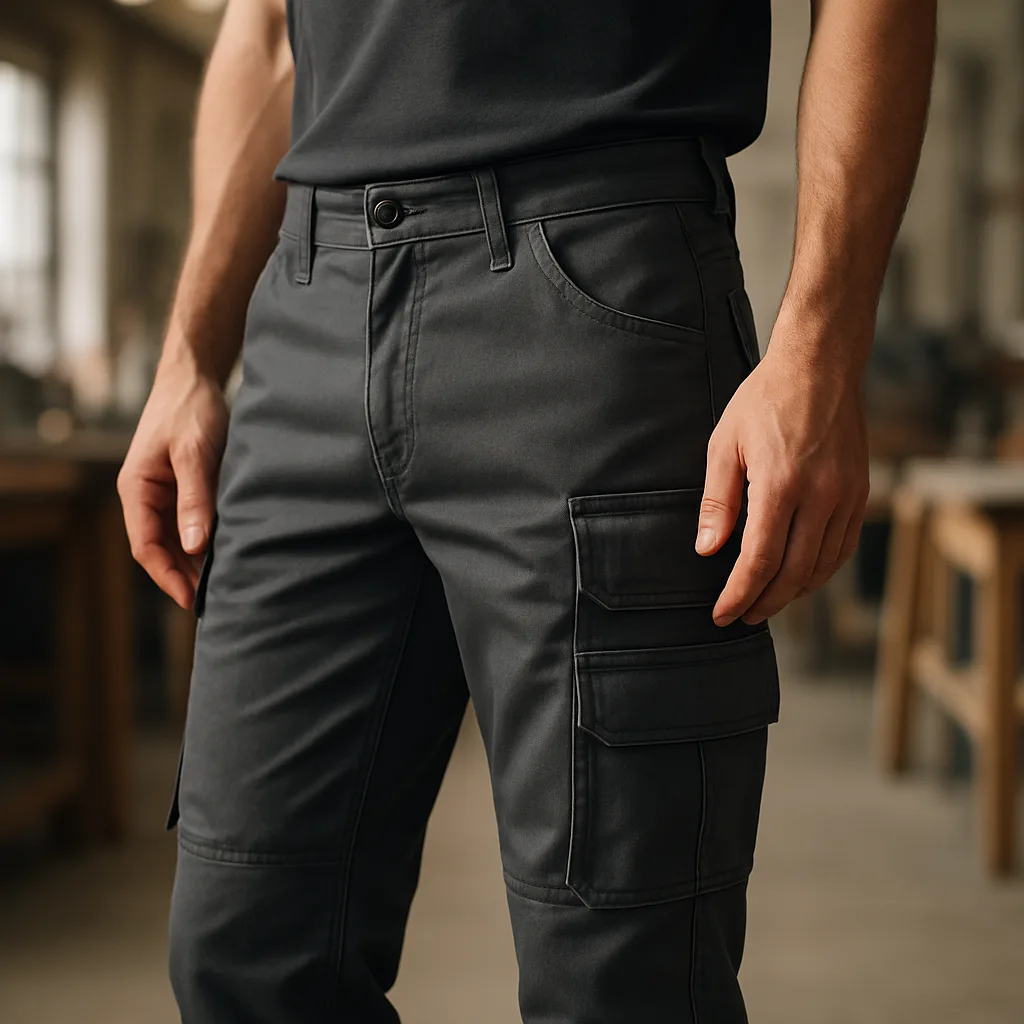
| Logistics, warehousing | Movement + visibility | Polo + cargo trousers + hi-vis vest |
| Construction sites | Safety (S3, EN 397) | Polo + knee-reinforced trousers + S3 boots + hi-vis jacket |
| Private security | Compliance with the Law No. 5188 regulation | Security uniform + S1P boots |
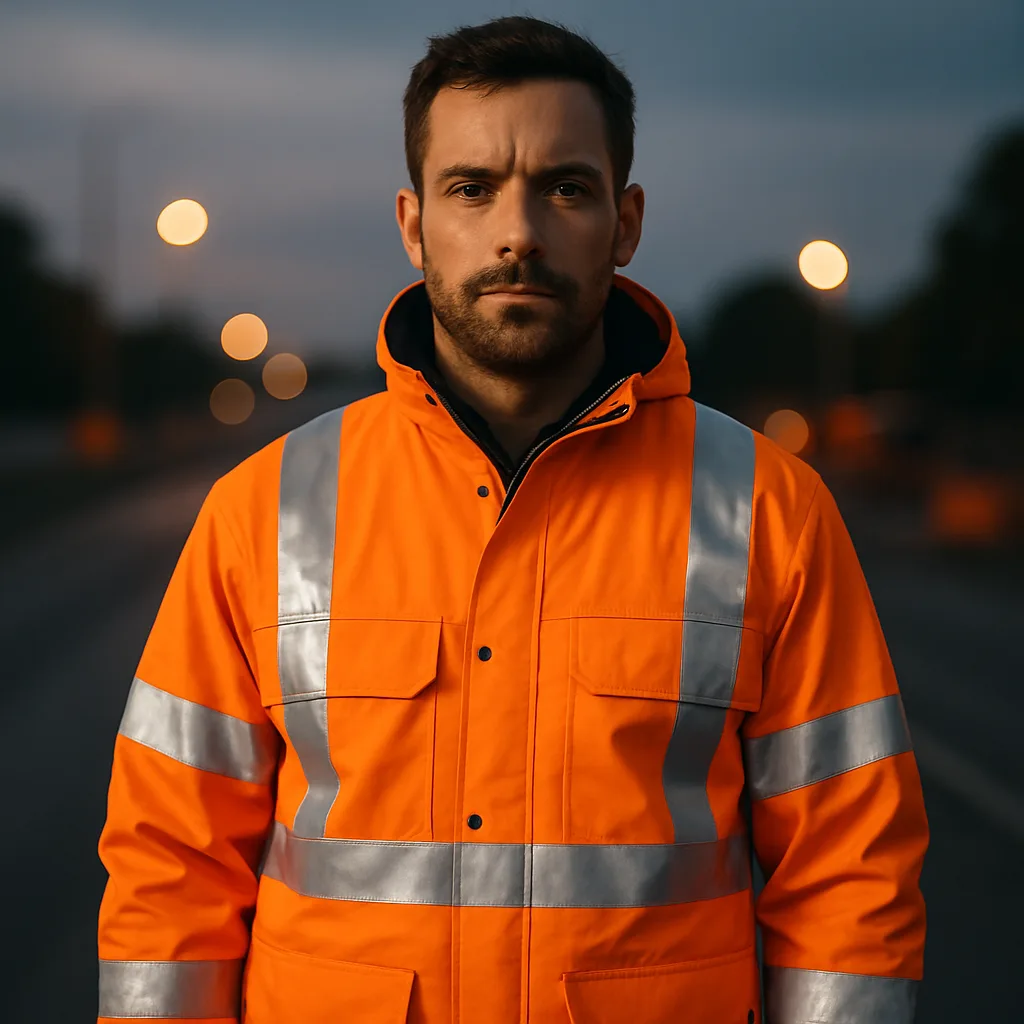
| Highways, BOTAŞ | EN ISO 20471 Class 3 | Full hi-vis set + waterproof jacket |
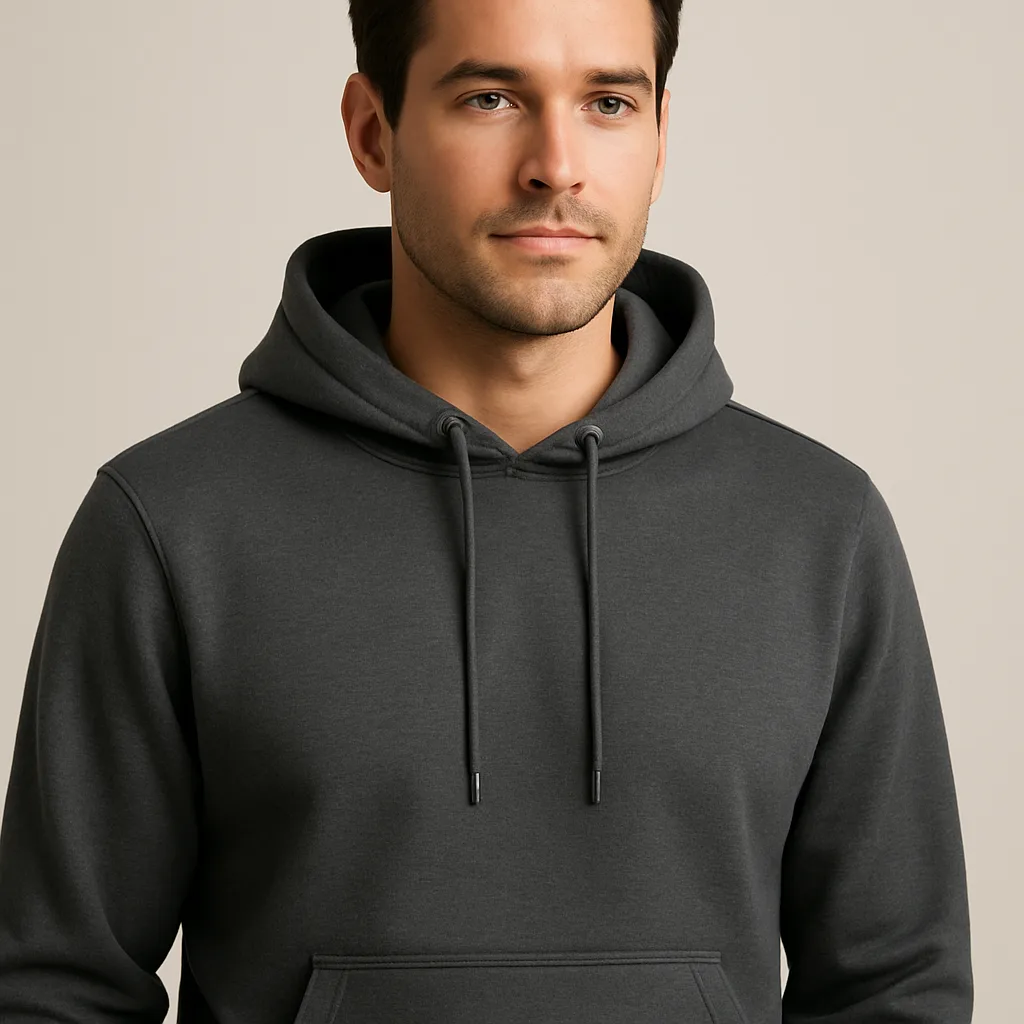
| Tech companies, start-ups | Casual corporate | Hoodie + polo + cargo trousers |
| Municipal, landscaping | Seasonal + reflective | Summer + winter + hi-vis vest |
Step 2: Separating by Department
Different departments within the same company have different clothing needs. An example of department separation in a hospital group:
| Department | Clothing type | Colour |
|---|---|---|
| Admin staff | Piqué polo + standard trousers | White / light blue |
| Reception | Apron + polo | White |
| Technical service | Cargo trousers + polo + boots | Anthracite / navy |
| Cleaning staff | T-shirt + trousers + apron | Green |
| Security | Private security uniform | Black |
| Gardens / landscaping | Work T-shirt + hi-vis vest | Hi-vis yellow |
Separating departments is critical for visual hierarchy and operational efficiency. Companies that use colour coding make it easier to guide customers and visitors.
Step 3: Choosing Fabric and Weight
Fabric choice is set where comfort, durability and cost meet. The six main fabric types in Mars Wear production:
| Fabric | Comfort | Durability | Cost | Ideal sector |
|---|---|---|---|---|
| 100% cotton piqué | ★★★★ | ★★★ | Medium | Offices, retail, hotel service |
| 100% cotton single jersey | ★★★★★ | ★★★ | Medium | Healthcare, sensitive skin, events |
| Cotton-polyester 50/50 | ★★★ | ★★★★★ | Medium to high | Logistics, factories, workshops |
| Polyester dry-fit | ★★★ | ★★★★ | Low to medium | Sport, events, outdoors |
| Antibacterial cotton | ★★★★ | ★★★★ | High | Healthcare, food, clinics |
| Gabardine (trousers) | ★★★ | ★★★★★ | Medium to high | Field, production, construction sites |
For detailed fabric information, see the Workwear Fabric Guide page.
Step 4: Colour and Brand Identity
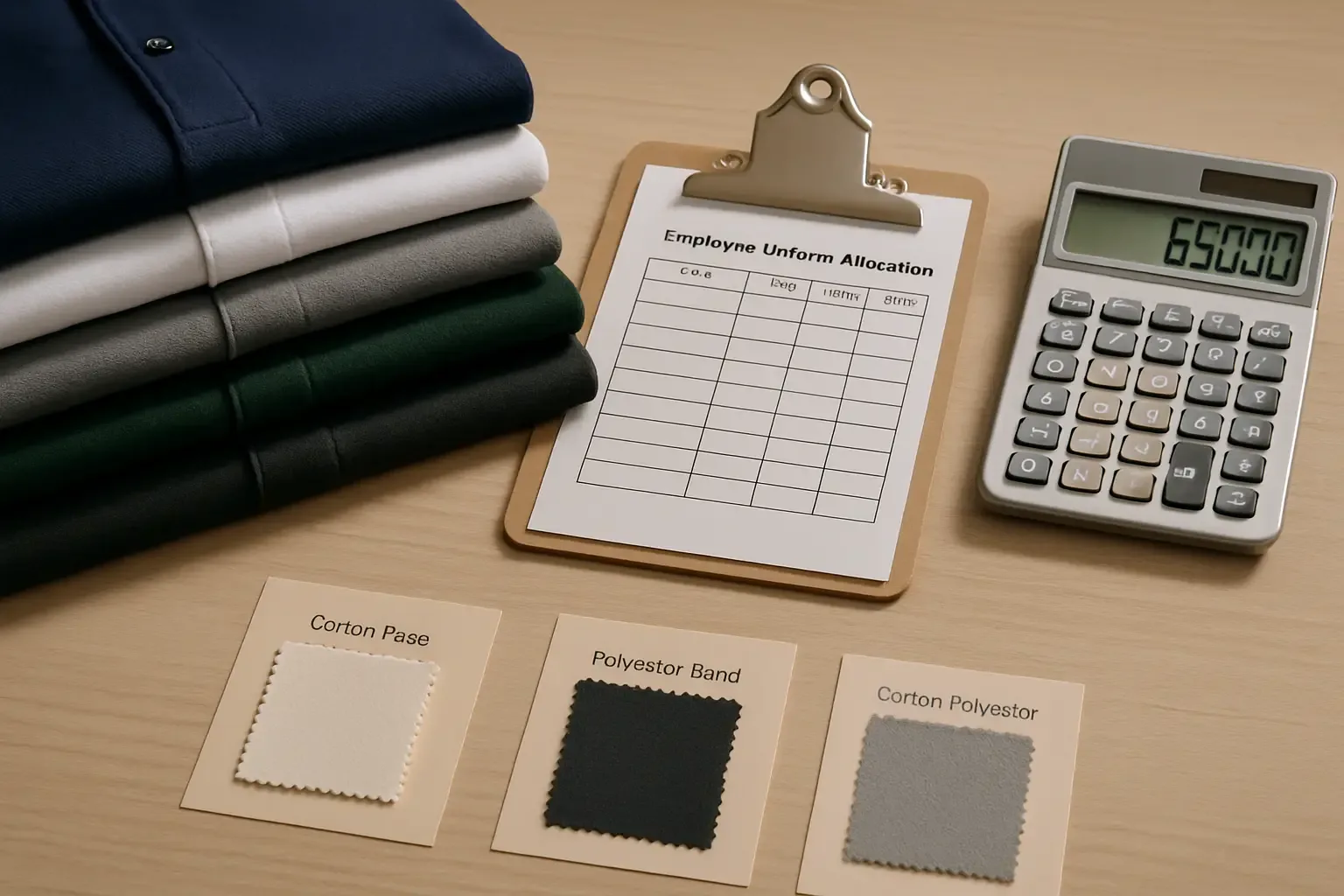
The choice of corporate colour directly affects brand perception:
- White: Hygiene, clinical, professionalism. Hospitals, pharmacies, food production.
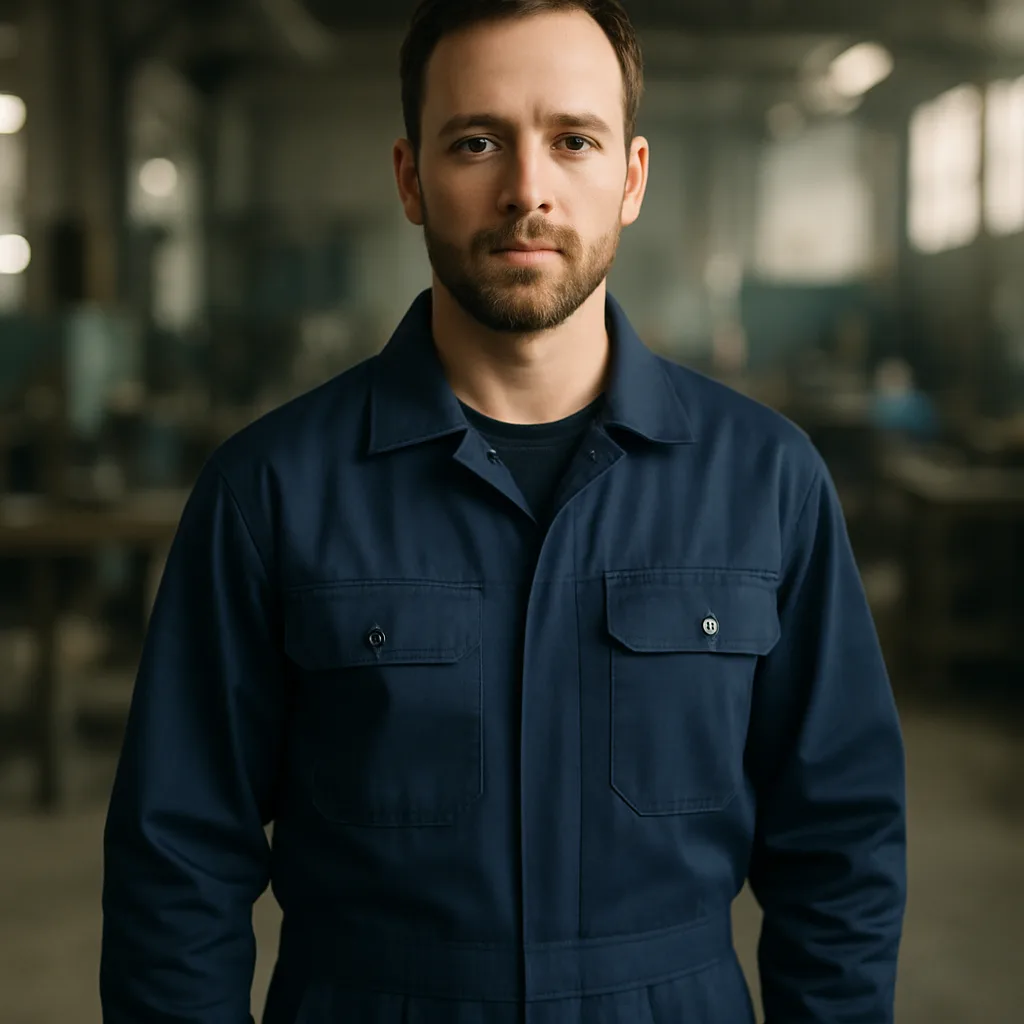
- Navy: Trust, corporate authority. Office towers, holding companies, finance.
- Black: Premium, modern. Hairdressers, beauty, private security.
- Anthracite / grey: Modern, does not show stains. Technical service, production.
- Burgundy: Warm, prestigious. Restaurant chains, hotel service.
- Green: Natural, health. Landscaping, pharmacies, healthcare admin.
- Hi-vis yellow/orange: Visibility, safety. Highways, BOTAŞ, construction sites.
- Pantone brand colour: Corporate identity (minimum order of 200 pieces).
A custom Pantone-based colour order needs 1–2 weeks of extra production time.
Step 5: Logo and Brand Application
The logo application method decides brand perception and durability:
| Method | Wash resistance | Unit cost | Ideal use |
|---|---|---|---|
| Embroidery | 200+ washes | High | Premium, constant use |
| Transfer printing | 40–60 washes | Medium | Multi-colour, campaigns |
| Screen printing | 80+ washes | Very low (500+ pieces) | High quantity, simple logo |
| DTG (digital) | 50–70 washes | Medium | Complex designs |
| Sublimation | Unlimited | Medium | Polyester, dry-fit |
| Reflective flock print | 50+ washes | High | Security back lettering |
Details: Logo Printing and Embroidery Methods Guide
Step 6: Certificate Requirements
Certificates according to sector and international supply requirements:
| Certificate | Scope | Sector |
|---|---|---|
| OEKO-TEX Standard 100 | Textile chemical safety | International franchises, export |
| EN ISO 20471 | Hi-vis clothing | Highways, construction sites, logistics |
| EN ISO 20345 | Safety footwear | Every sector that needs PPE |
| EN 397 | Industrial hard hats | Construction, factories |
| EN 388 | Mechanical work gloves | All production |
| HACCP / ISO 22000 | Food safety | Restaurants, food production |
| Law No. 5188 | Private security uniforms | Security companies |
| GOTS | Organic textiles | Green buildings, children's uniforms |
Detailed certificate guide: OEKO-TEX Standard 100
Step 7: Planning Sizes and Mixed Orders
The most common mistake in managing staff clothing orders is the wrong size breakdown. The standard size range is XS–5XL.
Standard Size Breakdown in Türkiye (Male Staff)
- XS: 3%
- S: 12%
- M: 25%
- L: 28%
- XL: 20%
- 2XL: 8%
- 3XL: 3%
- 4XL+: 1%
Mixed Order
A typical mix for an order of 500 polo shirts at a 500-person company:
- XS — 15 pieces
- S — 60 pieces
- M — 125 pieces
- L — 140 pieces
- XL — 100 pieces
- 2XL — 40 pieces
- 3XL — 15 pieces
- 4XL+ — 5 pieces
For companies that cannot carry out a size survey, Mars Wear takes a "standard breakdown" order and adds a 5–10% spare-size buffer. Details: Workwear Size Chart.
Step 8: Seasonal Planning
Corporate staff clothing is completed in two main orders a year:
| Season | Order month | Delivery | Contents |
|---|---|---|---|
| Summer season | Early March | Early May | Light gabardine trousers, piqué polos, dry-fit T-shirts |
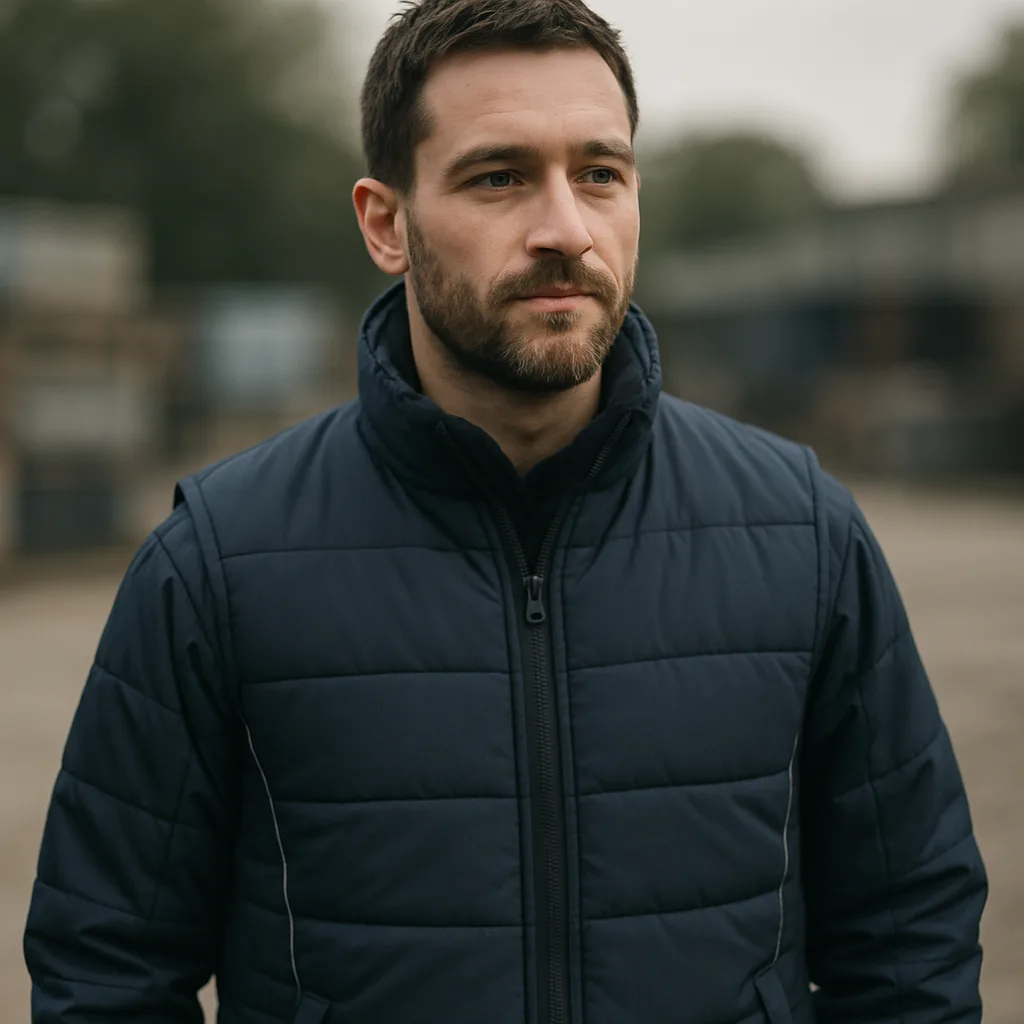
| Winter season | Early September | Early November | Winter jackets, fleece-lined trousers, sweatshirts |
An annual framework agreement option reserves production line capacity at the start of the season. Details: Seasonal Solutions
Step 9: Calculating the Budget
An example of the annual staff clothing budget for a 500-person logistics company:
| Item | Quantity | Unit price | Total |
|---|---|---|---|
| Summer polo | 2,000 | TRY 200 | TRY 400,000 |
| Summer trousers | 1,000 | TRY 350 | TRY 350,000 |
| Hooded sweatshirt | 500 | TRY 400 | TRY 200,000 |
| Winter work jacket | 500 | TRY 900 | TRY 450,000 |
| Winter trousers | 500 | TRY 450 | TRY 225,000 |
| Hi-vis vest | 500 | TRY 200 | TRY 100,000 |
| S1P boots | 500 pairs | TRY 500 | TRY 250,000 |
| Annual total | — | — | ~TRY 1.98 million |
With an annual framework agreement, this amount can be planned with a 12–18% discount.
Step 10: Distribution to Multiple Locations
Mars Wear's distribution arrangements for chain brands and multi-location companies:
- Packing by location: A separate box for each branch, with the size breakdown
- Labelling system: Location code and staff list on the box
- Service level agreement: A commitment to delivery dates
- Insured delivery: The risk of loss or damage is Mars Wear's responsibility
- Urgent replenishment: Delivery within 3 working days of a branch request
Step 11: Care and Replacement Policy
A garment's life depends directly on the quality of care. Employees should be given written care instructions:
- Wash temperature: 30–40 °C depending on the fabric (cotton), 60–90 °C (antibacterial)
- No fabric softener: It damages reflective, quilted and fleece products
- Bleach: Not allowed, because of colour fading
- Drying: Natural drying recommended; low heat in a tumble dryer
- Ironing: No ironing directly over embroidery or print
Details: Workwear Care Guide
Step 12: Choosing a Supplier
Ten criteria for choosing the right supplier:
- Production capacity (minimum–maximum order)
- EN certificates (ISO 20471, ISO 20345, OEKO-TEX etc.)
- Reference customers (corporate projects)
- Sample policy (free / credited)
- A commitment on delivery times
- An express order option
- Reserve stock management
- Flexibility of the annual framework agreement
- Custom Pantone colour production
- Capacity to distribute to multiple locations
Mars Wear meets these 10 criteria with its production facility in Zeytinburnu, Istanbul and a production model starting from 100 pieces.
An Annual Decision Calendar for HR Managers
| Month | Action |
|---|---|
| January | Annual staff count, needs analysis |
| February | Preparing the summer order, supplier meetings |
| March | Summer order approval, production starts |
| April | Summer samples and approval |
| May | Summer delivery, distribution |
| June–August | Monitoring use, damage/exchanges |
| September | Winter order approval, production starts |
| October | Winter production and samples |
| November | Winter delivery, distribution |
| December | Annual reporting, planning for next year |
Frequently Asked Questions
What is the minimum order for staff clothing?
At Mars Wear, 100 pieces per item. In a mixed order (polo + trousers + jacket), each item counts separately.
Do you produce corporate Pantone colours?
Yes, from a minimum of 200 pieces with 1–2 weeks' extra time. It is standard in annual framework agreements for chain brands.
Can summer and winter be ordered at the same time?
Yes, a mixed-season order is possible. The production order and delivery dates are planned around the start of each season.
Are certificates provided?
Yes, EN ISO 20471, EN ISO 20345, OEKO-TEX Standard 100 and HACCP compliance certificates are sent with the invoice.
Can you order without sizes?
No, orders are not taken without sizes. A staff measurement survey or the standard breakdown is used. See the Size Chart guide.
For what volume is an annual framework agreement made?
Typically for companies with 500+ staff. For smaller companies, agreements covering 250+ items are made.
What is the returns and exchange policy?
Production faults are exchanged free of charge within 30 days. Size errors are exchanged for a small transfer fee.
How quickly is an urgent order delivered?
Standard 15 working days; with the express option, 10 working days (15–25% surcharge).
Does the logo file have to be a vector?
AI, EPS or PDF is preferred. A 300 dpi PNG is also accepted. A vectorisation service is offered.
Which certificates are sent with the invoice?
EN ISO 20471 (hi-vis products), EN ISO 20345 (footwear), OEKO-TEX (on request), HACCP compliance check. Documents are issued for every batch.
Conclusion: A Strategic Decision = The Right Supplier + The Right Plan
Choosing staff clothing is not a single decision; it is a systematic process that goes through sector analysis + department separation + fabric choice + colour + certificates + budget + seasonal planning. The clothing policy that results from the right process directly affects the company's brand perception, employee satisfaction and annual operational efficiency.
To make this process easier for HR managers and operations managers, Mars Wear offers a single-source solution: sector advice + EN-certified production + custom Pantone colours + annual framework agreements + distribution to multiple locations. Custom production is possible at our facility in Zeytinburnu, Istanbul from a minimum of 100 pieces.
For the first step, you can reach us through the quick quote form or on WhatsApp and request samples. For detailed guides, see the Fabric Guide, Size Chart, Logo Printing Methods and OEKO-TEX Standard 100 pages.
Keep reading
 Workwear Guides
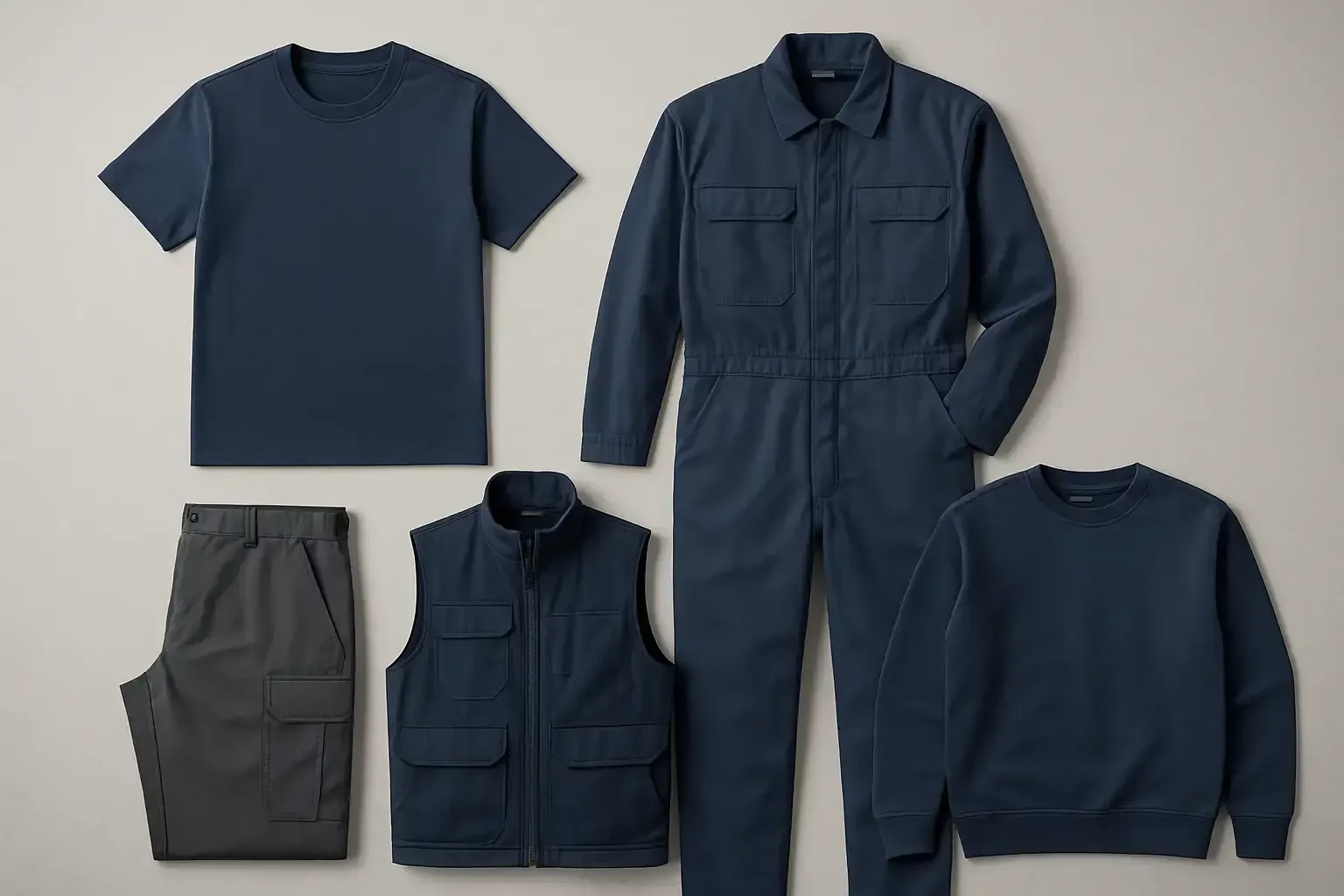
Workwear Models (Category Guide)
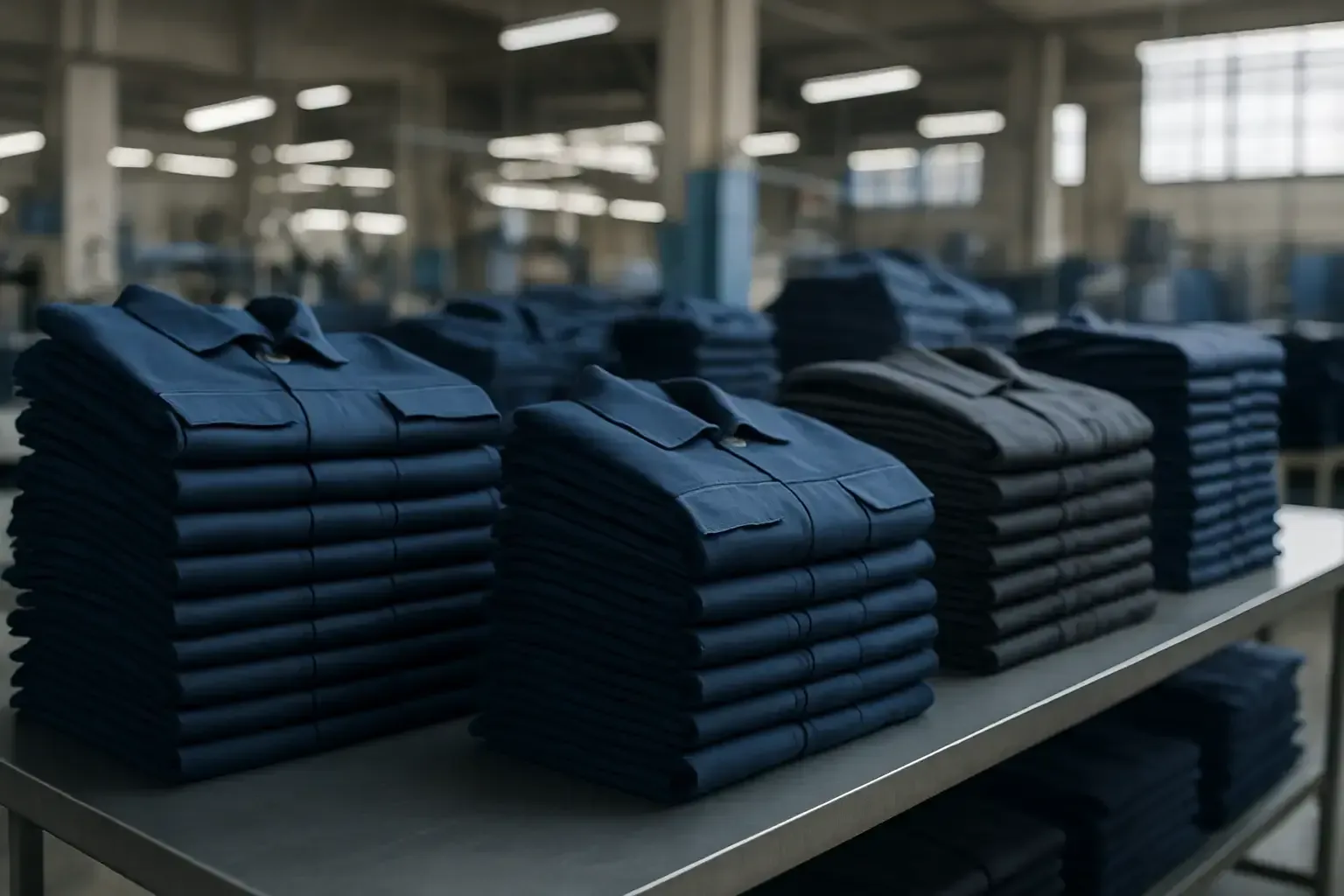
Workwear models: T-shirts, trousers, coveralls, gilets and sweatshirts. A guide to choosing by use, fabric and weight. Get a quote for logo production.
 Workwear Guides
Bulk Logo Workwear Production (Min. 100)
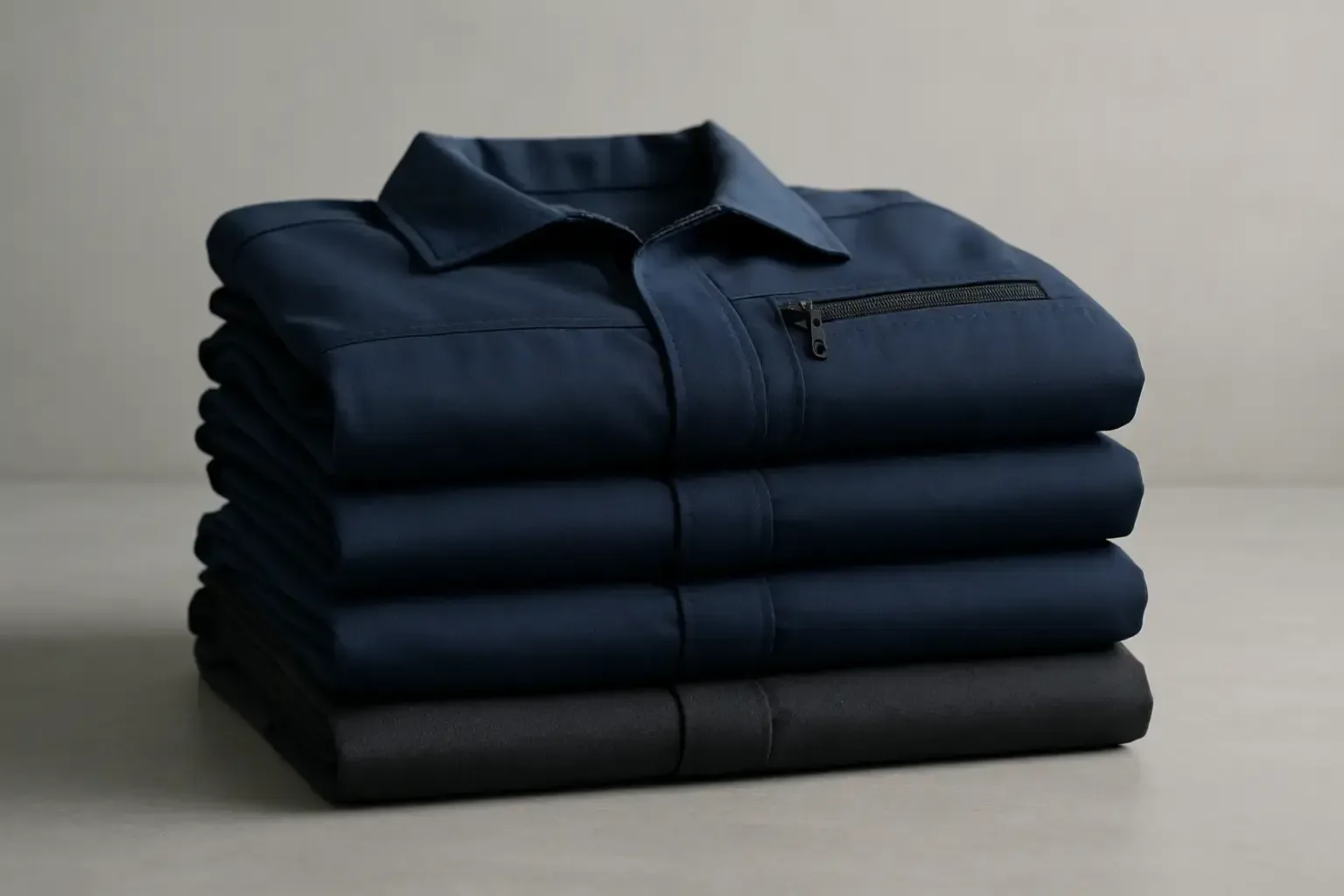
Bulk logo workwear and work clothing manufacturing from 100 pieces. Sampling, fabric, production and a 15-working-day delivery process. Get a quote.
 Workwear Guides
Workwear Prices and Cost Guide
Workwear prices vary with fabric, weight, printing and quantity. Learn the logic of tiered costs and get a net price quote for your project.